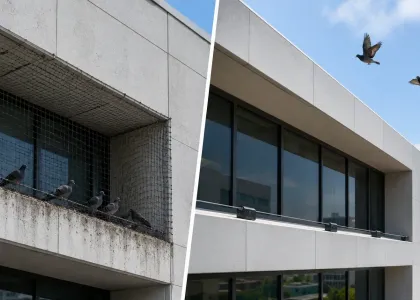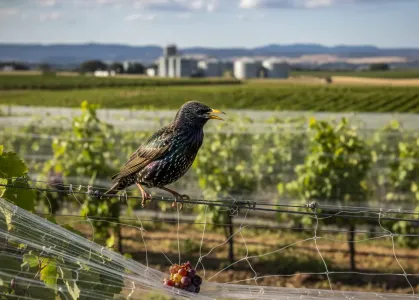
Bird problems rarely begin as full infestations. They start with a few test landings. Over time, those tests turn into routines. Routines turn into roosting. Roosting becomes territory.
Understanding how birds establish long-term territories on structures helps facilities intervene early and prevent multi-year nesting cycles.
Territory Begins With Evaluation
Birds Test Structures for Stability
When birds approach a building, they assess:
- Height
- Shelter from wind
- Surface stability
- Nearby food sources
If landing feels safe and undisturbed, they return.
Low Disturbance Signals Opportunity
Structures with limited daily activity quickly become attractive. Quiet rooftops, garages, towers, and industrial sites provide ideal testing environments.
Repetition Builds Familiarity
Safe Landings Reinforce Behavior
Each successful perch lowers perceived risk. Birds begin landing at the same time of day and in the same zones.
Droppings Mark the Site
Accumulated droppings often signal territory to other birds. This increases activity density over time.
Roosting Transitions Into Nesting
Shelter Determines Permanence
Once birds identify protected corners, beams, or equipment clusters, they begin bringing nesting material.
Nesting Strengthens Site Attachment
Nesting increases commitment to the structure. Birds defend and repeatedly return to established locations.
Multi-Season Occupation Creates Long-Term Territory
Birds Remember Productive Sites

Birds have strong spatial memory. If a structure provides safety and shelter one season, they return the next.
Generational Continuity
Young birds raised on a structure often remain nearby. Territory expands from seasonal use to multi-year occupation.
Why Territory Is Hard to Reverse
Comfort Replaces Caution
Once birds feel secure, deterrent-free areas no longer trigger hesitation.
Gaps Encourage Retesting
If deterrent systems weaken even briefly, birds reclaim preferred zones quickly.
Early Intervention Prevents Long-Term Establishment
Disrupt Initial Landing Success
Preventing repeated safe perching stops territory from forming.
Maintain Consistent Coverage
Consistency prevents birds from transitioning from roosting to nesting.
Territory Forms Slowly but Solidifies Quickly
Birds establish long-term roosting territories through repetition, comfort, and predictable safety. Once territory forms, removal becomes more difficult and costly. The key is stopping the cycle early and maintaining deterrence consistently across all high-risk zones.
Symterra Pulse supports long-term prevention by providing real-time visibility into deterrent system performance. It helps facilities detect weak zones before birds reestablish territory. With verified, uninterrupted deterrence, structures remain unattractive for long-term occupation.