
Symterra Bird Deterrent Systems for Utility, Signal, and Power Transmission Towers
Birds can create significant challenges for utility, signal, and power transmission towers, from equipment damage and efficiency reduction to increased maintenance costs and health hazards.
Symterra, formerly known as FlockOff, provides advanced bird deterrent systems designed to address these issues. Discover how Symterra can help your infrastructure overcome bird-related challenges while ensuring the safety of our feathered friends.
Crossarms and Horizontal Beams
Why birds target this
-
Flat, elevated perching surfaces
-
Clear visibility in all directions
-
Safe distance from ground threats
Why temporary fixes fail
-
Spikes loosen or shift over time
-
Long spans leave untreated gaps
-
Birds relocate a few feet and continue roosting
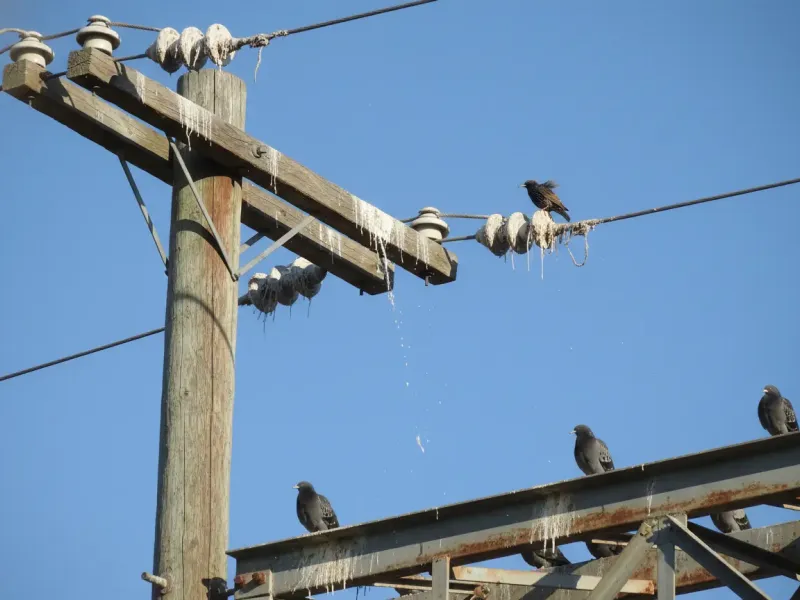

Insulators and Hardware Assemblies
Why birds target this
-
Elevated components near conductors
-
Sheltered contact points
-
Minimal human interference
Why temporary fixes fail
-
Physical deterrents interfere with equipment
-
Maintenance access becomes restricted
-
Birds move to adjacent hardware
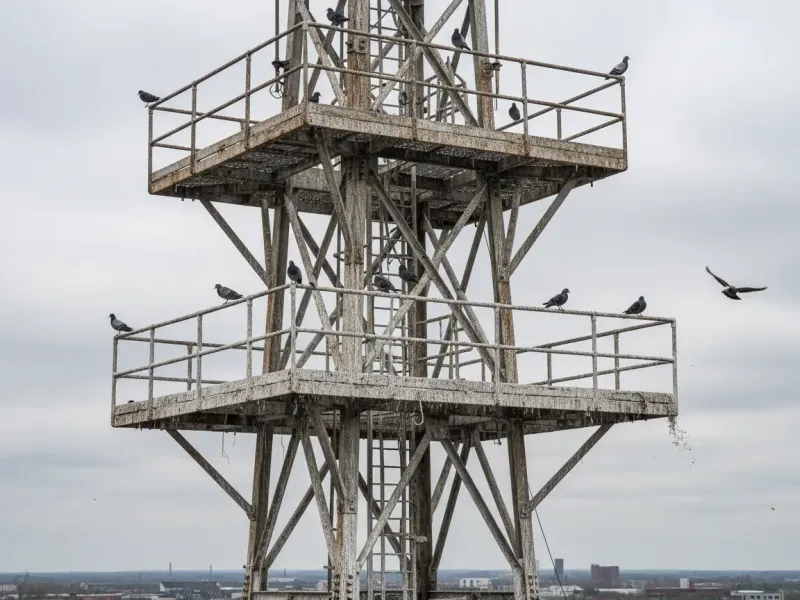
Tower Platforms and Maintenance Ledges
Why birds target this
-
Built-in resting surfaces
-
Protection from wind at height
-
Low disturbance between service visits
Why temporary fixes fail
-
Netting degrades in harsh weather
-
Covers interfere with inspections
-
Birds return during idle periods
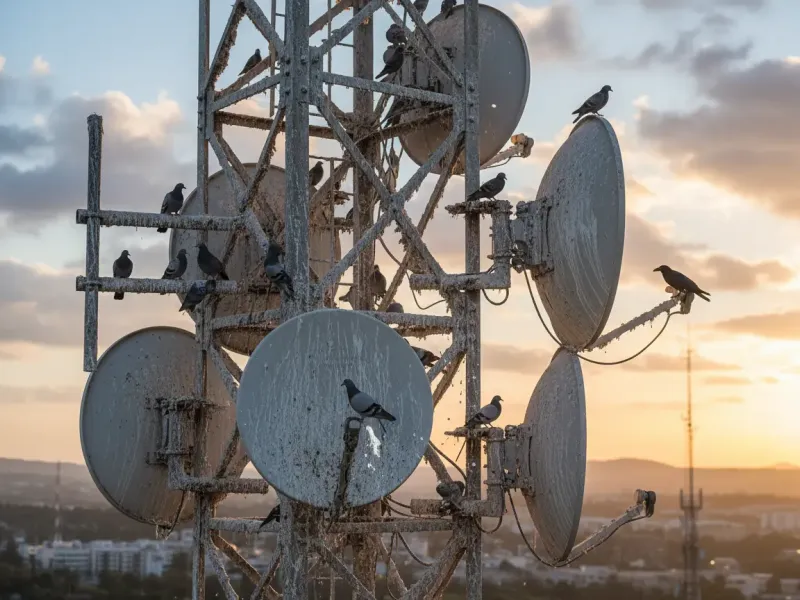
Signal Antennas, Sensors, and Communication Arrays
Why birds target this
-
High elevation provides security
-
Flat mounts allow easy landing
-
Warm equipment attracts roosting
Why temporary fixes fail
-
Spikes obstruct servicing
-
Covers impact signal performance
-
Birds shift to nearby mounts
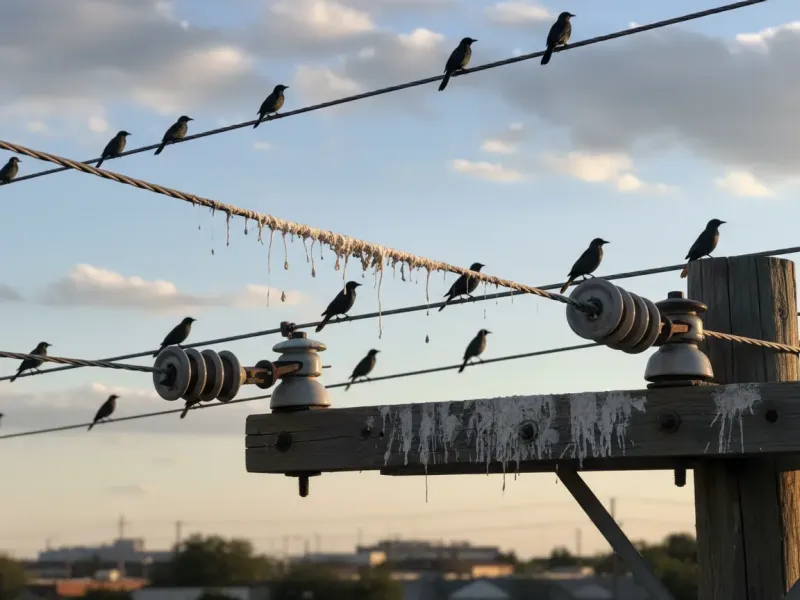
Power Lines and Conductor Attachment Points
Why birds target this
-
Linear perching paths
-
Wide coverage of territory
-
Easy movement between structures
Why temporary fixes fail
-
Line-based deterrents wear quickly
-
Birds adapt to spacing
-
Activity shifts along the line
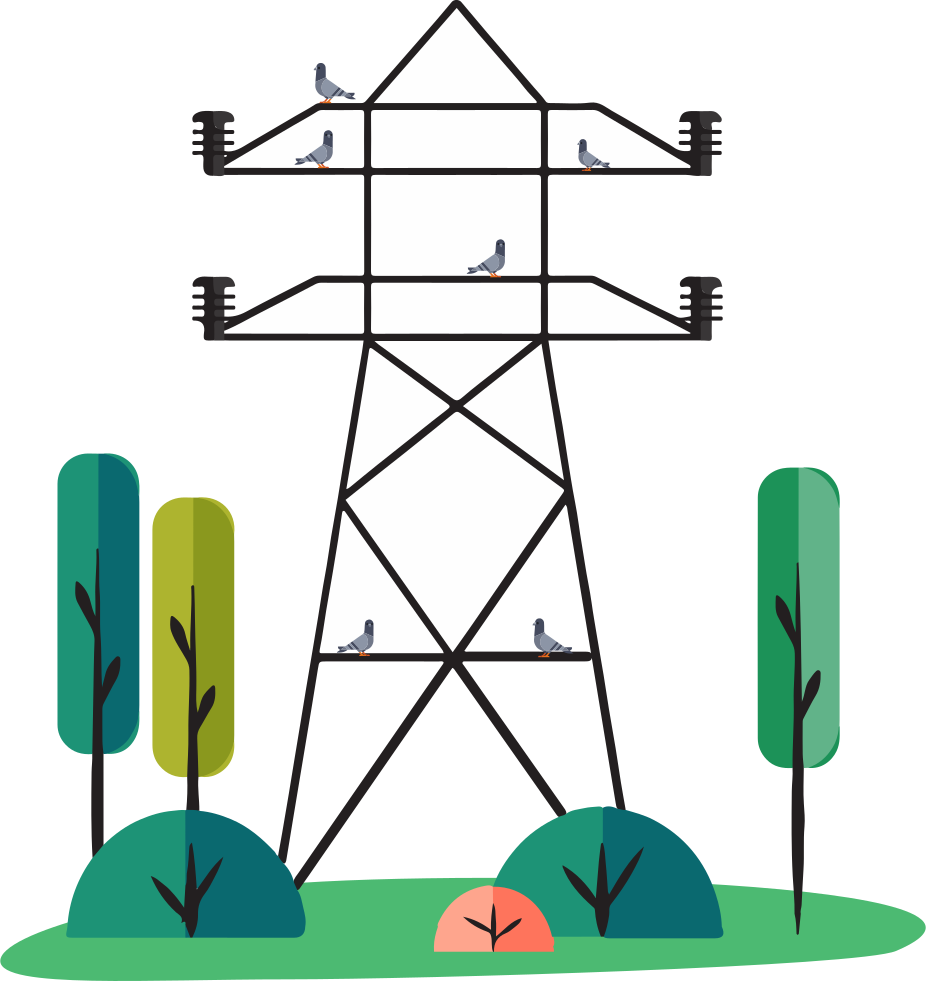
Bird perching on utility and signal towers can lead to equipment damage and operational inefficiencies. Symterra bird deterrent systems use electromagnetic waves to create an inhospitable environment for birds. This non-lethal method effectively deters birds from landing and perching on towers and related structures, helping maintain the functionality and reliability of your infrastructure.
-
 Protects equipment functionality
 -
Reduces Maintenance Costs
-
Prevents damage to critical infrastructure
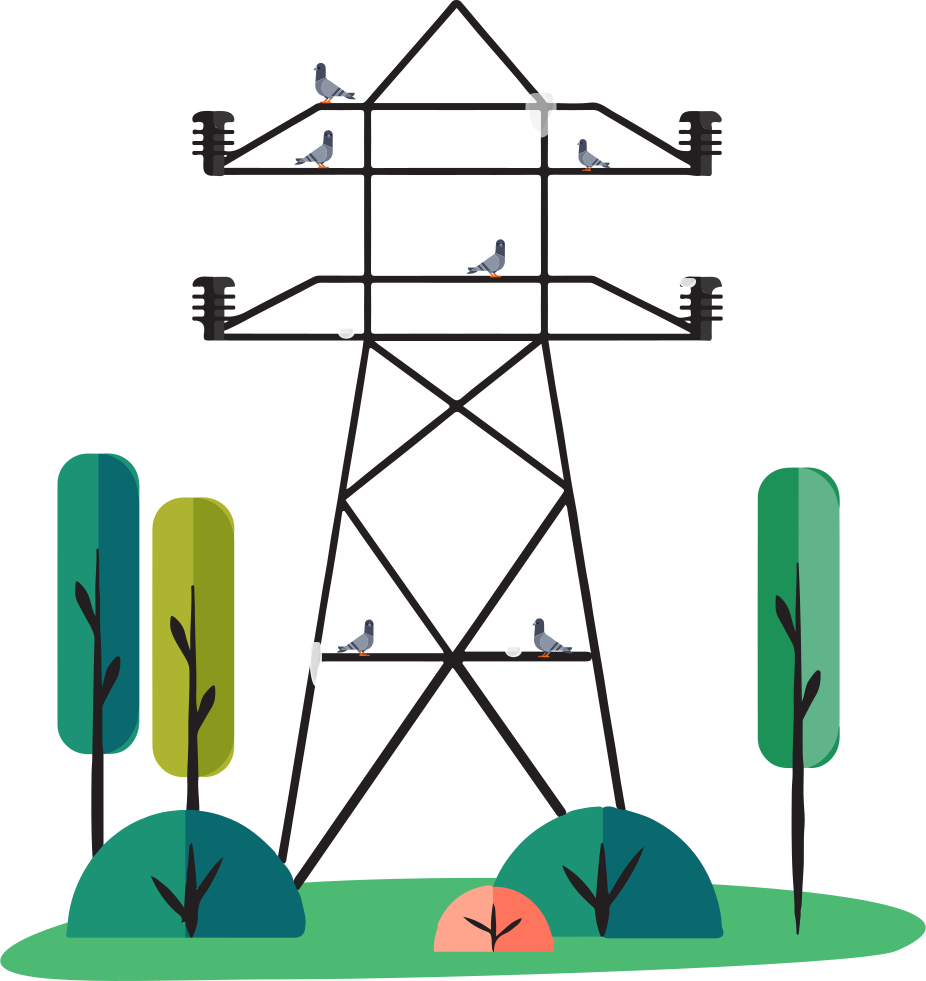
Bird droppings are not only unsightly but also pose serious health risks due to the bacteria and fungi they contain. In utility and power transmission settings, droppings can contaminate equipment, create slip-and-fall hazards, and increase cleaning costs. Symterra systems significantly reduce the presence of birds, minimizing the accumulation of droppings. This ensures cleaner, safer, and more hygienic environments for workers and equipment.
-
Maintains cleanliness and hygiene
-
Reduces health risks and contamination
-
Lowers cleaning and maintenance costs
Bird collisions with utility and signal towers can result in injury or death for the birds and damage to the property. Symterra systems emit signals that alert birds to these obstacles, helping them navigate safely around the structures. This reduces the risk of collisions, preserving both the bird population and the integrity of the towers.
-
Protects bird populations
-
Reduces property damage
-
Enhances tower safety
-
Towers present multiple perching zones
-
Blocking one component shifts pressure elsewhere
-
Physical deterrents complicate maintenance and safety
-
Weather accelerates degradation
-
Ongoing labor costs continue
Why Choose Symterra?
Symterra bird deterrent systems offer a robust solution for utility, signal, and power transmission towers facing challenges with bird perching, droppings, debris, and collisions. By leveraging cutting-edge technology to create an inhospitable environment for birds, Symterra ensures your infrastructure remains clean, safe, and operational.
This innovative approach not only addresses immediate concerns but also provides long-term benefits, making Symterra an essential investment for utility managers and operators seeking to protect their assets and enhance the operational environment.

Comprehensive Solution
Addresses perching, droppings, debris, and collisions.
Long-Term Benefits
Reduces maintenance costs and protects infrastructure.
Advanced Technology
Utilizes electromagnetic waves.
Non-Lethal
Bird deterrent method designed to discourage birds without harming them.