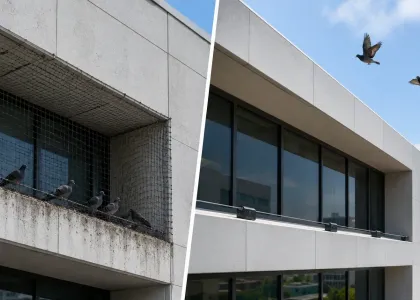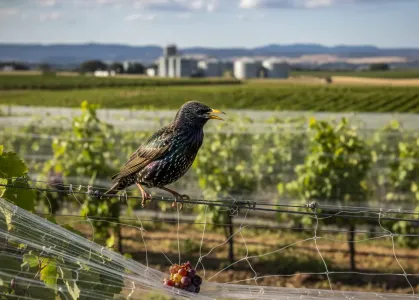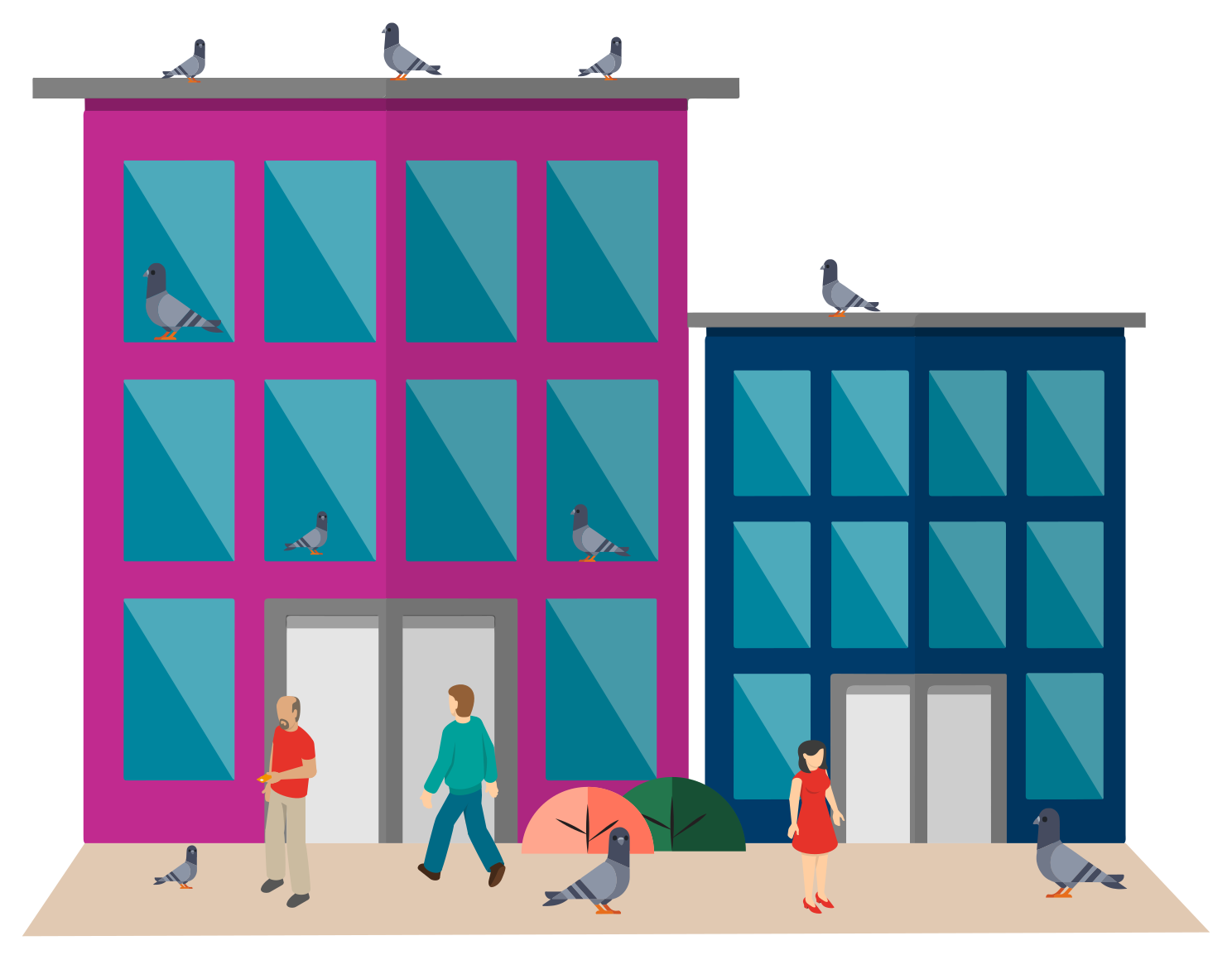
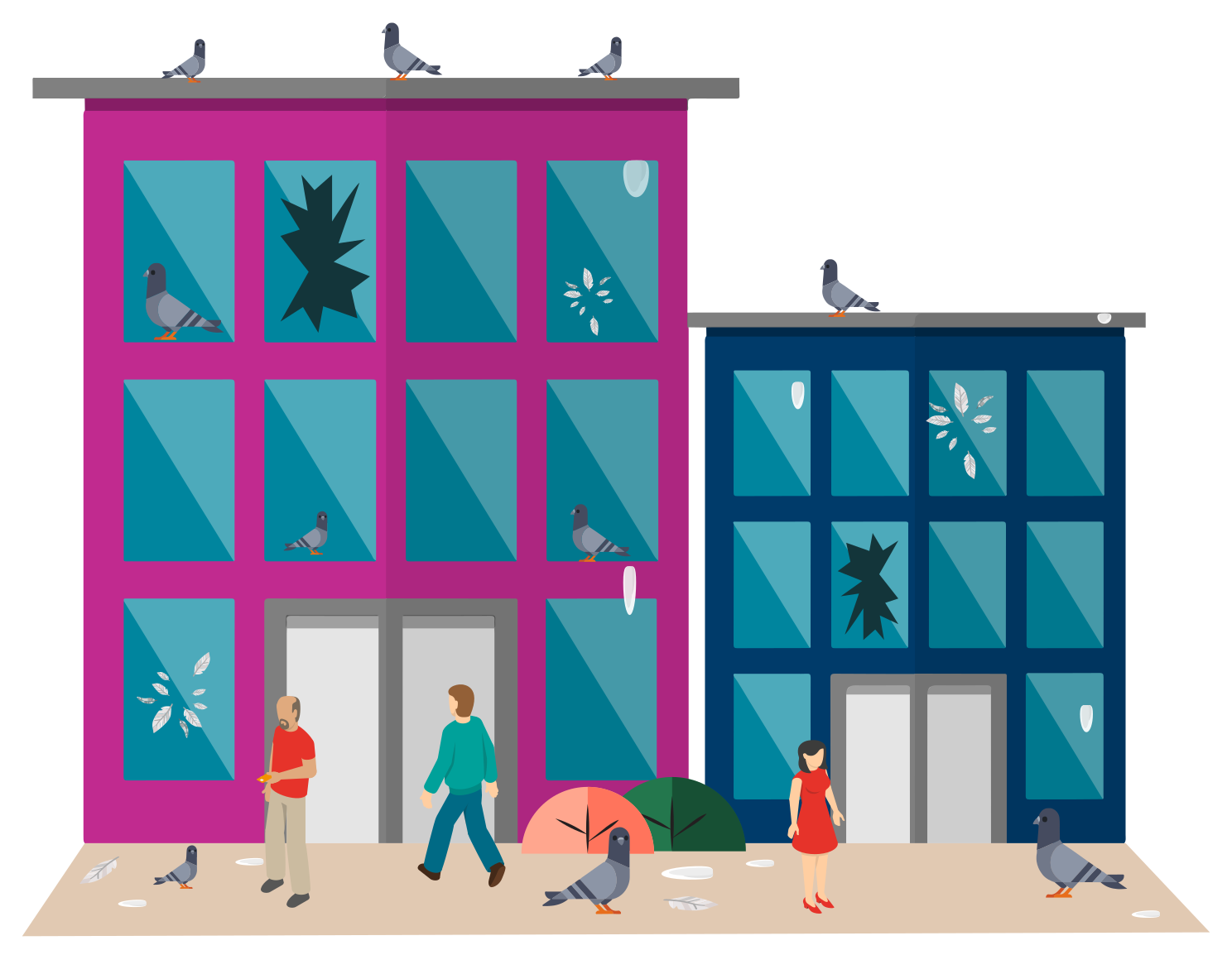
Recurring bird problems can quietly drain a commercial property’s budget through cleanup, repairs, safety issues, downtime, and customer complaints. A stronger ROI strategy focuses on preventing repeated bird activity before it turns into a maintenance cycle.
Protecting commercial and industrial properties from bird-related damage is more than just a maintenance issue, it’s an essential part of safeguarding your bottom line. Birds can cause significant harm to buildings and infrastructure, leading to increased maintenance costs, safety hazards, and even reputational damage for your company. This is where Symterra Pulse steps in as a game-changer.
Businesses today face many challenges that can impact their bottom line, from operational costs to unexpected maintenance expenses. One of the most overlooked threats to a company’s finances is bird-related damage. Birds like pigeons, seagulls, and sparrows can cause significant harm to commercial and industrial properties, resulting in expensive repairs, safety hazards, and lost productivity.
Fortunately, Symterra Pulse offers a sustainable, non-lethal bird control solution that protects your property and helps safeguard your bottom line.
Quick Answer
How does bird control protect your bottom line?
Bird control protects your bottom line by reducing recurring cleanup, surface damage, clogged drains, equipment contamination, slip hazards, liability exposure, and operational downtime. For commercial and industrial properties, non-lethal behavior-based deterrence helps prevent birds from returning to the areas that create repeated maintenance costs.
| Bird-related cost driver | How it affects the bottom line |
|---|---|
| Repeated droppings cleanup | Increases janitorial, maintenance, and contractor costs. |
| Corrosion from droppings | Damages roofs, ledges, signage, coatings, concrete, and HVAC areas. |
| Nests and debris | Blocks drains, vents, equipment zones, and access points. |
| Slip hazards | Creates safety risks for employees, visitors, and contractors. |
| Equipment contamination | Can delay work around HVAC units, lighting, solar panels, signs, and loading areas. |
| Operational downtime | Slows service, inspections, cleaning, repairs, and facility access. |
| Reactive service calls | Turns bird control into a recurring expense instead of a prevention plan. |
| Reputation damage | Makes customer-facing spaces look poorly maintained. |
Cost Reduction Assessment
Reduce the Cost of Recurring Bird Damage
If bird activity is increasing cleanup, repair, safety, or downtime costs, Symterra can help assess your property and recommend a non-lethal bird control strategy built around long-term prevention.
Request a Cost Reduction AssessmentWhat Is Non-Lethal Bird Control and How Does It Work?
Eco-friendly bird control focuses on deterring birds without harming them or disrupting the surrounding environment. Instead of using traps, chemicals, or harmful barriers, modern systems rely on behavior-based technology that creates spaces birds naturally avoid. These solutions reduce nesting, droppings, and contamination while maintaining compliance with environmental standards. Sustainable systems also support long-term cost control by reducing the need for repeated cleanup, repairs, and reactive maintenance. For commercial properties, eco-friendly bird control aligns with safety goals, operational efficiency, and environmental responsibility
For more detail on behavior-based prevention, review how Symterra’s bird deterrent system works.
What Are Sustainable Pigeon Control Methods for Historic and Heritage Buildings?
Sustainable pigeon control methods for historic and heritage buildings focus on protecting the structure without altering or damaging original materials. Non-invasive, eco-friendly systems use behavior-based deterrence such as electromagnetic signals or low-profile electrical systems that prevent birds from landing without physical obstruction. These methods avoid drilling, heavy hardware, or visible barriers that can affect the building’s appearance or violate preservation standards. By preventing nesting and droppings early, they reduce long-term cleaning, corrosion, and restoration costs while maintaining compliance with environmental and heritage regulations. This approach protects both the building’s integrity and its long-term operational value
What is Symterra Pulse?
Symterra Pulse is an innovative bird control system designed for commercial , industrial , and other applications. It uses advanced signal technology to create a bird-free zone that birds instinctively avoid. The system is non-lethal, eco-friendly, and requires minimal maintenance, making it an ideal solution for businesses seeking long-term protection from bird-related damage without harming wildlife. Learn more about Symterra Pulse and how it supports long-term commercial bird deterrence.
How Symterra Pulse Protects Your Bottom Line
1. Cut Repair and Maintenance Costs
Birds can cause costly damage to buildings, infrastructure, and outdoor equipment. Their droppings are corrosive, leading to structural deterioration of roofs, ledges, signage, and HVAC systems. The buildup of bird droppings also increases the frequency of cleaning and maintenance, adding unnecessary strain to your budget.
By installing Symterra Pulse, companies can drastically reduce the need for frequent repairs and cleaning. With birds deterred from nesting and perching, your property stays cleaner, longer, with fewer maintenance costs.
2. Prevent Operational Disruptions
Bird infestations can result in operational delays, particularly in industries that rely on outdoor spaces such as warehouses, loading docks, and retail centers. Birds nesting near entrances, exits, or loading bays can disrupt daily activities and reduce efficiency. The presence of birds can also cause contamination in manufacturing settings, leading to expensive shutdowns.
Symterra Pulse eliminates these disruptions by keeping birds away from key operational areas, allowing your business to maintain smooth operations and minimize costly downtime. For large facilities, review Symterra’s approach to industrial and warehouse bird control.
3. Reduce Safety Risks and Liability
Bird droppings create slippery surfaces that can lead to slip-and-fall accidents, posing a liability risk for businesses. Additionally, bird infestations can spread diseases like histoplasmosis and salmonella, which may compromise the health and safety of employees and customers. If an incident occurs on your property due to bird-related issues, your company could face lawsuits and high insurance claims.
Commercial property teams can also review Symterra’s solutions for commercial and retail facilities where bird activity can affect customer areas, walkways, rooftops, and brand appearance.
With Symterra Pulse, you can mitigate these risks and create a safer environment for everyone. By preventing birds from congregating on your property, you reduce the chances of accidents and health issues, ultimately saving your company from liability costs.
4. Support ESG and Sustainability Goals
In an era where sustainability is a top priority for businesses, environmentally friendly solutions help protect your brand’s reputation. Symterra Pulse helps companies meet their Environmental, Social, and Governance goals by offering a sustainable, non-lethal bird control system. Unlike traditional bird deterrent methods, Symterra Pulse does not harm birds or disrupt the ecosystem, making it a strong choice for businesses focused on responsible practices.
Investing in Symterra Pulse allows your company to demonstrate its commitment to sustainability while protecting your assets. This not only saves you money on bird control but also enhances your brand’s standing with environmentally conscious customers and stakeholders.
Hidden Bird Damage Costs Businesses Often Miss
Bird damage often costs more than the first cleanup invoice. Facilities may also deal with repeated inspections, blocked drains, rooftop cleaning, surface repairs, odor complaints, equipment access delays, and safety documentation. These hidden costs can build up across multiple properties or recurring maintenance cycles.
For commercial buildings, warehouses, retail centers, industrial sites, signs, and outdoor equipment areas, the bigger problem is repetition. If birds keep returning, the same costs come back every month, quarter, or season. Long-term bird control helps protect the bottom line by reducing the cycle before it becomes part of the operating budget.
Prevention Costs Less Than Repeated Bird Cleanup
Reactive cleanup only addresses the visible mess after birds have already created damage, safety risks, or contamination. It may make the property look better temporarily, but it does not stop birds from returning to the same ledges, beams, signs, rooftops, loading areas, or equipment zones.
Prevention is more cost-effective because it reduces bird activity at the source. A behavior-based deterrent strategy helps make preferred landing and roosting areas consistently unsuitable, which reduces repeat cleanup, repairs, service calls, and downtime.
Why Symterra Pulse Is a Smart Long-Term Investment
With Symterra Pulse, businesses can save money and protect their bottom line in several key ways:
- Reduced Maintenance and Repair Costs: Fewer repairs and cleanings due to bird-related damage.
- Prevention of Operational Downtime: No disruptions from birds interfering with daily activities.
- Minimized Liability and Safety Risks: A safer, cleaner environment for employees and customers.
- Alignment with Sustainability Goals: An eco-friendly, non-lethal solution that supports ESG standards.
You can also estimate your bird control project before recurring cleanup and repair costs continue to build.
Protect Your Bottom Line with Symterra Pulse
Symterra Pulse offers businesses a cost-effective, long-term solution for managing bird-related problems. By reducing maintenance costs, preventing operational disruptions, minimizing liability risks, and supporting sustainability goals, Symterra Pulse helps companies protect their bottom line while using responsible bird control practices.
Facilities with recurring bird activity across commercial and retail properties, industrial and warehouse facilities, and signs and billboards often benefit from a site-specific prevention plan instead of repeated cleanup.
To learn more about how Symterra Pulse can benefit your business, visit www.gosymterra.com/symterra-pulse today and schedule a demo.
Long-Term Cost Control
Protect Your Bottom Line From Recurring Bird Costs
Bird damage becomes expensive when cleanup, repairs, liability risks, and downtime repeat. Symterra helps commercial properties reduce recurring bird activity with a non-lethal, behavior-based deterrent system.
Request a Site RecommendationFrequently Asked Questions
How much does bird damage cost a commercial property?
Bird damage costs vary depending on the size of the property, the affected areas, and how often birds return. Common expenses include repeated cleanup, roof repairs, drain clearing, signage cleaning, HVAC maintenance, customer complaints, and safety-related service calls.
Is bird prevention cheaper than repeated cleanup?
In many commercial settings, bird prevention provides stronger long-term value than repeated cleanup. Cleanup removes droppings, nests, and debris, but it does not stop birds from returning. Behavior-based prevention helps reduce the recurring cycle that causes repeat maintenance costs.
What areas of a facility are most vulnerable to bird damage?
The most vulnerable areas are roofs, ledges, signs, billboards, loading docks, parking structures, HVAC zones, warehouse rafters, storefronts, customer walkways, and drainage areas. These spaces often provide birds with shelter, height, and repeated landing opportunities.
How does behavior-based bird control reduce maintenance costs?
Behavior-based bird control reduces maintenance costs by discouraging birds from repeatedly landing, roosting, and nesting in high-risk areas. When birds stop returning to the same places, facilities can reduce repeated cleanup, repair needs, inspections, and customer-facing maintenance problems.
Why do birds keep coming back after cleanup?
Birds keep coming back after cleanup because the site still offers familiar landing, roosting, or nesting conditions. If ledges, rooflines, signage, loading docks, or parking areas still feel safe, birds may return even after droppings and nests are removed.
When should a facility manager request a bird control assessment?
A facility manager should request a bird control assessment when bird activity keeps returning after cleanup, when droppings affect customer or employee areas, or when birds are causing problems around roofs, signs, drains, HVAC equipment, loading docks, warehouses, or parking areas.