
Birds can create significant challenges for sports venues, concert halls, and stadiums, from equipment damage and contamination to increased maintenance costs and health hazards. Symterra, formerly known as FlockOff, provides advanced bird deterrent systems designed to address these issues. Discover how Symterra can help your entertainment facilities overcome bird-related challenges while ensuring the safety of our feathered friends.
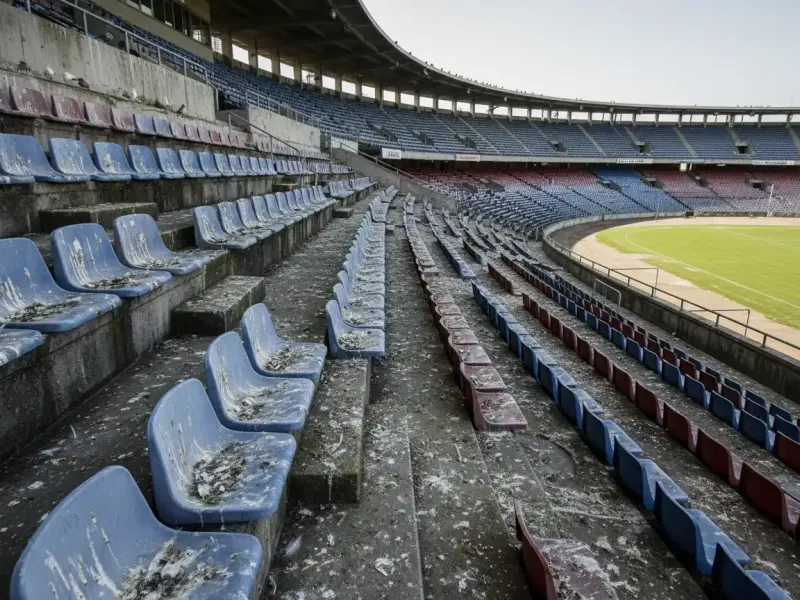
Stadium Seating and Grandstands
Why birds target this
-
Tiered seating provides repeated perching levels
-
Overhangs offer shelter from wind and rain
-
Minimal disturbance outside event hours
Why temporary fixes fail
-
Spikes interfere with seating use and safety
-
Visual deterrents lose effectiveness quickly
-
Birds relocate to adjacent rows or sections
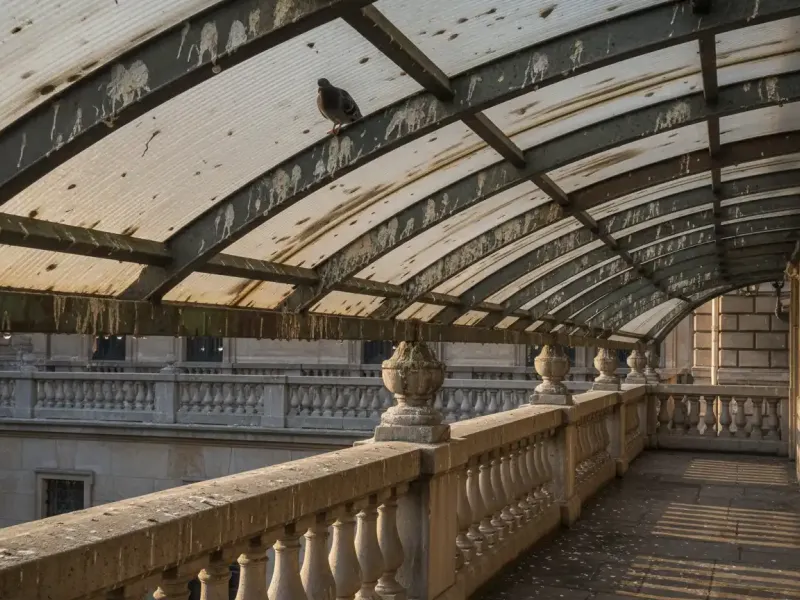
Roof Structures and Canopies
Why birds target this
-
Elevated vantage points for safety
-
Structural beams create sheltered roosting zones
-
Heat retention attracts resting birds
Why temporary fixes fail
-
Netting degrades and sags over time
-
Long spans create untreated gaps
-
Birds shift along the structure
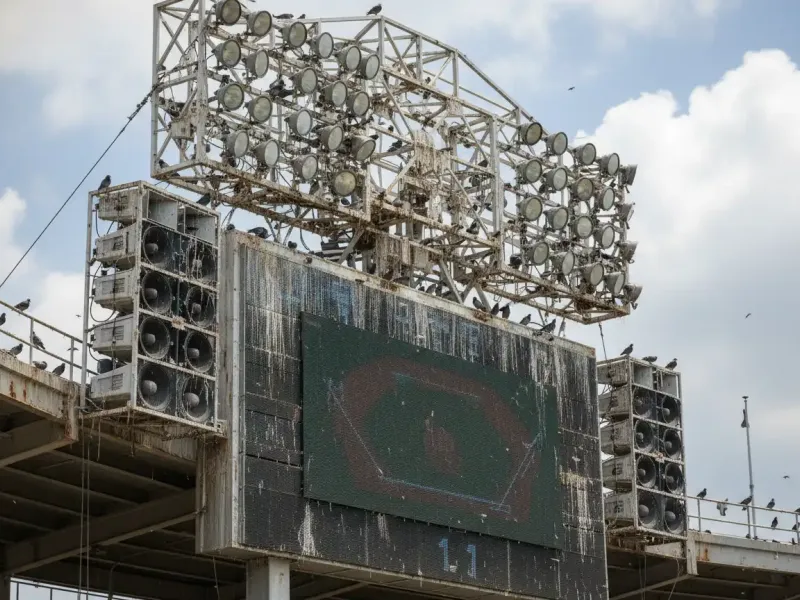
Lighting Rigs, Scoreboards, and Speaker Arrays
Why birds target this
-
High elevation with minimal human access
-
Flat mounts and brackets allow easy landing
-
Warm equipment attracts roosting
Why temporary fixes fail
-
Spikes complicate maintenance access
-
Covers interfere with equipment function
-
Birds move to nearby fixtures

Entryways, Concourse Overhangs, and Walkways
Why birds target this
-
Covered areas provide shelter
-
Food debris attracts repeat visits
-
Predictable traffic patterns
Why temporary fixes fail
-
Cleaning removes droppings, not birds
-
Sound deterrents disrupt guests and staff
-
Birds return during off-hours
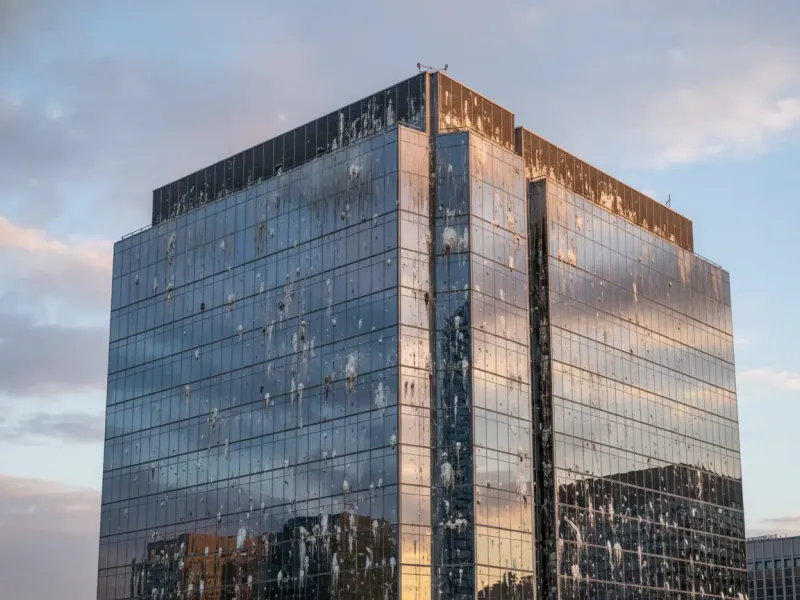
Glass Facades and Exterior Walls
Why birds target this
-
Reflective glass mimics open sky
-
Large uninterrupted surfaces confuse flight paths
-
Interior lighting attracts birds at night
Why temporary fixes fail
-
Decals and films fade or peel
-
Partial coverage leaves collision zones
-
Birds adapt and continue striking untreated areas
Bird perching on stadium seats, concert hall roofs, and sports venue structures can lead to equipment damage and operational inefficiencies. Symterra bird deterrent systems use electromagnetic waves to create an inhospitable environment for birds. This non-lethal method effectively deters birds from landing and perching on key areas, helping maintain the functionality and cleanliness of sports venues and entertainment facilities.
-
 Protects equipment functionality
 -
Reduces Maintenance Costs
-
Prevents damage to critical infrastructure
Bird droppings are not only unsightly but also pose serious health risks due to the bacteria and fungi they contain. In sports venues, concert halls, and stadiums, droppings can contaminate seating areas, create slip-and-fall hazards, and increase cleaning costs. Symterra systems significantly reduce the presence of birds, minimizing the accumulation of droppings. This ensures cleaner, safer, and more hygienic environments for attendees and staff.
-
Maintains cleanliness and hygiene
-
Reduces health risks and contamination
-
Lowers cleaning and maintenance costs
Bird collisions with large windows, glass facades, and lighting structures can result in injury or death for the birds and damage to the property. Symterra systems emit signals that alert birds to these obstacles, helping them navigate safely around the venue. This reduces the risk of collisions, preserving both the bird population and the integrity of the facility.
-
Protects bird populations
-
Reduces property damage
-
Enhances venue safety
-
Birds establish consistent roosting patterns
-
Blocking one area shifts activity elsewhere
-
Physical deterrents interfere with public safety
-
Large structures make full coverage impractical
-
Repeat labor and cleanup costs continue
Why Choose Symterra?
Symterra bird deterrent systems offer a robust solution for sports venues, concert halls, and stadiums facing challenges with bird perching, droppings, debris, and collisions. By leveraging cutting-edge technology to create an inhospitable environment for birds, Symterra ensures your facilities remain clean, safe, and operational.
This innovative approach not only addresses immediate concerns but also provides long-term benefits, making Symterra an essential investment for venue managers and operators seeking to protect their assets and enhance the experience for attendees.

Advanced Technology
Utilizes electromagnetic waves.
Non-Lethal
Bird deterrent method designed to discourage birds without harming them.
Comprehensive Solution
Addresses perching, droppings, debris, and collisions.
Long-Term Benefits
Reduces maintenance costs and protects infrastructure.