
Bird Deterrent Systems for Agribusiness Operations
Bird activity creates real operational risk in agribusiness. Crop loss, contaminated produce, regulatory exposure, and rising cleanup costs add up fast. If birds are feeding, nesting, or perching anywhere near your fields or facilities, your margins are already taking a hit.
Symterra delivers non-lethal bird deterrent systems designed specifically for agricultural environments. The system changes how birds behave around your site without harming wildlife or disrupting daily operations. The system changes how birds behave around your site without harming wildlife or disrupting daily operations.
The goal is simple. Protect yield. Protect compliance. Protect your investment.
Crop Fields and Growing Areas
Why birds target this
-
Direct access to food sources
-
Open visibility for predator detection
-
Repeated seasonal feeding patterns
Why temporary fixes fail
-
Scare devices lose effectiveness quickly
-
Netting limits crop access and maintenance
-
Birds relocate short distances and return
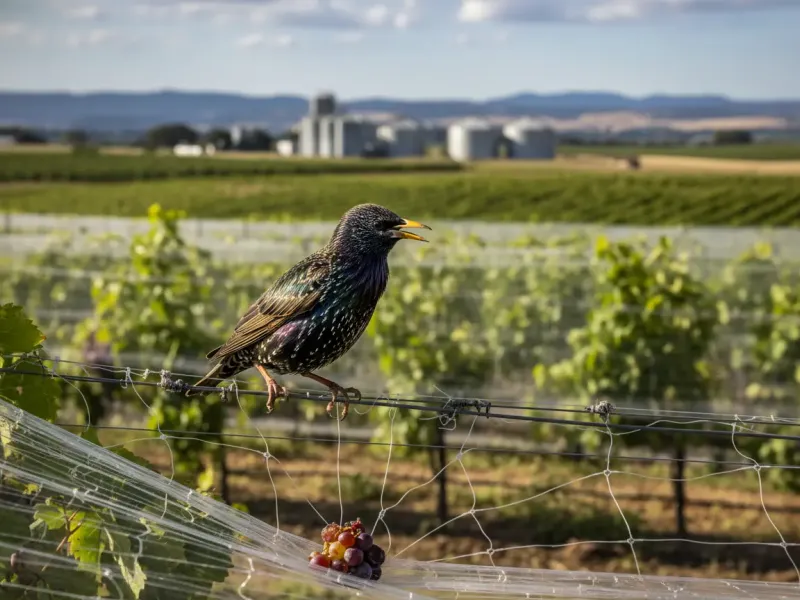

Orchards and Vineyards
Why birds target this
-
Elevated perching in trees and trellises
-
High-sugar fruit attracts repeated feeding
-
Dense foliage provides cover
Why temporary fixes fail
-
Netting tears and sags over time
-
Sound deterrents disrupt workers and neighbors
-
Birds adapt to predictable deterrent patterns
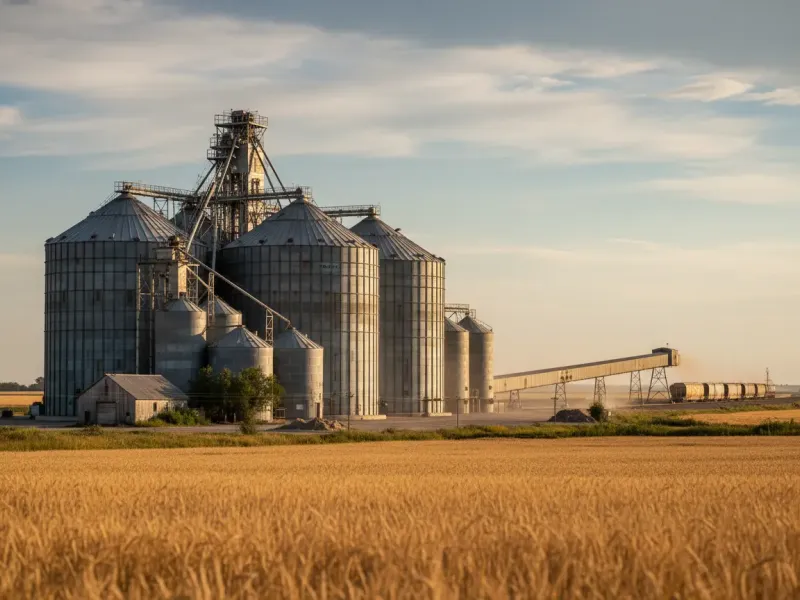
Storage Facilities and Outbuildings
Why birds target this
-
Consistent food availability
-
Elevated perching surfaces
-
Limited human disturbance
Why temporary fixes fail
-
Spikes and wires interfere with access
-
Openings remain around conveyors and vents
-
Birds shift to adjacent structures
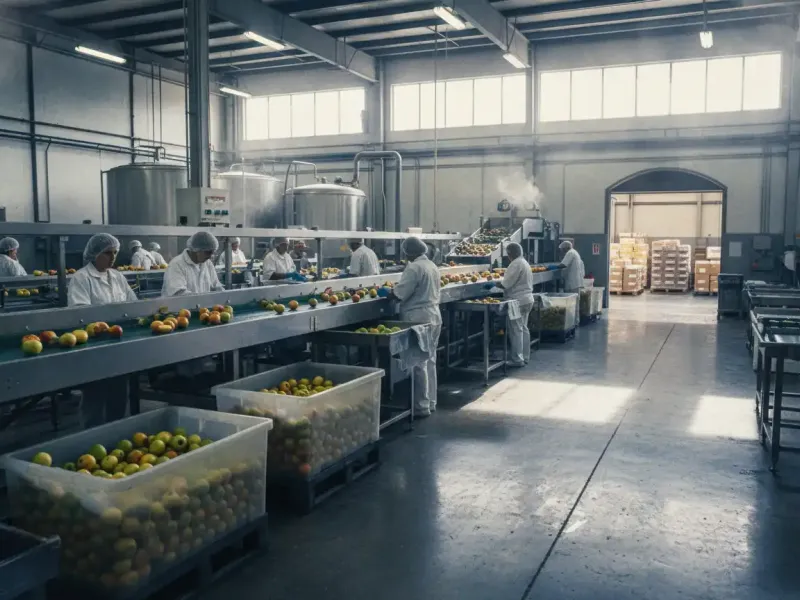
Packing Houses and Processing Areas
Why birds target this
-
Food residue and moisture
-
Covered loading and staging zones
-
Regular delivery schedules
Why temporary fixes fail
-
Visual deterrents lose impact
-
Cleaning treats symptoms, not behavior
-
Birds return during low-activity periods
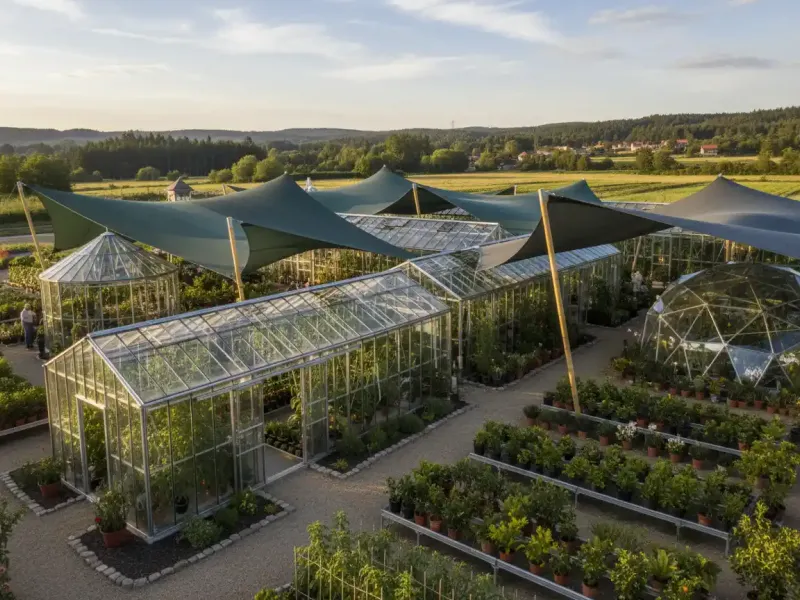
Greenhouses and Shade Structures
Why birds target this
-
Warm interior environments
-
Structural framing for perching
-
Clear panels confuse flight paths
Why temporary fixes fail
-
Films and decals degrade
-
Partial coverage leaves collision zones
-
Birds continue to strike untreated areas
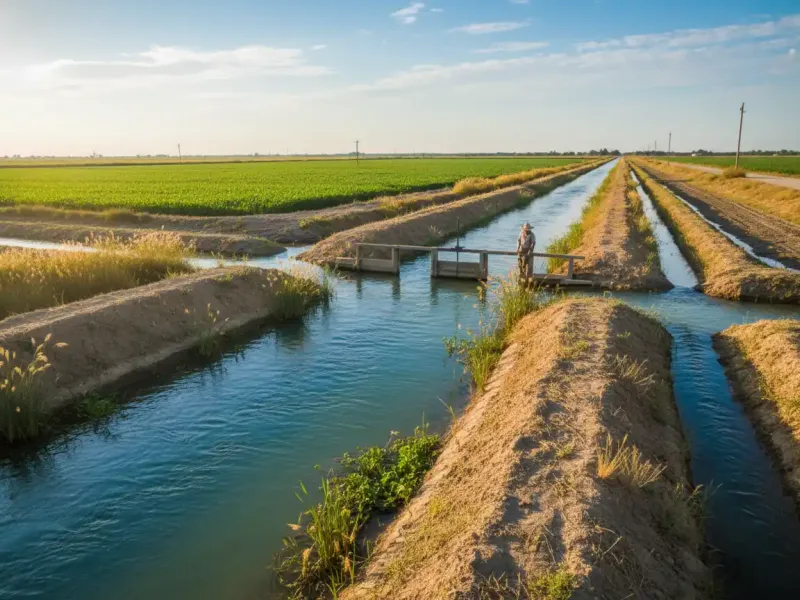
Water Sources and Irrigation Zones
Why birds target this
-
Standing water attracts feeding and bathing
-
Insect activity draws birds in
-
Shade and cover nearby
Why temporary fixes fail
-
Barriers restrict equipment access
-
Birds shift to nearby lines or tanks
-
Water availability keeps attracting return visits
Birds feeding on crops reduce yields and compromise product quality. Once birds establish a routine, losses compound season after season.
Symterra systems use controlled electromagnetic signals to make protected areas uncomfortable for birds to remain in. Birds avoid the space entirely, preventing feeding and repeat visits without physical barriers or lethal methods.
-
 Increases crop yields
 -
Protects agricultural investments
-
Reduces economic losses from bird damage
Bird droppings are more than a nuisance. They introduce bacteria, contaminate produce, and increase the risk of failed inspections. Cleaning crews spend time reacting instead of preventing.
By reducing bird presence at the source, Symterra systems minimize droppings across fields, packing areas, and storage zones. Cleaner environments mean fewer interruptions and lower compliance risk.
-
Maintains cleanliness and visual clarity
-
Reduces health risks and contamination
-
Lowers cleaning and maintenance costs
Bird collisions with greenhouses, storage buildings, and agricultural infrastructure cause damage and unnecessary wildlife harm. These incidents also signal poor environmental control around the facility.
Symterra emits signals that alert birds before they approach protected structures. Birds redirect naturally, avoiding impact while keeping buildings and equipment intact.
-
Protects bird populations
-
Reduces property damage
-
Enhances installation safety
-
Birds establish seasonal feeding routes
-
Blocking one area shifts pressure elsewhere
-
Physical deterrents degrade outdoors
-
Repeated labor costs exceed prevention
-
Compliance risk remains unresolved
-
If temporary deterrents keep failing across your farm, orchard, storage building, or packing area, review The Path to Protection to see how Symterra builds a site-specific prevention plan.

Advanced Technology
Utilizes electromagnetic waves.
Non-Lethal
Bird deterrent method designed to discourage birds without harming them.
Comprehensive Solution
Addresses perching, droppings, debris, and collisions.
Long-Term Benefits
Reduces maintenance costs and protects infrastructure.
When Should Agribusiness Sites Request a Bird Control Review?
Agribusiness sites should request a bird control review when birds return to the same crop zones, rooftops, storage buildings, irrigation areas, or packing spaces. Early review helps prevent seasonal bird pressure from becoming a recurring operational cost.
- Birds are feeding on crops or fruit before harvest.
- Droppings appear near packing, storage, or loading areas.
- Nests are forming around equipment, vents, beams, or rooflines.
- Cleaning and maintenance teams keep dealing with the same bird activity.
- Temporary scare devices no longer move birds away.
You can also use the Symterra Cost Calculator to compare recurring cleanup, maintenance, crop loss, and prevention costs before requesting a full site recommendation.
Frequently Asked Question
Q: Is Symterra safe to use around crops and produce?
A: Yes. No chemicals, no pesticides, no residue. No withdrawal period. Safe in active growing areas, orchards, vineyards, and packing facilities.
Q: Will a bird deterrent affect my organic farm certification?
A: No. Symterra uses electromagnetic technology only. No chemical inputs of any kind. Compatible with organic certification standards.
Q: What bird species cause the most damage to vineyards?
A: Starlings, robins, and house finches are the worst offenders. Cedar waxwings, mockingbirds, and crows also cause heavy harvest losses. Symterra deters all pest species without harming beneficial birds.
Q: How does Symterra compare to bird netting for orchards?
A: Netting requires heavy installation labor, limits orchard access, tears seasonally, and must be removed and replaced. Symterra installs once and does not interfere with pruning, harvesting, or normal operations.
Q: Does Symterra work for pigeon control in grain or poultry facilities?
A: Yes. Effective in grain storage, feed processing, and livestock buildings. No interference with ventilation, feed systems, or poultry operations.