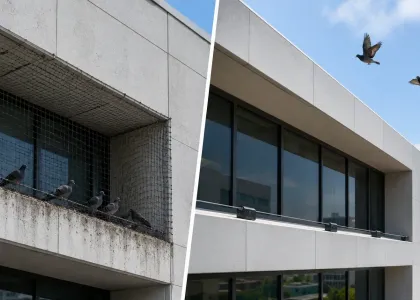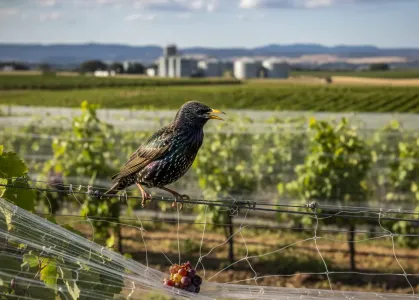
Some infrastructure assets are accessed more often than others. Towers, rooftops, loading docks, parking structures, mechanical platforms, and service corridors all require frequent technician entry. These high-access areas are essential to operations, but they are also highly vulnerable to bird activity.
When birds establish roosting or nesting in these zones, the impact goes beyond maintenance. It directly affects safety, efficiency, and reliability. Long-term bird control is critical to keeping these access points safe and operational.
High-Access Areas Attract Both Birds and Technicians
Elevated and Sheltered Locations
High-access infrastructure often includes beams, ledges, and equipment clusters that provide shelter and stability for birds.
Repeated Human Interaction
Technicians regularly access these areas for inspections, repairs, and upgrades. This overlap increases the impact of bird activity.
Bird Activity Creates Direct Safety Risks
Slip Hazards on Access Paths
Droppings on ladders, walkways, ramps, and platforms reduce traction and increase fall risk.
Obstructed Movement
Nesting material can block pathways, making it harder for technicians to move safely through the area.
Maintenance Efficiency Is Reduced
Work Starts With Cleanup
Technicians often need to remove debris or clean surfaces before performing their primary tasks.
Increased Task Duration
Extra steps related to bird activity extend maintenance time and reduce productivity.
Repeated Exposure Increases Long-Term Risk
Ongoing Safety Monitoring
Facilities must increase inspections and safety checks when bird activity persists in high-access areas.
Accumulated Wear on Equipment
Droppings and nesting debris accelerate wear on mechanical and electrical components located in these zones.
Long-Term Control Protects Access Reliability
Clear and Safe Access Points
When birds are prevented from settling, technicians can move safely without unexpected hazards.
Predictable Maintenance Conditions
Consistent deterrence ensures that access areas remain ready for scheduled work.
Continuous Performance Is Essential
Gaps Allow Immediate Return
If deterrent systems weaken, birds quickly reoccupy high-access zones.
Monitoring Maintains Protection
Visibility into system performance ensures that protection remains active across all access points.
Safe Access Depends on Consistent Prevention
High-access infrastructure assets require stable, hazard-free conditions for technicians to perform their work safely and efficiently. Bird activity disrupts this stability by introducing risks, delays, and repeated maintenance challenges.
Symterra Pulse supports long-term protection by providing real-time visibility into deterrent system performance. It helps identify weak zones before birds reestablish activity in critical access areas. With verified deterrence in place, facilities maintain safe, reliable access and reduce operational risk.
Frequently Asked Question
Why is long-term bird control important for high-access infrastructure assets?
Long-term bird control is important for high-access infrastructure assets because these areas require frequent technician entry and must remain safe and reliable. Bird activity in these zones creates slip hazards, blocked pathways, and operational delays that directly affect maintenance and safety.
What are high-access infrastructure areas in commercial and industrial facilities?
High-access infrastructure areas include rooftops, towers, loading docks, parking structures, mechanical platforms, service corridors, and elevated equipment zones. These locations are frequently accessed for inspections, repairs, and maintenance tasks.
How does bird activity create safety risks in high-access areas?
Bird activity creates safety risks by leaving droppings on walkways, ladders, and platforms, which reduces traction and increases fall risk. Nesting materials can also block access routes, making movement unsafe for technicians.
Why does bird activity slow down maintenance work?
Bird activity slows down maintenance work because technicians often need to clean debris, remove nests, or secure unsafe surfaces before starting their primary tasks. This adds time to each job and reduces overall efficiency.
What happens if bird control is inconsistent in high-access zones?
If bird control is inconsistent, birds quickly return to high-access zones and reestablish nesting and roosting activity. This leads to repeated hazards, ongoing cleanup, and unpredictable working conditions for maintenance teams.
Why is continuous bird deterrence necessary for technician safety?
Continuous bird deterrence is necessary because even short gaps in protection allow birds to return and rebuild activity. Consistent deterrence keeps access points clear, stable, and safe for regular use.
What types of facilities need bird control for high-access areas?
Facilities that need bird control for high-access areas include warehouses, industrial plants, parking structures, communication towers, logistics hubs, and utility infrastructure where technicians frequently access elevated or exposed areas.
How does monitoring improve bird control in critical access points?
Monitoring improves bird control by providing visibility into deterrent system performance across all access points. It helps identify weak zones early and ensures consistent protection to prevent birds from returning.