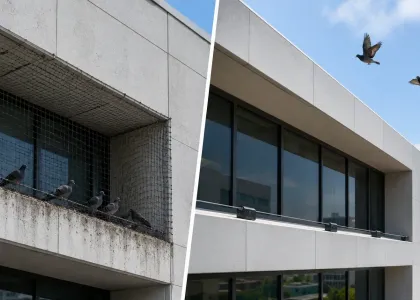
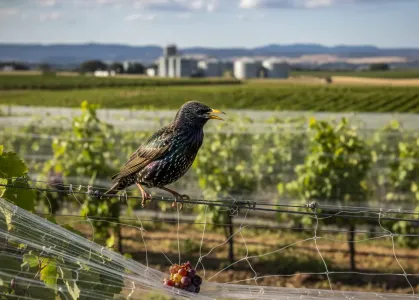
Quick Answer
How do birds damage parking structures?
Birds damage parking structures through acidic droppings, nesting debris, blocked drains, moisture retention, corrosion, and repeated contamination. Over time, bird activity can weaken protective coatings, accelerate concrete deterioration, damage metal fixtures, increase inspection needs, and raise repair costs. Long-term protection requires preventing birds from repeatedly roosting and nesting in the structure.
Parking structures are designed for load, weather exposure, and long service life. They are not designed for continuous wildlife occupation. When bird activity becomes established in a garage, the effects extend beyond surface cleaning. Over time, droppings, nesting debris, and moisture interaction contribute to ongoing structural issues that compound year after year.
What begins as a nuisance often evolves into measurable asset deterioration.
Why Parking Garages Attract Birds in the First Place
Parking garages attract birds because they provide shelter, height, shade, and low-disturbance areas. Beams, ledges, pipes, upper decks, stairwells, lighting fixtures, and corners give birds stable places to land, roost, and build nests.
Once birds become comfortable in a parking structure, they often return to the same areas. This is why cleanup alone does not solve the problem. The garage may look clean for a short time, but the same beams, ledges, and protected corners still offer birds a familiar place to gather.
For property managers, this creates a recurring maintenance issue. Droppings, nesting debris, corrosion risk, odor, and customer complaints can come back unless the structure becomes harder for birds to occupy.
| Bird damage issue | Parking structure impact |
|---|---|
| Acidic droppings | Wear down sealants, coatings, concrete surfaces, and painted areas. |
| Moisture trapped by droppings | Increases surface weakening, staining, and freeze-thaw stress. |
| Nesting debris | Blocks drains, scuppers, gutters, vents, and equipment access points. |
| Standing water from blocked drains | Accelerates concrete deterioration and structural wear. |
| Corrosion on metal fixtures | Damages handrails, fasteners, lighting mounts, signs, and exposed hardware. |
| Debris near electrical systems | Increases inspection needs around lights, junction boxes, and service areas. |
| Repeat roosting on beams and ledges | Creates recurring cleanup, repair, and inspection costs. |
| Droppings on pedestrian and vehicle areas | Creates safety risks, complaints, and a poorly maintained appearance. |
Parking Structure Protection
Reduce Bird Damage in Parking Structures
If birds are damaging beams, ledges, drains, lighting areas, stairwells, or parking decks, Symterra can help assess the structure and recommend a long-term deterrent strategy built around bird behavior and parking structure layout.
Request a Parking Structure AssessmentHow Bird Droppings Damage Concrete Parking Structures
Bird Droppings Wear Down Protective Coatings
Bird droppings contain uric acid. On coated concrete decks and beams, repeated exposure degrades sealants and protective finishes.
Moisture Penetrates and Weakens Concrete
Once protective layers fail, moisture penetrates more easily. This increases freeze-thaw stress in colder climates and long-term surface weakening.
How Pigeon Droppings Cause Freeze-Thaw Damage
Pigeon guano does more than stain surfaces. It traps moisture against masonry and concrete, especially in ledges, joints, and horizontal areas where buildup stays wet longer. When temperatures drop, that trapped moisture freezes, expands, and puts pressure on already weakened surfaces. Over repeated cycles, this leads to cracking, spalling, and faster surface breakdown. In parking structures, the combination of guano, moisture retention, and seasonal freeze-thaw exposure makes long-term structural damage more likely.
Bird Activity Causes Reinforcing Steel Corrosion
Bird Droppings Trap Moisture Against Concrete
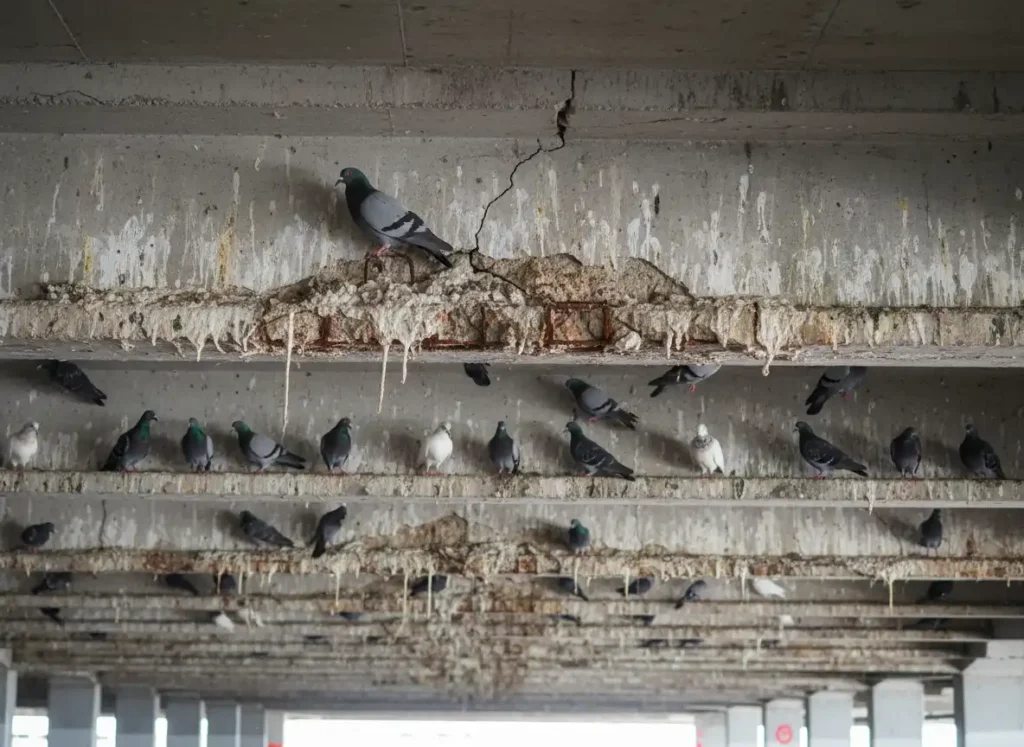
Accumulated droppings trap moisture against concrete surfaces. Persistent damp conditions increase the likelihood of corrosion in embedded reinforcement.
Corroded Reinforcement Leads to Cracking and Spalling
As steel corrodes, it expands. This internal pressure leads to cracking and spalling, which require structural repair if left unchecked.
Droppings, Corrosion, Cleanup, and Customer Safety Risks
Bird damage in parking structures is not limited to concrete and metal surfaces. It also affects the people who use the garage. Droppings on walkways, stairs, railings, payment areas, and vehicle spaces can create safety concerns and a poor customer experience.
Parking garages with recurring bird activity may deal with stained vehicles, unpleasant odors, slippery walking surfaces, dirty stairwells, blocked drains, and repeated service calls. These problems can make the property look poorly maintained even when crews are cleaning regularly.
That is why long-term bird control for parking structures should focus on prevention, not only cleanup. When birds stop returning to the same roosting and nesting areas, the facility can reduce both structural risk and customer-facing complaints.
Parking Structure Bird Damage Table
| Problem Area | How Birds Cause Damage | Facility Impact |
|---|---|---|
| Concrete decks and beams | Droppings sit on surfaces and wear down protective coatings over time. | Higher cleaning demand, staining, surface wear, and possible repair needs. |
| Drains and scuppers | Nesting debris, feathers, and waste can block water flow. | Standing water, moisture retention, and increased deterioration risk. |
| Metal fixtures | Droppings and moisture accelerate corrosion on railings, fasteners, lights, and mounts. | More frequent inspections, repairs, and fixture replacement. |
| Walkways and stairwells | Droppings collect in pedestrian areas and can become slippery. | Customer safety concerns, complaints, and liability exposure. |
| Parking spaces | Birds roost above vehicles and leave droppings on windshields, paint, and pavement. | Vehicle staining, customer frustration, and poor property perception. |
| Lighting and electrical areas | Nesting debris and moisture collect around fixtures and junction points. | Higher maintenance demand and possible equipment issues. |
Parking Garage Bird Activity Inspection Checklist
Facility teams can use this checklist to identify areas where bird activity is becoming a bigger maintenance issue:
| Inspection Area | What to Look For | Why It Matters |
|---|---|---|
| Upper decks | Droppings, feathers, or birds gathering near edges and ledges. | Upper levels often become repeat roosting zones. |
| Beams and pipes | Nests, stains, or droppings directly below overhead surfaces. | These are common nesting and perching locations. |
| Drains | Twigs, feathers, standing water, or blocked scuppers. | Blocked drainage can accelerate moisture-related damage. |
| Stairwells and walkways | Droppings where pedestrians walk, wait, or hold railings. | Customer safety and cleanliness complaints often start here. |
| Lighting fixtures | Debris around lights, junction boxes, or mounting points. | Bird activity can increase electrical inspection and cleaning needs. |
| Vehicle parking zones | Repeated droppings on the same parking spaces. | This can trigger customer complaints and property reputation issues. |
Why Parking Structures Need Bird Prevention, Not Just Cleanup
Parking structures need bird prevention because repeated cleanup does not stop the conditions that attract birds back. Beams, ledges, ceiling joints, stairwells, drains, lighting areas, and low-disturbance corners can continue to provide stable places for birds to roost and nest.
When birds keep returning, the same areas continue to collect droppings, moisture, nesting debris, and contaminants. Over time, this can increase surface damage, corrosion, blocked drainage, inspection frequency, repair costs, and user complaints. You can also review how bird issues in parking garages increase maintenance costs over time.
A prevention strategy should identify where birds land, roost, nest, and retest the structure, then protect those areas with consistent deterrent coverage.
Long-Term Bird Prevention for Parking Structures
Parking garages often need more than one-time cleaning because birds return to areas that still provide shelter, height, and stable landing points. A prevention-first plan helps reduce recurring damage before it becomes a bigger maintenance issue.
Facilities with ongoing bird activity can learn more about Symterra Pulse and how behavior-based bird control works. For broader property needs, Symterra also supports commercial and retail facilities that need long-term bird activity prevention across customer-facing and operational spaces.
Property teams can also review the bird control cost calculator or learn more about bird control at scale for larger facilities with repeated bird pressure.
Blocked Drains Increase Water Damage Risk
Bird Nests and Debris Block Drainage Systems
Twigs, feathers, and debris from nesting areas often migrate into drains and scuppers.
Standing Water Accelerates Structural Deterioration
Blocked drainage results in ponding. Prolonged standing water accelerates surface wear and stresses structural elements.
How Birds Damage Metal Fixtures and Equipment
Bird Droppings Accelerate Metal Corrosion
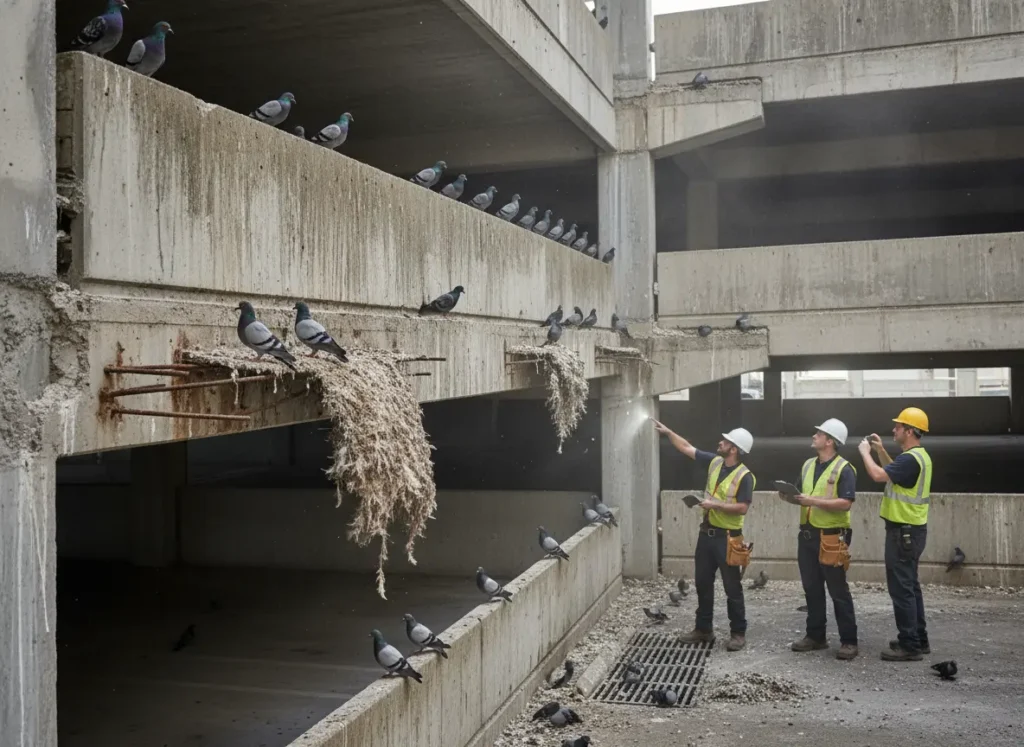
Droppings on metal surfaces accelerate oxidation. Over time, handrails, light mounts, and exposed fasteners deteriorate. For long-term prevention, facilities need an electromagnetic bird deterrent system that helps stop birds from repeatedly landing, roosting, and nesting in the same high-risk areas.
Birds Increase Damage to Electrical Systems
Nesting near lighting fixtures and junction boxes introduces debris and moisture, increasing inspection and repair frequency.
Bird Activity Increases Maintenance and Repair Costs
More Frequent Structural Inspections Are Required
Recurring bird activity forces additional inspections to monitor corrosion, cracking, and drainage performance.
Long-Term Bird Activity Raises Repair Costs
Minor deterioration becomes structural rehabilitation when bird activity persists across multiple seasons. Commercial property teams can also review Symterra’s solutions for commercial and retail facilities where bird activity can affect parking areas, rooftops, customer access, and maintenance planning.
Birds Return to the Same Roosting Areas
If deterrence is inconsistent, birds return to the same beams and ledges repeatedly.
Structural Damage Builds Over Time
Damage from droppings and moisture does not appear immediately. It builds slowly, increasing long-term capital expense.
Long-Term Parking Structure Protection Requires Prevention
Bird activity in parking structures contributes to ongoing structural issues by accelerating corrosion, weakening coatings, blocking drainage, and increasing inspection demands. Cleaning alone does not stop the cycle. Preventing repeat occupation is the only way to stabilize long-term structural health.
Symterra Pulse supports this goal by providing real-time visibility into deterrent system performance. It identifies weak zones before birds reestablish roosting areas. With verified, continuous deterrence, parking structures maintain structural integrity and reduce long-term repair costs. Learn more about how Symterra’s bird deterrent system works to support behavior-based prevention across complex structures.
Long-Term Prevention
Protect Parking Structures From Recurring Bird Damage
Bird damage becomes more expensive when droppings, blocked drains, corrosion, and cleanup repeat across the same beams, ledges, decks, and access areas. Symterra helps facilities reduce recurring bird activity with a behavior-based deterrent strategy.
Request a Site RecommendationFrequently Asked Questions
Why do parking garages attract birds?
Parking garages attract birds because they provide height, shelter, shade, low human disturbance, beams, ledges, pipes, stairwells, and protected corners. If food and water are nearby, birds may return daily and use the structure for roosting or nesting.
Why is cleaning bird droppings not enough for parking structures?
Cleaning bird droppings is not enough because it removes the visible mess but does not stop birds from returning to the same beams, ledges, drains, and sheltered areas. Long-term protection requires preventing repeated roosting and nesting activity.
What damage do pigeons cause in parking garages?
Pigeons damage parking garages through droppings, nesting debris, blocked drains, corrosion, and repeated contamination on ledges, beams, signs, lights, and parked vehicles. Their droppings contain acids that wear down protective coatings and increase cleaning costs. When pigeons return to the same areas, the damage becomes a recurring maintenance issue instead of a one-time cleanup problem.
Can bird droppings damage concrete?
Yes. Bird droppings can damage concrete when they sit on the surface for long periods. The acidic material can weaken coatings, stain surfaces, trap moisture, and contribute to gradual deterioration. In parking structures, repeated exposure also increases the risk of corrosion around metal fixtures, drains, joints, and reinforced areas.
Why do birds nest in parking structures?
Birds nest in parking structures because they provide shelter, shade, height, and protection from predators. Beams, ledges, pipes, corners, and rooftop areas give birds stable places to roost and build nests. If food and water sources are nearby, parking structures become even more attractive as repeat nesting sites.
How do you keep birds out of parking garages?
To keep birds out of parking garages, facility teams need to remove attractants, block nesting areas, protect high-risk ledges, and use deterrents that prevent birds from returning. Cleaning alone is not enough because birds often come back to the same roosting zones. Long-term control works best when the parking structure becomes uncomfortable for birds to land, nest, and gather.
What is the best long-term bird deterrent for parking structures?
The best long-term bird deterrent for parking structures is one that prevents birds from repeatedly landing, roosting, and nesting without creating maintenance problems. Static tools can lose effectiveness when birds adapt or find gaps. A behavior-based deterrent system works better for larger parking structures because it targets repeat bird activity across the areas where damage starts.