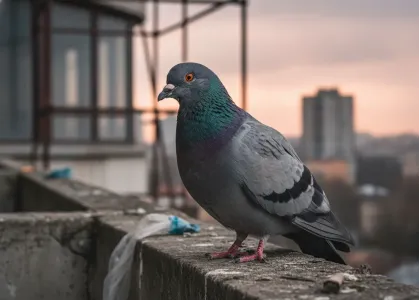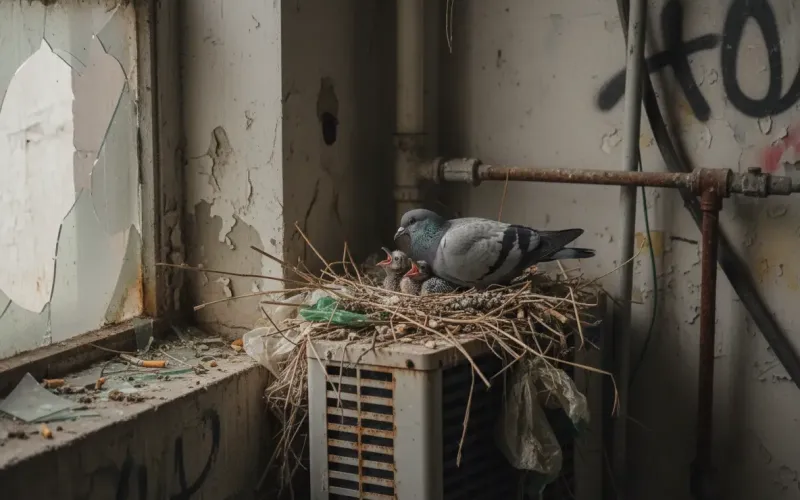
Many facilities respond to bird problems the same way each time. Birds appear. Nests are removed. Surfaces are cleaned. Temporary deterrents are installed. For a short period, activity decreases. Then the birds return and the cycle starts again.
Each intervention may seem manageable on its own. The real problem emerges over time. Repeated bird control actions accumulate costs across labor, equipment, repairs, and operational disruption. What looks like a minor maintenance issue becomes a compounding expense.
Short-Term Fixes Create Recurring Work
Nest Removal Repeats Every Season
Birds rebuild nests quickly when conditions remain favorable. Maintenance teams return to the same locations year after year to repeat the same work.
Cleaning Becomes a Routine Task
Droppings accumulate beneath roosting areas. Walkways, loading docks, and structural beams require frequent cleaning cycles.
Labor and Equipment Costs Multiply
Access Equipment Is Required
Bird control often requires lifts, scaffolding, or rope access. Repeated interventions increase equipment rental and setup costs.
Specialized Contractors Add Expense
Facilities frequently rely on wildlife control services for nest removal and mitigation. Each visit adds additional labor charges.
Repeated Activity Accelerates Asset Wear
Corrosion and Surface Damage
Bird droppings degrade metal surfaces, coatings, and concrete over time. Repairs that should occur occasionally become recurring maintenance tasks.
Drainage and System Damage
Nesting debris clogs drains and interferes with mechanical systems. Maintenance teams must clear blockages and inspect affected equipment.
Operational Disruption Adds Hidden Costs
Maintenance Schedules Shift
Unexpected bird activity interrupts planned inspections and repairs. Teams divert time from preventive maintenance.
Safety Monitoring Increases
Slip hazards, fire risks, and contamination concerns require additional oversight and documentation.
The Cost Curve Builds Gradually
Small Expenses Add Up
Individually, each intervention appears minor. Over multiple years, however, repeated cleanup, equipment rental, and repairs significantly increase operating costs.
Deferred Damage Leads to Capital Repairs
If bird activity continues long enough, structural deterioration may require major restoration work.
Breaking the Cycle Reduces Long-Term Expense
Repeated bird control interventions compound costs because they treat symptoms rather than preventing the cause. Long-term prevention changes the cost curve by eliminating the need for repeated response.
Symterra Pulse supports long-term prevention by providing real-time visibility into deterrent system performance. It identifies weak zones and system faults before birds return. With verified deterrence in place, facilities reduce repeat interventions and stabilize long-term maintenance costs.