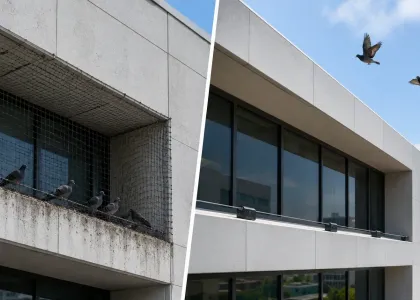
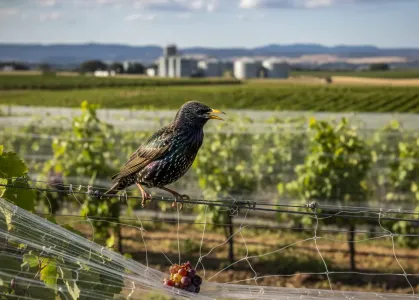
Bird nesting is often treated as a minor operational issue. In reality, it is a long-term cost driver for warehouse and industrial facility operators. Nests form quietly, spread across structures, and trigger recurring expenses that compound year after year. When nesting becomes established, maintenance budgets absorb the impact long after the birds are gone.
Quick Answer
How does bird nesting increase infrastructure maintenance costs?
Bird nesting increases infrastructure maintenance costs by creating repeat cleanup, blocked drains, corrosion, equipment contamination, airflow issues, electrical inspection needs, slip hazards, and recurring repair work. For warehouses, industrial sites, parking structures, rooftops, and utility infrastructure, nesting becomes expensive because birds return to the same protected areas unless the site is changed with long-term deterrence.
| Bird nesting issue | Maintenance cost impact |
|---|---|
| Repeated nest removal | Adds labor, lift equipment, documentation, and contractor costs. |
| Concentrated droppings | Increases cleanup frequency below roosting and nesting areas. |
| Blocked drains and gutters | Creates standing water, leaks, surface wear, and drainage repairs. |
| Corrosion from droppings | Damages coatings, steel, concrete, railings, signs, and fixtures. |
| HVAC contamination | Restricts airflow, contaminates components, and increases filter replacement. |
| Electrical debris buildup | Raises inspection needs around lighting, conduit, and junction boxes. |
| Slip hazards near access areas | Adds cleaning, signage, safety reviews, and liability exposure. |
| Repeat seasonal nesting | Turns bird control into a recurring maintenance budget item. |
Infrastructure Maintenance Cost Control
Reduce Recurring Bird Nesting Maintenance Costs
If bird nesting keeps adding cleanup, drainage, corrosion, equipment, or safety costs to your maintenance budget, Symterra can help assess the structure and recommend a long-term deterrent strategy built around bird behavior and infrastructure layout.
Request a Maintenance Cost AssessmentBird Nesting Creates Ongoing Cleanup Expenses
Repeated Nest Removal
Birds rebuild nests quickly. Removing one nest rarely solves the problem. Crews return multiple times per year to the same locations, increasing labor hours and equipment use.
Constant Dropping Cleanup
Active nests mean concentrated droppings below roosting areas. Walkways, platforms, and access paths require frequent cleaning to stay usable and compliant.
Can You Get Affordable Guano Removal for Warehouses and Loading Bays?
Guano removal for warehouses and loading bays may seem affordable at first, but costs increase when cleanup becomes a recurring task. Active nesting leads to constant droppings in high-traffic areas like ramps, docks, and access paths, which require repeated cleaning to maintain safety and compliance. Without addressing the source of the nesting, facilities pay for the same cleanup work multiple times per year, along with added labor, equipment use, and downtime.
Nesting Accelerates Wear on Structures
Corrosion From Droppings
Bird droppings are acidic. Over time, they damage concrete coatings, steel beams, handrails, signage, and lighting fixtures. Repairs that should occur on long intervals become recurring tasks.
Blocked Drainage Systems
Nesting material clogs drains, gutters, and scuppers. Standing water follows, leading to leaks, freeze-thaw damage, and premature surface deterioration.
Increased Maintenance Around Critical Systems
HVAC and Mechanical Equipment
Birds nest near warm mechanical units. Debris restricts airflow, contaminates components, and forces early filter replacement and system cleaning. For large facilities with recurring bird pressure, review Symterra’s approach to industrial and warehouse bird control.
Electrical Infrastructure
Nesting material near lighting, conduit, and junction boxes increases inspection frequency and repair work due to fire risk and debris buildup.
Safety-Driven Costs Add Up
Slip and Fall Prevention
Droppings on ramps, stairs, and walkways create slip hazards. Facilities increase cleaning frequency and signage to reduce exposure.
Emergency Response and Incident Reviews
Bird-related incidents trigger investigations, reports, and corrective actions. These indirect costs often exceed the cleanup itself.
Why Nesting Turns Into a Budget Multiplier
Problems Recur Instead of Resolving
Without prevention, nesting repeats every season. Each cycle adds labor, equipment rental, and contractor time to the maintenance budget.
Deferred Repairs Become Capital Work
Small corrosion issues and drainage problems grow into larger restoration projects when nesting continues unchecked.
Why Bird Nesting Becomes a Recurring Maintenance Cost
Bird nesting becomes a recurring maintenance cost because birds often return to the same protected areas season after season. If beams, ledges, rafters, signs, drains, vents, HVAC areas, or structural gaps still provide shelter and stability, nest removal only clears the current problem.
Once birds rebuild, maintenance teams face the same expenses again. Cleanup, inspections, drain clearing, equipment access, surface repairs, and safety reviews continue to repeat instead of disappearing from the budget.
The cost grows when the issue spreads across multiple zones. A single nest may be manageable, but repeated nesting across docks, rooftops, mechanical areas, stairways, utility structures, and elevated platforms can turn a small bird issue into an ongoing infrastructure maintenance program.
Preventive Control Changes the Cost Curve
Fewer Reactive Work Orders
Stopping nesting reduces emergency cleanup and unplanned inspections.
Longer Asset Lifespan
Surfaces, equipment, and systems last longer when they are not constantly exposed to droppings and debris.
Long-Term Bird Nesting Prevention for Infrastructure Owners
Infrastructure owners need long-term prevention because nesting often affects assets that are expensive to access and repair. Rooflines, beams, utility structures, HVAC platforms, drainage systems, warehouse rafters, lighting, signage, and elevated service areas can all become recurring bird activity zones.
A long-term prevention plan should begin with a site assessment. The goal is to identify where birds land, nest, rebuild, and return after removal. From there, deterrent coverage should be planned around high-use zones, maintenance access, drainage paths, equipment protection, and safety exposure.
This approach helps shift bird control from reactive cleanup to asset protection. Instead of paying for repeated nest removal and repairs, facilities can reduce the conditions that allow nesting to continue. For more detail on behavior-based prevention, review how Symterra’s bird deterrent system works.
Controlling Nesting Is a Cost Strategy, Not a Cleanup Task
Bird nesting increases maintenance costs because it creates repeat work, accelerates wear, and raises safety exposure. The expense is rarely obvious in a single line item. It appears gradually across labor, repairs, inspections, and capital planning.
Symterra Pulse identifies weak zones and system failures before birds reestablish nests. With verified prevention in place, warehouse and industrial facility operators reduce recurring maintenance costs and protect assets over their full lifecycle. For more background on system performance, review Symterra’s efficacy study.
Long-Term Nesting Prevention
Stop Bird Nesting From Becoming a Maintenance Budget Problem
Nesting becomes expensive when cleanup, corrosion, drainage repairs, equipment inspections, and safety risks repeat across the same structures. Symterra helps infrastructure owners reduce recurring nesting activity with long-term behavior-based deterrence.
Request a Site RecommendationFrequently Asked Questions About Bird Nesting Maintenance Costs
How does bird nesting increase maintenance costs?
Bird nesting increases maintenance costs by creating repeat cleanup, blocked drains, corrosion, HVAC contamination, electrical inspection needs, slip hazards, and recurring repair work around the same structures.
Why does nest removal not solve the maintenance problem?
Nest removal does not solve the maintenance problem because birds may return to the same beams, ledges, rafters, signs, drains, vents, and equipment zones if those areas still provide shelter and stability.
What infrastructure areas are most affected by bird nesting?
Common high-risk areas include warehouse rafters, loading docks, rooftops, HVAC platforms, drains, gutters, lighting areas, signage, utility structures, stairways, and elevated service platforms.
How can infrastructure owners reduce bird nesting costs?
Infrastructure owners can reduce bird nesting costs by identifying nesting patterns, removing attractants, closing access points where possible, and using long-term deterrent coverage across areas birds repeatedly use.
When should a facility request a bird nesting assessment?
A facility should request a bird nesting assessment when nests, droppings, debris, clogged drains, equipment issues, safety risks, or repeated cleanup costs continue to appear in the same areas.