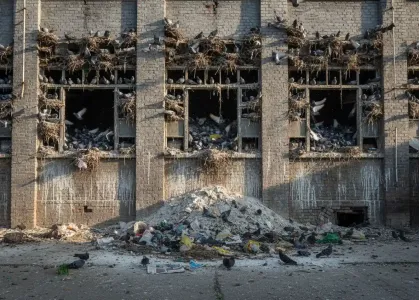
Not all buildings carry the same financial weight. Data centers, manufacturing plants, logistics hubs, medical facilities, and premium commercial properties represent significant capital investment. For these high-value assets, bird control is not a cosmetic concern. It is a protection strategy.
Short-term fixes may reduce visible droppings, but they do not protect asset value over time. Long-term bird control preserves structural integrity, operational continuity, and financial performance.
High-Value Assets Carry Higher Exposure
Larger Surface Areas Create More Roosting Zones
Expansive rooftops, structured parking, loading docks, HVAC clusters, and electrical infrastructure give birds multiple landing points. More surface area means more opportunity for recurring activity.
Complex Systems Increase Vulnerability
High-value facilities rely on interconnected systems. Birds that nest near mechanical or electrical equipment affect more than one component at a time.
Asset Value Is Tied to Structural Integrity
Droppings Accelerate Material Degradation
Acidic droppings damage steel, coatings, sealants, and concrete. Over years, this shortens replacement cycles and increases capital expenditures.
Nesting Debris Damages Critical Components
Blocked drains, clogged ventilation, and debris near electrical units compromise system performance and lifespan.
Operational Downtime Costs More Than Cleanup
Interruptions Multiply Across Systems
A bird-related issue near HVAC, electrical panels, or production lines can force partial shutdowns or inspections.
Compliance Failures Carry Financial Consequences
High-value facilities often operate under strict regulatory oversight. Bird contamination can lead to citations, fines, or lost contracts.
Reputation Is Part of Asset Value
Visible Bird Activity Impacts Perception
Investors, tenants, and clients notice recurring bird issues. Droppings on entrances, signage, or vehicles reduce perceived professionalism.
Long-Term Prevention Supports Brand Stability
Facilities that maintain clean, controlled environments protect both physical and reputational value.
Why Short-Term Solutions Undermine Asset Strategy
Reactive Maintenance Erodes Predictability
Repeated cleanup and repair distort operating budgets and increase long-term cost uncertainty.
Partial Deterrence Encourages Retesting
If even small zones remain unprotected, birds relocate within the structure instead of leaving entirely.
Long-Term Bird Control Preserves Capital Performance
Continuous Coverage Reduces Wear
When birds stop landing and nesting, corrosion, debris buildup, and contamination decrease significantly.
Prevention Aligns With Asset Lifecycle Planning
High-value assets are managed over decades. Bird control must operate on the same timeline.
Protecting Asset Value Requires Verified Prevention
High-value assets demand consistent protection, not temporary fixes. Bird activity may appear minor, but over time it degrades materials, disrupts operations, and increases capital expense.
Symterra Pulse supports long-term asset protection by providing real-time visibility into deterrent system performance. It detects weak zones and system faults before birds reestablish patterns. With verified, continuous deterrence, high-value facilities protect infrastructure integrity and preserve long-term capital value.