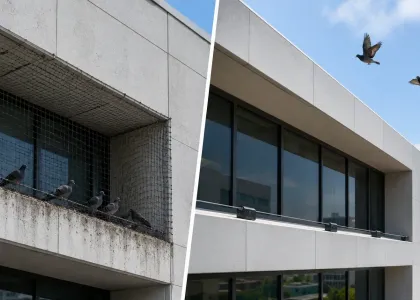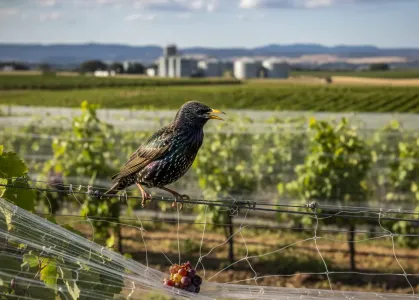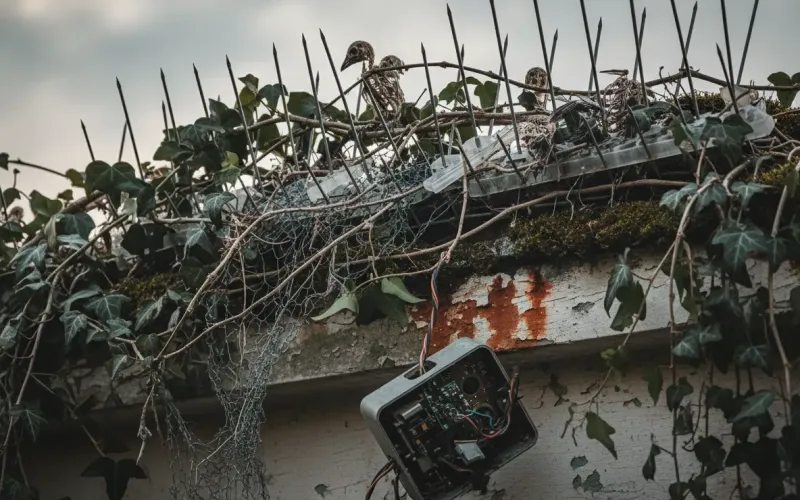
Bird problems rarely appear overnight, and they are never solved overnight either. In facilities designed to operate for decades, bird prevention must be planned the same way as roofing, drainage, fire protection, and electrical systems. Long-term success is not about a single install. It is about consistency, adaptation, and verification over time.
Quick Answer
What does long-term bird prevention look like over a facility lifecycle?
Long-term bird prevention means planning deterrence across the full 5 to 10 year facility lifecycle, not only reacting after droppings, nests, or damage appear. It includes early behavior change, full-site coverage, ongoing system checks, seasonal monitoring, maintenance coordination, and performance verification so birds do not reestablish roosting or nesting patterns over time.
5 to 10 Year Bird Prevention Lifecycle Table
| Facility lifecycle stage | Bird prevention priority | Why it matters |
|---|---|---|
| Year 0 to 1 | Establish behavior change early | Prevents birds from forming roosting and nesting habits |
| Years 1 to 3 | Maintain consistent deterrent coverage | Stops birds from retesting familiar areas as the facility settles |
| Years 3 to 5 | Check for coverage drift and weak zones | Small failures can turn into recurring bird pressure |
| Years 5 to 10 | Protect aging surfaces and infrastructure | Older buildings can create new shelter, gaps, and landing areas |
| Seasonal cycles | Monitor bird activity before peak nesting or roosting periods | Reduces sudden cleanup and maintenance issues |
| Maintenance cycles | Coordinate deterrent checks with roofing, HVAC, drainage, and electrical work | Keeps prevention active as the building changes |
| Long-term operations | Verify system performance instead of assuming it still works | Helps prevent surprise infestations and rising costs |
Year 0–1: Establishing Behavior Change Early
Prevention Starts Before Habits Form
The first year is critical. When birds are discouraged before roosting or nesting patterns form, long-term control becomes easier and less costly.
Coverage Matters More Than Intensity
Early success depends on protecting all high-risk zones. Partial coverage teaches birds where to return.
Years 1–3: Maintaining Consistency as the Facility Settles
Buildings Change After Opening
Traffic patterns stabilize. Equipment is added. Wear creates new edges and gaps. Bird prevention must account for these changes.
Birds Retest Sites Periodically
Even after initial success, birds test familiar locations. Consistent deterrence prevents retesting from turning into reoccupation.
Why One-Time Bird Control Fails Over Time
One-time bird control often fails because facilities change. Equipment is added, roof areas shift, sealants age, traffic patterns change, and new gaps or sheltered surfaces appear. A deterrent plan that worked during installation may lose coverage if the building changes but the prevention strategy does not.
Birds also continue testing familiar structures. If a weak area develops, birds may return to a beam, ledge, roof edge, drain, sign, loading dock, or HVAC zone that once felt usable.
Long-term bird prevention should be treated like facility maintenance. It needs inspection, adjustment, and verification so the site does not drift back into recurring bird pressure.
Years 3–5: Preventing Drift Back Into Risk
Small Failures Create Big Openings
Voltage drops, damaged lines, or inactive zones invite birds back quickly. These failures often go unnoticed without monitoring.
Maintenance Alone Is Not Enough
Cleaning and nest removal at this stage usually indicate deterrence drift. Prevention must remain active, not reactive.
Years 5–10: Protecting Aging Infrastructure
Aging Assets Attract Birds
As buildings age, surfaces roughen, sealants fail, and shelter increases. Birds exploit these conditions if deterrents weaken.
Long-Term Facilities Require Verification
Assuming deterrents still work after years of exposure leads to repeat infestations and rising maintenance costs.
What Long-Term Bird Prevention Actually Includes
Designed Coverage Across the Entire Facility
Rooftops, parking structures, loading docks, HVAC zones, electrical infrastructure, and ledges are addressed from the start.
For a planning overview, review Symterra’s Path to Protection process.
Continuous Operation Without Seasonal Gaps
Bird behavior does not follow maintenance schedules. Systems must remain active year-round.
Performance Visibility Over Assumptions
Knowing when deterrents weaken is the difference between prevention and surprise cleanup.
For performance background, review Symterra’s efficacy study.
The Cost Difference Between Prevention and Reaction
Predictable Operating Costs
Long-term prevention stabilizes budgets by reducing emergency labor, equipment rentals, and unplanned repairs.
Reduced Safety and Compliance Risk
Slip hazards, fire risk, and contamination issues decrease when birds never reestablish territory.
Bird Prevention as a Lifecycle Cost Planning Strategy
Bird prevention is easier to budget when it is planned as part of the facility lifecycle. Instead of reacting to droppings, nests, blocked drains, slip hazards, equipment contamination, or emergency cleanup, facility teams can plan prevention around predictable maintenance windows.
This helps reduce surprise costs. Bird activity often becomes expensive when it interrupts roofing work, HVAC access, drainage maintenance, tenant operations, customer areas, or safety inspections.
A lifecycle approach also helps facilities compare prevention costs against repeated cleanup, surface repair, tenant complaints, technician delays, and liability exposure over several years.
Facilities can also use the Symterra cost calculator to start estimating long-term bird prevention needs.
Long-Term Prevention Depends on Proof, Not Hope
Over a 5–10 year facility lifecycle, bird prevention succeeds only when deterrence remains consistent, verified, and adaptive to change. One-time fixes fade. Assumptions fail. What lasts is systems designed to operate continuously and reveal when performance drops.
Symterra Pulse supports long-term prevention by providing real-time insight into deterrent system health. It identifies weak zones and performance loss before birds reestablish patterns. With ongoing visibility, facilities protect assets across their full lifecycle instead of repeating the same bird problems year after year.
Learn more about Symterra Pulse and how it supports long-term bird prevention through system visibility and continuous deterrence.
To plan bird prevention across the next 5 to 10 years, contact Symterra for a site recommendation.
Long-Term Bird Prevention
Plan Bird Prevention for the Full Facility Lifecycle
If your facility is planning for long-term operations, Symterra can help evaluate bird pressure, high-risk zones, aging infrastructure, maintenance access, and prevention needs over the next 5 to 10 years. Request a Long-Term Bird Prevention Plan
Frequently Asked Questions
What is long-term bird prevention?
Long-term bird prevention is a planned approach that reduces recurring bird activity over several years through consistent deterrent coverage, monitoring, maintenance coordination, and performance verification.
Why should bird prevention be planned over 5 to 10 years?
Bird prevention should be planned over 5 to 10 years because buildings change, surfaces age, equipment is added, and birds continue testing familiar areas. A long-term plan helps prevent deterrent drift and recurring bird pressure.
Why do one-time bird control fixes fail?
One-time bird control fixes fail when they only address the visible problem. If the facility still provides shelter, height, warmth, food access, nesting areas, or untreated gaps, birds may return over time.
What should facilities monitor after installing bird deterrents?
Facilities should monitor high-risk landing zones, roof edges, ledges, drains, HVAC areas, loading docks, electrical zones, inactive deterrent areas, and any locations where birds begin retesting the structure.
How does long-term bird prevention reduce facility costs?
Long-term bird prevention reduces costs by limiting repeated cleanup, emergency labor, surface damage, blocked drains, slip risks, tenant complaints, technician delays, and unplanned repairs.