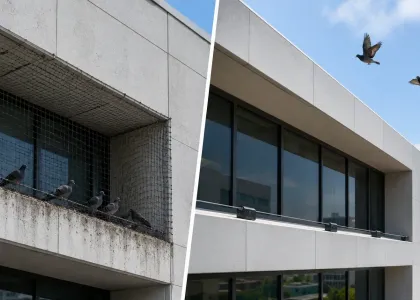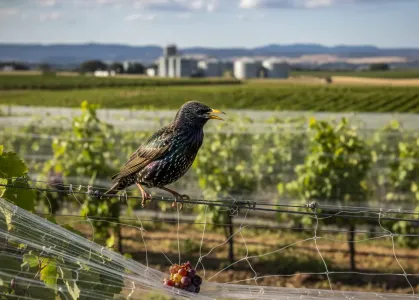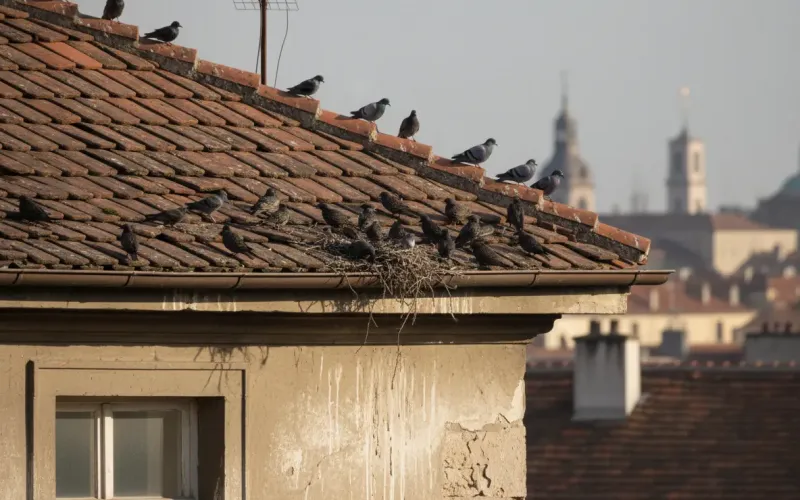
Asset protection is not only about security systems and structural design. It also depends on controlling everyday factors that gradually damage infrastructure. Bird activity is one of those factors. When birds roost and nest on buildings, they introduce ongoing wear, contamination, and operational risk.
Non-lethal bird deterrents support long-term asset protection by preventing these issues without adding maintenance or compliance concerns.
Quick Answer
Why do non-lethal bird deterrents support long-term asset protection?
Non-lethal bird deterrents support long-term asset protection by stopping roosting and nesting before droppings, debris, and repeat activity damage buildings, equipment, and high-risk surfaces. This helps reduce recurring maintenance, extend asset life, and protect overall facility performance.
Protect Commercial Assets From Recurring Bird Damage
If birds are damaging rooftops, ledges, equipment areas, signs, warehouses, or commercial facilities, Symterra can help assess the site and recommend a non-lethal deterrent strategy built for long-term asset protection.
Request a Site RecommendationBird Activity Accelerates Asset Deterioration
Asset Risk / Deterrent Value Table
| Asset risk from bird activity | How non-lethal deterrence helps |
|---|---|
| Droppings on metal, concrete, and coatings | Reduces repeated exposure before corrosion and surface damage build up. |
| Nesting debris near drains and HVAC units | Helps prevent recurring blockages, airflow issues, and maintenance calls. |
| Birds returning after cleanup | Addresses the behavior instead of only removing visible contamination. |
| Damage across rooftops and ledges | Supports broader protection across high-risk landing and roosting zones. |
| Maintenance teams repeating the same work | Reduces the cycle of cleanup, repair, and re-cleaning. |
| Weak or unmonitored deterrent zones | Helps identify risk areas before birds reestablish activity. |
Corrosion From Droppings
Bird droppings contain acids that damage coatings, metal surfaces, and concrete over time. Repeated exposure shortens the lifespan of structural and mechanical components.
Nesting Debris Damages Systems
Twigs, feathers, and debris accumulate around drains, HVAC units, and electrical systems. This buildup interferes with performance and increases maintenance needs.
Traditional Responses Do Not Protect Assets
Cleaning Addresses Surface Conditions
Washing droppings removes visible damage but does not prevent future exposure.
Temporary Fixes Allow Repetition
If birds continue to return, deterioration continues. Asset protection requires stopping the behavior, not repeating cleanup.
Non-Lethal Deterrence Prevents Recurring Damage
Stops Roosting and Nesting at the Source
When birds cannot land comfortably, they do not establish long-term presence. This reduces ongoing exposure to droppings and debris.
Consistent Coverage Protects All Surfaces
Effective deterrence ensures that high-risk zones such as rooftops, ledges, parking structures, and equipment areas remain protected.
Long-Term Protection Supports Asset Value
Reduced Maintenance and Repair Costs
Fewer recurring issues mean less frequent cleaning, repair, and component replacement.
Extended Lifespan of Materials and Systems
Structures maintain integrity longer when not exposed to continuous bird-related damage.
Stable Performance Over Time
Facilities operate more efficiently when mechanical and structural systems are not affected by nesting or contamination.
Commercial Assets Need More Than Cleanup
For commercial facilities, bird activity is not only a cleaning problem. It can affect rooftops, ledges, HVAC areas, drains, signage, solar panels, walkways, loading zones, and equipment access points. If birds keep returning, the same surfaces continue to face exposure, contamination, and maintenance pressure.
Non-lethal bird deterrence helps facility managers move from reactive cleanup to prevention. Instead of waiting for damage to appear, the goal is to reduce repeat bird activity before it turns into corrosion, blocked systems, safety issues, or avoidable repair costs.
Asset Protection Requires Continuous Performance
Prevention Must Be Reliable
Deterrent systems must remain active across all zones. Gaps allow birds to return and restart the damage cycle.
Visibility Ensures Ongoing Protection
Knowing when systems weaken prevents small issues from becoming long-term asset risks.
Long-Term Protection Comes From Consistent Prevention
Non-lethal bird deterrents support long-term asset protection by preventing the conditions that lead to structural damage, system interference, and recurring maintenance costs. Instead of reacting to deterioration, facilities reduce exposure at the source.
Symterra Pulse supports asset protection by providing real-time visibility into deterrent system performance. It identifies weak zones and system faults before birds reestablish activity. With verified deterrence in place, facilities maintain consistent protection and preserve asset value over time.
Need long-term bird protection for a commercial property? Request a Symterra site recommendation to reduce recurring bird damage, maintenance pressure, and asset exposure.
Frequently Asked Questions
Why are non-lethal bird deterrents important for asset protection?
Non-lethal bird deterrents help prevent long-term damage caused by roosting and nesting activity. Bird droppings, nesting debris, and repeated bird activity can wear down structures and interfere with equipment over time. Preventing that activity helps protect the condition and value of the asset.
How does bird activity damage buildings and infrastructure?
Bird activity damages infrastructure through repeated exposure to droppings and debris. Droppings contain acids that can corrode metal, damage protective coatings, and weaken concrete surfaces over time. Nesting materials also collect around drains, HVAC units, and electrical systems, which increases wear and maintenance pressure.
Why is cleaning alone not enough to protect assets?
Cleaning only removes the visible result of bird activity. If birds continue to return, the same surfaces and systems will be exposed again and again. That means deterioration continues even if the area looks clean after each service.
How do non-lethal bird deterrents prevent recurring damage?
Non-lethal bird deterrents work by stopping birds from settling on the structure in the first place. If birds cannot land, roost, or nest comfortably, they do not create the droppings and debris that cause recurring damage. This helps reduce exposure at the source instead of managing the aftermath.
What commercial assets are most affected by bird activity?
Commercial assets commonly affected by bird activity include rooftops, ledges, signage, HVAC units, drains, solar panels, parking structures, loading areas, and equipment zones. These areas can face recurring contamination, corrosion, blockages, and maintenance pressure when birds keep returning.
Why is prevention better than repeated bird cleanup?
Prevention is better than repeated cleanup because cleanup only removes the visible result of bird activity. If birds continue to return, droppings, debris, and contamination continue to affect the same surfaces. Long-term deterrence helps reduce the recurring activity that causes the damage.