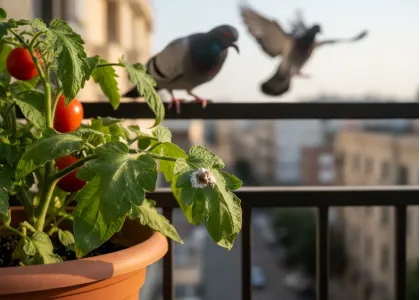
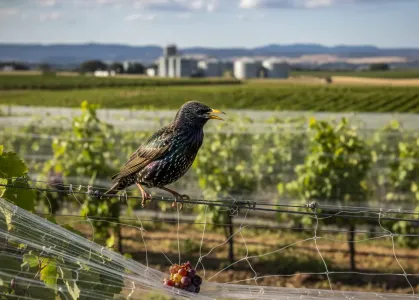
Facility longevity depends on how well a structure withstands continuous use, environmental exposure, and daily wear. Many factors affect this, but bird activity is often overlooked. Over time, roosting and nesting introduce damage that shortens the life of materials, systems, and finishes.
Sustainable bird control supports facility longevity by preventing recurring damage while aligning with environmental and operational standards.
Quick Answer: How does sustainable bird control extend facility life?
Sustainable bird control extends facility life by reducing repeated exposure to droppings, nesting debris, moisture buildup, clogged drainage, and equipment contamination. When birds are consistently deterred, facilities reduce repair cycles, protect building materials, and support long-term asset performance.
Bird Activity Accelerates Long-Term Wear
Surface Degradation From Droppings
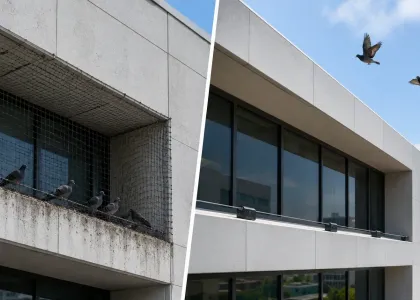
Bird droppings break down coatings, stain surfaces, and weaken protective layers. Repeated exposure leads to faster deterioration of concrete, metal, and painted finishes.
Moisture Retention and Structural Stress
Accumulated droppings and debris trap moisture. This increases corrosion risk and contributes to long-term structural stress.
How Bird Activity Shortens Facility Lifespan
| Bird-Related Issue | Facility Damage | Long-Term Impact |
|---|---|---|
| Droppings on surfaces | Stains coatings, concrete, metal, and painted finishes | Faster material deterioration |
| Nesting debris | Blocks gutters, drains, vents, and equipment areas | Moisture buildup and system strain |
| Birds near HVAC units | Increases contamination and inspection needs | Higher maintenance frequency |
| Birds near electrical systems | Creates debris and access concerns | Repair delays and safety issues |
| Repeat roosting | Creates ongoing cleanup needs | Higher labor and operating costs |
| Failed deterrent coverage | Allows birds to return | Repeated damage cycle |
Want to reduce facility damage caused by bird activity?
Symterra helps commercial facilities reduce repeated bird-related damage to roofs, drains, HVAC units, electrical systems, exterior surfaces, and high-risk structural areas.
Request a Site RecommendationNesting Disrupts System Performance
Blocked Drainage Systems
Nesting material clogs drains and gutters. Standing water creates additional stress on structural components and accelerates wear.
Impact on Mechanical and Electrical Systems
Bird activity near HVAC units, lighting, and electrical infrastructure increases contamination, inspection needs, and repair frequency.
Facility Assets Most Affected by Bird Activity
Bird activity affects more than exterior appearance. Over time, repeated roosting and nesting place stress on building systems, surfaces, and access points that facility teams need to keep functional.
High-risk assets include:
- Rooflines and parapets
- Gutters and downspouts
- HVAC units and rooftop equipment
- Electrical panels and lighting systems
- Painted exterior surfaces
- Concrete ledges and walkways
- Loading docks and entry points
- Signage, beams, and exposed structures
When birds keep returning to these areas, maintenance becomes reactive. A sustainable bird control plan helps protect these assets before damage becomes routine.
Sustainable Control Reduces Repeated Damage
Prevention Limits Exposure
When birds are consistently deterred, surfaces and systems are no longer exposed to constant contamination and debris.
Long-Term Consistency Supports Stability
Sustainable deterrent methods operate continuously, reducing the cycle of damage and repair.
Aligning Bird Control With Sustainability Goals
Reduced Resource Consumption
Less frequent cleaning, repair, and replacement lowers water use, labor, and material consumption.
Non-Lethal Bird Control Supports Responsible Facility Management
Non-lethal bird control supports responsible facility management by reducing bird activity without relying on lethal methods or constant physical intervention. This approach helps facilities protect structures, equipment, and operations while aligning bird deterrence with long-term environmental and operational standards.
Longevity Requires Reliable Performance
Gaps Shorten Asset Lifespan
If deterrent systems weaken, birds return and restart the damage cycle.
Monitoring Maintains Long-Term Effectiveness
Continuous awareness of system performance ensures sustained protection over time.
Why Facility Managers Need Long-Term Bird Control
Facility managers need long-term bird control because bird damage does not happen once. It repeats through droppings, nesting, clogged drainage, equipment exposure, cleaning cycles, and repair requests.
A prevention-focused bird control plan helps facility teams:
- Reduce recurring cleanup
- Protect roof and drainage systems
- Limit corrosion and surface damage
- Reduce equipment inspection issues
- Lower repeat maintenance workload
- Support asset longevity
- Protect access to critical systems
This shifts the facility from constant repair to planned prevention.
Sustainable Control Extends Facility Life
Sustainable bird control contributes to facility longevity by preventing ongoing damage, reducing maintenance cycles, and supporting environmental responsibility. It shifts focus from repeated repair to continuous protection.
Symterra Pulse supports this approach by providing real-time visibility into deterrent system performance. It helps identify weak zones before bird activity returns and impacts the structure. With verified, consistent deterrence, facilities extend their operational lifespan and maintain long-term stability.
Protect your facility from repeated bird damage
If bird activity keeps creating cleanup, repair, drainage, or equipment issues, Symterra can help evaluate your site and recommend a long-term deterrent plan.
Schedule a ConsultationFrequently Asked Questions
What is sustainable bird control?
Sustainable bird control focuses on preventing bird activity over the long term without causing harm. It uses methods that remain effective over time while aligning with environmental and operational standards. This approach reduces recurring issues instead of managing them repeatedly.
How does bird activity affect facility longevity?
Bird activity affects facility longevity by accelerating wear on surfaces and systems. Droppings, nesting debris, and moisture buildup contribute to corrosion, staining, and structural stress. Over time, this shortens the lifespan of materials and increases maintenance needs.
Why are bird droppings harmful to building materials?
Bird droppings contain acidic compounds that break down protective coatings and surfaces. Repeated exposure weakens concrete, metal, and painted finishes. This leads to faster deterioration and higher repair costs.
How does nesting impact building systems?
Nesting materials can block drainage systems like gutters and downspouts, which leads to water buildup and added structural stress. Debris near HVAC units and electrical systems increases contamination and inspection needs. These issues reduce system efficiency and reliability.
Protect facility life with long-term bird deterrence
If recurring bird activity is shortening asset life and increasing maintenance cycles, Symterra can help you build a more durable prevention strategy.
Contact Symterra