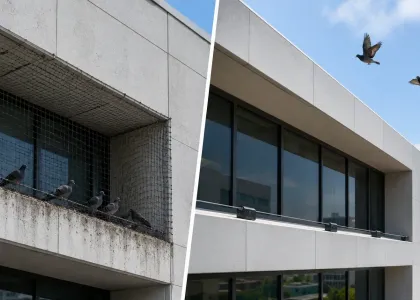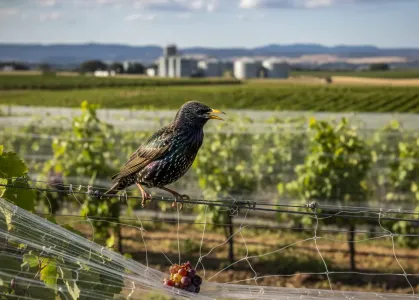
Bird problems rarely disappear through force. Loud noises, physical removal, and aggressive deterrents may push birds away for a short time. Then the birds return.
Permanent prevention does not come from stronger reactions. It comes from changing how birds experience a site. When behavior shifts, return patterns stop. When behavior stays the same, problems repeat.
Quick Answer: Lasting bird prevention requires behavioral change because birds return to structures that still feel safe, stable, and usable. Force-based deterrents may move birds temporarily, but long-term prevention happens when birds consistently experience the site as unsuitable for landing, roosting, or nesting.
Force-Based Methods vs Behavioral Change Table
| Method or issue | What usually happens | Long-term impact |
|---|---|---|
| Noise deterrents | Birds move briefly, then return when the sound stops | Short active lifespan |
| Sprays or repellents | Birds may avoid the area temporarily | Requires frequent reapplication |
| Nest removal | Removes the visible problem but not the site memory | Birds may return to rebuild |
| Visual scare devices | Birds may react at first | Site habituation often reduces effect |
| Partial coverage | Birds relocate to untreated zones | The root attraction remains |
| Behavior-based prevention | Birds repeatedly experience the site as unsuitable | Supports lasting bird prevention |
What Is Behavior-Based Bird Control?
Behavior-based bird control changes how birds interact with a structure instead of reacting after they land or nest. The goal is to make the site unusable for repeat activity, which reduces long-term return patterns.
Force Creates Movement, Not Change
Displacement Is Temporary
Noise, sprays, and sudden disturbance push birds away. Once the disturbance ends, birds come back to the same locations.
Removal Does Not Erase Memory
Birds remember sites that provided shelter and stability. Even after nests are removed, they return to check if conditions are usable again.
Why Birds Keep Returning to the Same Structures
Birds return to the same structures because they remember places that provided shelter, stability, height, and access. If a site worked before, birds often continue testing it until the experience changes.
This is why commercial buildings, warehouses, and industrial facilities, rooftops, signs, billboards, and infrastructure can see repeated bird activity even after cleanup or removal. The visible problem may be gone, but the structure can still feel usable to the birds.
Birds Base Decisions on Experience
Landing Determines Risk
Birds evaluate a site during landing. If the surface feels stable and safe, they stay. If it feels unstable or uncomfortable, they leave.
Repetition Builds Confidence
Each successful landing reinforces safety. Over time, birds develop strong attachment to the structure.
Behavioral Change Breaks the Cycle
Consistent Feedback Alters Decisions
When every landing attempt produces the same uncomfortable response, birds reassess the site.
No Reward Means No Return
Without comfort, shelter, or stability, the structure loses value as a roosting location.
Why Force-Based Methods Fail Long Term
Birds Adapt Quickly
If deterrents are predictable or inconsistent, birds learn to ignore them or wait for them to stop.
Gaps Reinforce Old Patterns
Any break in deterrence allows birds to return and confirm the site is still usable.
How Behavior-based bird prevention Supports Commercial Facilities
Behavior-based bird prevention helps commercial facilities move away from emergency cleanup and repeated short-term fixes. Instead of chasing birds from one area to another, the goal is to make the structure consistently unsuitable for landing, roosting, and nesting.
For warehouses, industrial sites, signs, billboards, rooftops, and infrastructure, this can reduce recurring maintenance, cleanup, equipment interference, and operational disruption. Long-term prevention works best when coverage is planned around bird behavior, site layout, and the areas birds keep testing.
Permanent Prevention Requires Consistency
Every Zone Must Respond the Same Way
Partial coverage allows birds to relocate within the structure instead of leaving.
Continuous Operation Prevents Retesting
When deterrence remains active without interruption, birds stop checking the site altogether.
Need Long-Term Bird Prevention for a Commercial Site?
If birds keep returning after sprays, noise devices, removal, or cleanup, Symterra can help assess the site and recommend a prevention strategy built around bird behavior and long-term coverage.
Request a Site RecommendationLasting Control Comes From Changing Behavior
Permanent bird prevention is not about forcing birds away. It is about removing the conditions that make a site worth returning to. When birds consistently experience discomfort during landing, they abandon the structure and establish new routines elsewhere.
Symterra Pulse supports this approach by providing real-time visibility into deterrent system performance. It helps ensure that deterrence remains consistent across all zones, preventing gaps that allow birds to retest and rebuild patterns. With verified, uninterrupted deterrence, facilities achieve lasting prevention through behavioral change.
For more background on system performance, review Symterra’s efficacy study.
Frequently Asked Quetions
Why does permanent bird prevention require behavioral change instead of force?
Permanent bird prevention requires behavioral change because birds return to places that still feel safe, stable, and usable. Force-based methods may move birds temporarily, but only consistent negative landing experiences change their long-term site decisions.
Why do birds come back after bird removal or nest removal?
Birds often come back after removal because they remember locations that previously offered shelter, safety, and stability. If the structure still feels usable, they will return to test the site again.
Why do force-based bird deterrents fail over time?
Force-based bird deterrents often fail over time because birds adapt to predictable disturbances like noise, sprays, or short-term removal efforts. Once the threat stops or becomes familiar, birds resume their previous behavior.
How do you stop birds from returning to a commercial building?
To stop birds from returning to a commercial building, the site must consistently feel unstable or unrewarding during landing and roosting attempts. Long-term results depend on continuous deterrence across all problem zones, not temporary site disruption.
What is the best long-term bird prevention method for warehouses, parking garages, and industrial buildings?
The best long-term bird prevention method for warehouses, parking garages, and industrial buildings is a consistent behavior-based deterrence system that changes how birds experience the structure. This prevents birds from rebuilding confidence in the site and helps break repeat return patterns.
Why is consistent bird deterrence important across all areas of a property?
Consistent bird deterrence is important because partial coverage allows birds to move to unprotected sections of the same structure. When every zone responds the same way, birds are more likely to abandon the site completely.
How does real-time monitoring improve long-term bird control?
Real-time monitoring improves long-term bird control by helping facility teams detect weak zones, performance gaps, and interruptions before birds reestablish activity. This supports continuous deterrence and reduces the chance of repeat infestations.
What types of facilities benefit most from behavior-based bird prevention?
Behavior-based bird prevention is especially useful for warehouses, distribution centers, parking structures, towers, manufacturing facilities, and other large commercial properties where repeated bird activity creates ongoing maintenance, safety, and operational issues.