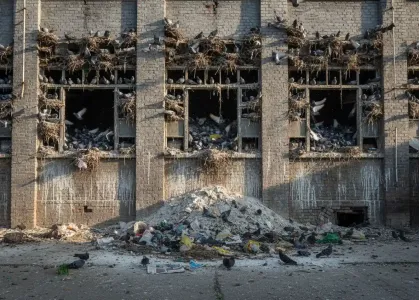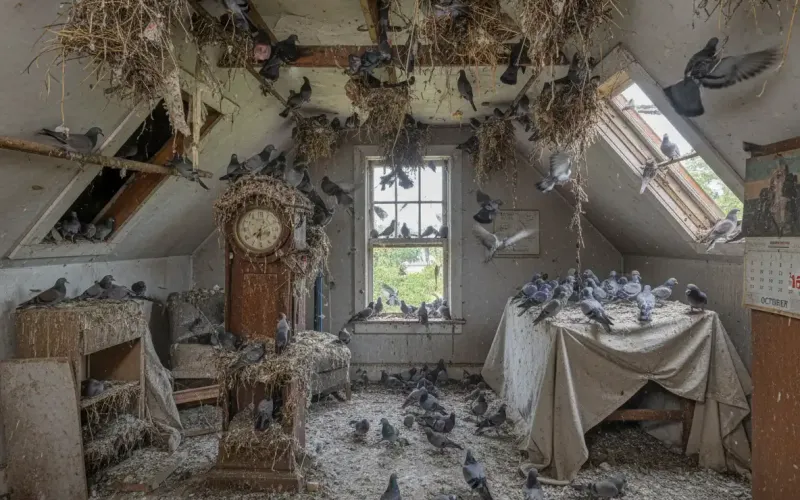
Repeat bird infestations do not happen by accident. They happen because the underlying behavior never changes. Temporary fixes move birds for a short time, but when the environment still feels safe, they return. Humane deterrence works differently. It changes how birds experience a structure, which reduces the cycle of departure and return.
Infestation Cycles Start With Habit Formation
Birds Build Routine Quickly
Once birds successfully perch or nest on a structure, they repeat the behavior daily. Familiarity lowers perceived risk.
Repetition Strengthens Territory Claims
Over time, birds treat the structure as established territory. Seasonal returns become predictable.
Why Traditional Methods Fail to Break the Cycle
Displacement Is Not Behavior Change
Loud noises, water sprays, or visual scare devices push birds away temporarily. They do not remove the comfort or reward that attracted birds in the first place.
Birds Adapt to Static Deterrents
If deterrents are predictable, birds learn to ignore them. Once adaptation occurs, the cycle continues.
Humane Deterrence Targets Instinct, Not Force
Immediate Sensory Feedback Changes Decisions
Humane systems create mild, consistent discomfort during landing attempts. Birds associate the location with instability rather than safety.
No Harm Means No Escalation
Because humane deterrence does not injure birds, it avoids creating stress patterns that lead to erratic behavior elsewhere on the structure.
Consistency Eliminates Retesting
Continuous Coverage Prevents Safe Zones
When every preferred landing area produces the same deterrent response, birds stop testing the structure.
New Habits Form in New Locations
As birds relocate, they establish new routines away from the protected site. The original structure drops out of their territory pattern.
Long-Term Benefits of Breaking the Cycle
Reduced Maintenance Work
Without recurring nesting, cleaning and repair frequency decreases significantly.
Lower Safety and Compliance Risk
Slip hazards, fire risk, and contamination exposure decline when birds no longer return.
Stable Operational Planning
Facilities move from reactive cleanup to predictable preventive management.
Ending the Cycle Requires Reliable Deterrence
Repeat infestations continue when birds are displaced but not retrained. Humane deterrence works because it reshapes behavior instead of forcing short-term movement. The key is maintaining consistent performance across all protected zones.
Symterra Pulse supports humane deterrence by providing real-time insight into system performance. It identifies weak areas and faults before birds can retest and reclaim territory. With verified, uninterrupted operation, facilities reduce repeat infestation cycles and achieve lasting prevention.