Operational stability depends on consistency. Schedules must hold, systems must perform, and environments must remain predictable. Bird activity works against all of these. When birds repeatedly roost and nest on a facility, they introduce unplanned work, safety risks, and disruptions that affect daily operations.
Long-term bird control improves operational stability by removing these variables before they interfere with normal workflows.
Bird Activity Introduces Unpredictable Disruptions
Unplanned Maintenance Tasks
Nest removal, droppings cleanup, and debris clearing often occur outside scheduled maintenance cycles. These tasks interrupt planned work.
Sudden Safety Hazards
Slip risks, blocked access points, and fire hazards from nesting material can appear without warning, forcing immediate response.
Recurring Issues Destabilize Operations
Repeated Service Calls
Facilities dealing with ongoing bird activity face frequent requests for cleaning, repair, and inspection.
Resource Reallocation
Maintenance teams shift focus from preventive work to reactive tasks, reducing overall efficiency.
Equipment and Systems Are Affected
Mechanical Performance Declines
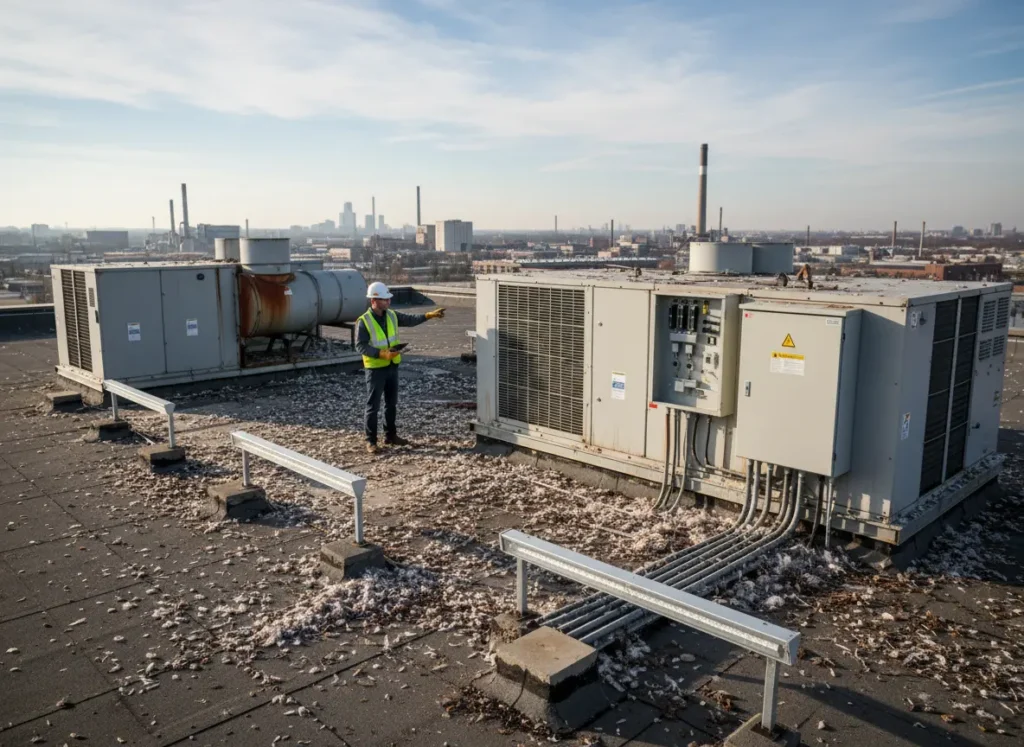
Bird debris can affect HVAC systems, lighting, and electrical components, leading to additional inspection and maintenance.
Access to Critical Areas Becomes Difficult
Nesting in structural or mechanical zones makes routine inspection and servicing more complex.
Long-Term Control Creates Predictable Conditions
Fewer Emergency Interventions
When birds are prevented from settling, the need for urgent cleanup and removal decreases.
Stable Maintenance Schedules
Maintenance teams can follow planned schedules without frequent interruptions.
Consistency Supports Operational Efficiency
Improved Workforce Productivity
Teams spend less time responding to unexpected issues and more time on planned tasks.
Better Planning Accuracy
Operations become more predictable when bird-related disruptions are removed from the equation.
Stability Comes From Eliminating Recurring Disruption
Operational stability improves when facilities remove the causes of disruption rather than reacting to them. Long-term bird control reduces unplanned work, safety risks, and system interference.
Symterra Pulse supports this stability by providing real-time visibility into deterrent system performance. It identifies weak zones and system faults before birds return and disrupt operations. With consistent, verified deterrence, facilities maintain stable and predictable operational environments.
Frequently Asked Questions
What is long-term bird control?
Long-term bird control is a strategy designed to prevent birds from landing, roosting, or nesting on a structure over time. Instead of dealing with birds after they become a problem, it works to stop recurring activity before it starts. This helps facilities avoid repeated disruption and maintain more stable conditions.
Why does bird activity affect operational stability?
Bird activity affects operational stability because it creates interruptions that are hard to predict. Droppings, nests, and debris can trigger unplanned maintenance, safety concerns, and equipment interference. When these issues happen repeatedly, they make daily operations less consistent and harder to manage.
How does long-term bird control improve operational stability?
Long-term bird control improves operational stability by removing one of the recurring causes of disruption. When birds are prevented from settling, facilities deal with fewer emergency cleanups, fewer safety incidents, and fewer interruptions to scheduled work. This makes the environment more predictable and easier to maintain.
What kinds of disruptions can birds cause in a facility?
Birds can cause a wide range of disruptions in operational environments. Common problems include droppings cleanup, blocked access points, nesting debris near equipment, and extra inspection or repair needs. These issues may seem small at first, but they often lead to larger interruptions over time.