Quick Answer
What are the pros and cons of bird netting?
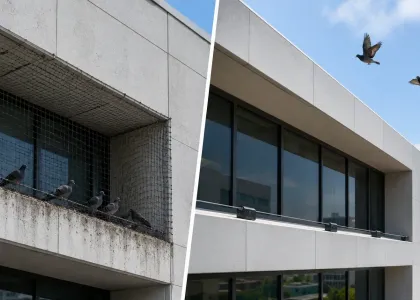
Bird netting can work well when birds must be physically blocked from a specific enclosed area, such as rafters, loading bays, signs, or structural gaps. The main drawbacks are installation complexity, inspection needs, repair work, sagging, storm damage, trapped debris, and gaps that allow birds to reenter. For larger commercial properties, behavior-based deterrents like Symterra Pulse may provide stronger long-term coverage with fewer netting-related maintenance issues.
Table of Contents
- Quick Answer
- What Is Bird Netting and How Does It Work?
- Is Bird Netting a Good Option for Buildings?
- How Effective Is Bird Netting for Warehouses and Commercial Buildings?
- Why Does Bird Netting Fail in High-Traffic Bird Pressure Environments?
- Where Is Bird Netting Most Commonly Used?
- What Are the Different Types of Bird Netting and Which Works Best?
- What Do Facilities Use Instead of Bird Netting?
- What Should You Check Before Installing Bird Netting on a Commercial Property?
- What Is a Better Long-Term Alternative to Bird Netting?
- Frequently Asked Questions
Looking Beyond Bird Netting?
Choose a bird control solution built for long-term prevention
Symterra helps commercial properties reduce bird pressure with a non-lethal deterrent system designed for lasting coverage, performance monitoring, and fewer weak spots.
View Symterra Bird ControlBird netting is one of the most common ways to block birds from roofs, rafters, warehouses, signage, gardens, and other open areas. It works by creating a physical barrier that keeps birds from entering or landing in protected spaces.
But bird netting is not always a simple long-term fix. Its performance depends on proper installation, mesh type, bird pressure, weather exposure, and ongoing maintenance. If the net sags, tears, leaves gaps, or becomes difficult to inspect, birds can return and the same problem starts again.
This guide explains how bird netting works, where it makes sense, why it fails in some commercial environments, and what facilities use when they need a cleaner long-term alternative.
| Comparison point | Bird netting | Behavior-based deterrence |
|---|---|---|
| Main purpose | Physically blocks birds from entering a defined area | Changes how birds experience the protected zone |
| Best use | Enclosed areas, rafters, loading bays, and gaps | Large commercial structures, rooftops, signs, ledges, and equipment zones |
| Maintenance needs | Requires inspections, tension checks, repairs, and debris removal | Requires proper planning and performance monitoring |
| Common failure point | Gaps, sagging, storm damage, poor attachment, or trapped debris | Weak coverage if the site is not planned correctly |
| Visual impact | Can be visible and may affect building appearance | Designed to reduce visible physical barriers |
| Root-cause control | Blocks access to one area but may move birds nearby | Helps reduce repeat activity by changing bird behavior |
| Long-term fit | Useful for specific exclusion zones | Stronger for broader commercial prevention |
What Is Bird Netting?
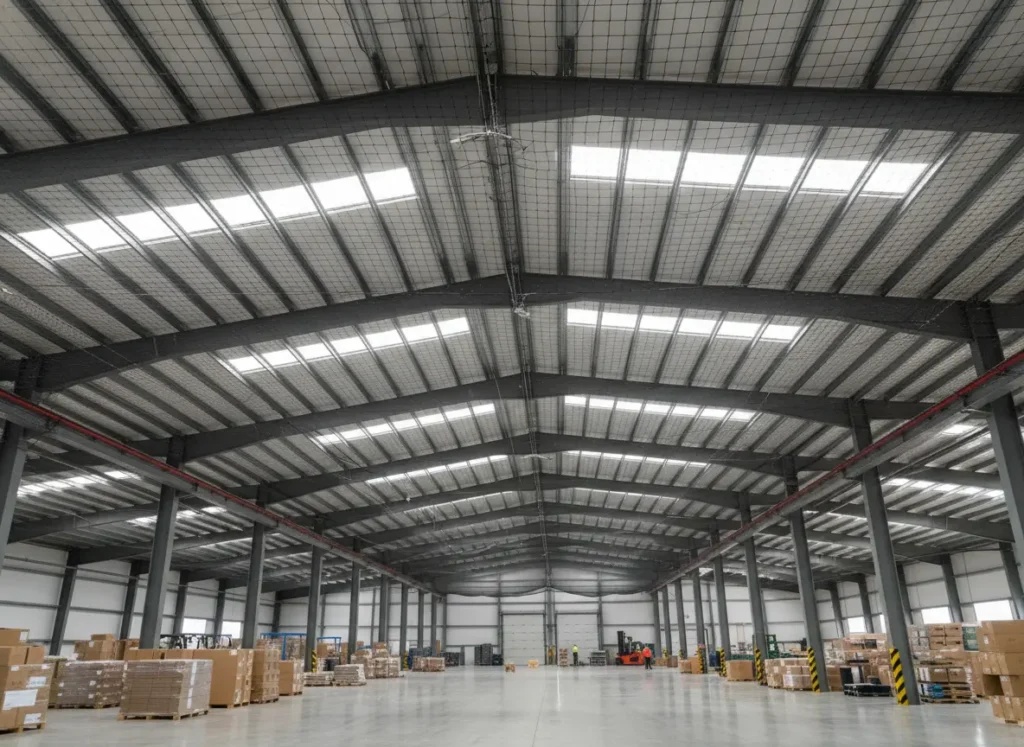
Bird netting is a mesh barrier used to physically block birds from accessing areas like roofs, rafters, gardens, or open structures. It can be effective when installed correctly, but it requires ongoing maintenance and may fail over time due to weather, wear, or heavy bird activity.
Bird netting has been around for decades as one of the go-to solutions for keeping birds out of certain areas. Farmers, property managers, and even homeowners use it to block access to roofs, crops, or open structures where birds might cause damage.
But how effective is bird netting really? And are there drawbacks you should know about before installing it? Let’s break it down.
QUICK ANSWER:
What is bird netting and is it effective for long-term bird control?
Bird netting is a physical barrier that blocks birds from accessing specific areas. It can be effective when installed correctly, but it requires ongoing maintenance and can fail over time due to weather, damage, or heavy bird activity. For long-term use, its reliability depends on consistent upkeep and proper installation.
Is Bird Netting Good for Buildings?
Bird netting for buildings works best when it blocks a specific enclosed or semi-enclosed area, such as rafters, open ceilings, or warehouse sections. It is less reliable on complex commercial buildings with hard-to-reach ledges, signage, rooflines, or areas exposed to wind and weather. Even small gaps, sagging sections, or damaged mesh can allow birds back in and restart the problem. For buildings with heavy bird pressure or long-term maintenance limits, netting often becomes a repair task instead of a permanent solution.
Bird Netting for Warehouses and Commercial Buildings
When installed correctly, bird netting is one of the more effective short-term solutions. It physically prevents birds from getting into specific spaces such as rafters, warehouses, and gardens. For certain situations, like protecting crops or open-air ceilings, it can work quite well.
That said, its effectiveness depends almost entirely on how well it is set up. Any small gap in the netting and birds will find a way through. Over time, weather conditions and wear can also reduce its effectiveness.
Why Bird Netting Fails in Heavy Bird Activity Areas
Bird netting can solve a problem in the short run, but it comes with some challenges:
- Aesthetic Impact on Commercial Properties: Netting can look unsightly, especially on commercial buildings.
- Ongoing Maintenance and Repair Requirements: Nets wear out with sun, wind, and rain, so they need to be replaced or repaired regularly.
- Risk of Bird Injury and Entanglement: Birds sometimes get tangled in the netting, which can cause injury or death.
- Bird Adaptation and Structural Failure Over Time: Birds are resourceful. Some species will peck or push through weak points in the netting.
If pigeons continue landing nearby or entering through weak points, it helps to understand why birds keep returning after netting fails. So while bird netting is effective in certain applications, it is not always the safest or most sustainable solution.
When Bird Netting May Not Solve the Root Problem
Bird netting may not solve the root problem when birds are using multiple parts of a property. Netting can block one opening, rafter area, or structural gap, but birds may shift to nearby roof edges, ledges, signs, HVAC areas, loading zones, or equipment spaces.
This is why commercial bird control should begin with site behavior, not just product selection. If the building still offers food access, safe perches, shelter, warmth, or nesting opportunities, birds may continue testing untreated areas.
In these cases, behavior-based deterrence may be a better long-term option because it focuses on changing how birds experience the protected structure rather than only blocking one access point.
For facilities that need broader protection, review the Symterra Bird Deterrent System and how it supports long-term commercial bird prevention.
Compare Bird Control Options
Compare Bird Netting With Symterra Pulse
If your facility is considering bird netting, Symterra can help compare exclusion netting with a behavior-based deterrent system designed for long-term commercial bird prevention, fewer weak zones, and less ongoing netting maintenance.
Request a Bird Control ComparisonWhere Is Bird Netting Most Commonly Used?
Bird netting is often used in:
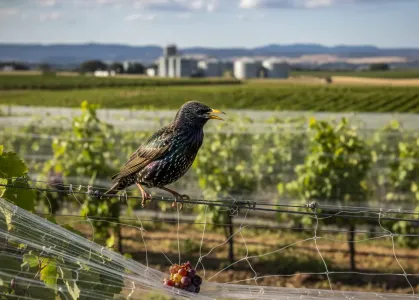
- Agriculture: Protecting fruit, vegetables, and crops from hungry birds.
- Warehouses and factories: Preventing birds from roosting in rafters or beams.
- Residential properties: Covering balconies, gardens, or open chimneys.
- Public spaces: Keeping pigeons away from stadiums, bridges, and monuments.
In each of these cases, success depends on careful installation and ongoing maintenance.
Types of Bird Netting
Not all bird netting is the same. The most common types include:
- Knotted vs. knotless: Knotted netting is more durable but heavier, while knotless netting is lighter and less visible.
- Polyethylene or polypropylene: Materials that resist UV rays and weathering, making them suitable for outdoor use.
- Fine mesh vs. heavy-duty mesh: Smaller mesh sizes keep out smaller birds, while larger nets are used for pigeons or seagulls.
Choosing the right type depends on the bird species you are trying to deter and the environment you are protecting.
When Bird Netting Makes Sense for Facilities
Bird netting makes sense when a facility needs to block birds from a defined space, such as rafters, canopies, warehouses, or open structural bays. It is less effective when the site has many access points, heavy bird pressure, or areas that are difficult to inspect. In those cases, facilities often need a broader deterrent strategy.
Bird Netting Alternatives for Facilities
If you are not sure netting is the right fit, here are some alternatives to consider:
- Bird spikes: Prevent birds from landing on ledges.
- Reflective surfaces: Use light to scare or confuse birds.
- Ultrasonic devices: Emit sounds designed to repel birds, though many species adapt quickly.
- Lasers and pigeon scarers: Create visual disturbances to scare birds temporarily.
- Electromagnetic deterrents: A newer, non-lethal option that helps prevent birds from landing, roosting, or nesting on your property.
Before choosing a physical barrier, it helps to compare bird deterrents that work beyond physical barriers and understand how each method performs over time.
What to Check Before Installing Bird Netting
Before you decide to use bird netting, it helps to understand whether your property is a good match for it. Netting works in certain environments, but only if a few conditions are in place.
Here’s what you should check first:
- Access and Installation Complexity
If the area is hard to reach, installing and maintaining netting becomes expensive and risky. - Existing Damage and Active Infestation
Droppings, nests, or corrosion need to be cleaned before installation. Netting placed over an active problem won’t fix anything. - Structural Strength and Mounting Points
Rafters, beams, and mounting points must be strong enough to support net tension. Weak areas can collapse or tear the net. - Level of Bird Pressure
Light bird activity is manageable with netting. Heavy bird pressure often overwhelms nets, creating holes and sagging points. - Long-Term Maintenance Capability
Netting only works when kept tight and clean. If you don’t have the time or resources for regular inspection, you’ll struggle to keep birds out.
By evaluating these factors early, property owners avoid wasted installation costs and choose the control method that fits their real situation.
Bird Netting vs Other Bird Deterrents
| Option | Pros | Cons | Best Use |
|---|---|---|---|
| Bird Netting | Blocks birds from enclosed areas when installed correctly. | Requires maintenance, can tear, can sag, and may fail if gaps appear. | Small enclosed areas, loading bays, beams, and covered spaces. |
| Visual or Noise Deterrents | Easy to install and low cost. | Birds often adapt once they realize the threat is not consistent. | Short-term disruption or temporary bird pressure. |
| Long-Term Deterrent System | Helps protect wider areas and supports ongoing bird prevention. | Requires proper planning and system placement. | Commercial properties, rooftops, signage, equipment areas, and large facilities. |
Bird netting vs Symterra Pulse
Netting blocks birds. Symterra Pulse helps prevent them from landing.
Bird netting can work for enclosed areas, but it often needs repairs, inspections, and replacement. Symterra Pulse uses electromagnetic bird deterrent technology to create a cleaner, long-term solution without covering your property in mesh.
Signs Bird Netting Is Failing
- The net is sagging
- Birds enter through small gaps
- Droppings appear below protected areas
- The net has tears or loose fasteners
- Birds nest around the edges
- Maintenance teams avoid inspecting it because access is difficult
Best Long-Term Alternative to Bird Netting
Bird netting has its place. It can be useful for certain agricultural or temporary applications. But when it comes to long-term, worry-free protection, netting often falls short. Birds adapt, nets wear out, and property owners end up dealing with the same problems again.
At Symterra, we take a different approach. Our electromagnetic bird deterrent system creates a safe, invisible barrier that birds cannot adapt to. Instead of blocking or scaring them, it redirects their navigation so your property no longer feels like a landing zone. It is non-lethal, long-lasting, and proven effective across a wide range of environments.
Facilities that want proven bird deterrent results can review Symterra’s efficacy study to see how the system performed in controlled evaluation.
So if you are looking for more than a quick fix, and want a solution that lasts, contact Symterra today to learn how we can keep your property bird-free without the hassle of netting.
See how Symterra Pulse helps commercial properties reduce recurring bird activity without relying only on physical netting.
Frequently Asked Questions
How Long Does Bird Netting Last? Bird netting typically lasts between 2 and 10 years depending on material quality, UV exposure, and bird pressure. In high bird pressure or outdoor commercial settings, expect degradation and maintenance requirements well before that.
Does Bird Netting Harm Birds? It can. Birds that fly into netting and cannot escape become entangled and may sustain injuries or die. This is a documented concern with netting installations that are not regularly inspected and maintained.
Is Bird Netting Effective for Pigeons? For pigeons specifically, netting has a mixed record. Pigeons are persistent and strong enough to push through deteriorating or improperly tensioned mesh. High pigeon pressure environments typically overwhelm netting over time.
What Is the Most Effective Long-Term Bird Deterrent? Electromagnetic deterrent systems have the strongest evidence base for long-term effectiveness in commercial environments. Unlike physical barriers that degrade or auditory devices that birds habituate to, electromagnetic systems interfere with birds’ navigation at a biological level. A University of Arizona efficacy study on the Symterra Pulse system supports this.
Can Bird Netting Be Used on Billboards and Signage? It is used, but it is a poor fit. Billboard and signage structures have complex geometry, high wind exposure, and are difficult to access for maintenance. Electromagnetic deterrents are better suited to this application because they require no physical coverage of the structure.