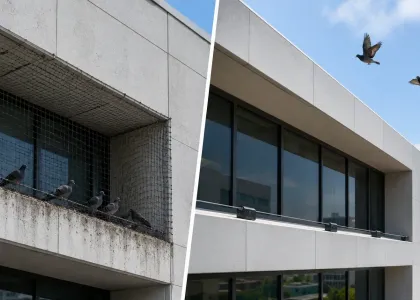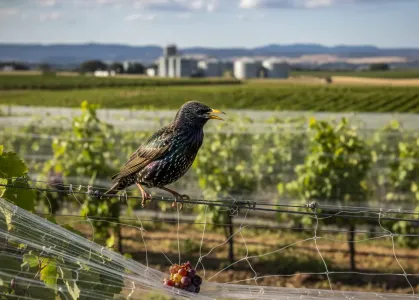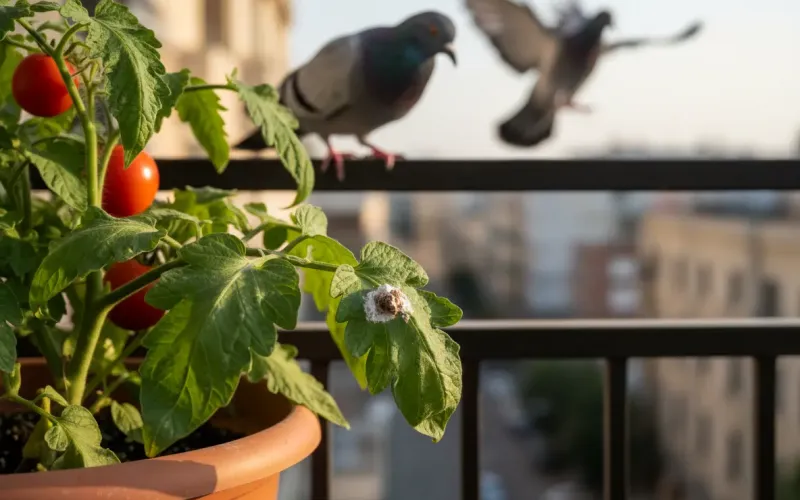
Food plants operate under strict hygiene and safety standards. Even minor contamination can trigger product loss, shutdowns, or regulatory violations. Birds pose a serious risk in these environments because they carry pathogens, create physical contamination, and move freely between outdoor and indoor zones. Preventing bird contamination requires a proactive and layered approach.
Quick Answer
How do you prevent bird contamination in food plants?
Bird contamination in food plants is prevented by reducing bird access to production zones, sealing entry points, managing waste areas, protecting loading docks, and applying long-term deterrence that stops birds from roosting or nesting near food handling environments. Cleanup alone is not enough because birds return if structural and behavioral attractants remain.
Bird Contamination Risk vs Prevention Table
| Risk source | Contamination impact | Prevention method |
|---|---|---|
| Birds in rafters and ceilings | Droppings fall into production or packaging zones | Full overhead deterrent coverage |
| Loading dock bird activity | Contaminates incoming/outgoing goods | Dock-area exclusion and deterrence |
| Waste and dumpster zones | Attracts recurring bird feeding behavior | Waste containment + access reduction |
| Ventilation openings | Birds enter processing environments | Entry-point sealing + deterrence |
| Roof ledges and HVAC units | Nesting leads to debris and droppings | Rooftop behavior-based control |
| Packaging storage areas | Risk of contamination before distribution | Interior-exterior separation strategy |
| Partial deterrent coverage | Birds shift to untreated zones | Whole-site behavioral deterrence |
Why Birds Are a Serious Risk in Food Plants
Birds Carry Harmful Pathogens
Bird droppings and feathers can contain bacteria and fungi that contaminate food products and surfaces. Once contamination occurs, entire production batches may require disposal or recall.
Learn more about exposure risks in health risks from bird droppings.
Birds Move Between Dirty and Clean Areas
Birds travel between dumpsters, rooftops, drains, and interior spaces. This movement spreads contaminants quickly across zones that are meant to stay isolated and controlled.
See how systems like Symterra Pulse help prevent cross-zone contamination.
Common Entry Points Birds Use
Open Doors and Loading Areas
Frequent door openings during deliveries give birds easy access. Loading docks, roll-up doors, and receiving bays are high-risk zones.
Bird entry risk is highest in commercial loading areas like commercial facilities.
Roof and Vent Openings
Birds enter through damaged vents, roof gaps, exhaust outlets, and poorly sealed penetrations. Once inside, they move toward warm and quiet areas.
Structural Gaps and Overhead Beams
Birds nest in rafters, pipe racks, and ceiling voids. These locations allow droppings and feathers to fall directly onto equipment and processing lines.
Areas Most Vulnerable to Contamination
Processing and Packaging Lines
Open food lines are extremely sensitive. Any droppings, feathers, or nesting debris can cause immediate shutdowns.
Symterra Pulse protects sensitive production environments from overhead contamination.
Storage and Cold Rooms
Birds seek shelter near stored ingredients and packaging. Contamination in these areas often spreads unnoticed until inspection.
Learn why bird deterrents fail without behavior-based control.
Waste Handling Zones
Trash areas attract birds first, then serve as staging points for entry into clean spaces.
Effective Prevention Strategies
Strict Sanitation and Waste Control
- Seal trash containers
- Remove food residue immediately
- Clean spills without delay
- Enforce daily dock cleaning
Reducing food availability lowers bird attraction.
Control Access Points
- Use fast-closing doors
- Install air curtains where possible
- Limit open-door time during deliveries
Shorter exposure reduces entry risk.
Use Non-Physical Bird Deterrents
Non-physical deterrents provide wide-area coverage without interfering with operations. These systems discourage birds from landing or nesting without harming wildlife.
Regular Inspections
Inspect rooftops, vents, beams, and dock areas for early signs of activity. Early detection prevents escalation.
Stop Bird Contamination Before It Spreads
Symterra can assess your food plant and design a long-term bird prevention strategy for production safety and compliance.
Request a Food Plant AssessmentImportance of Consistent System Performance
Bird deterrents fail when coverage weakens. Even a small inactive zone allows birds to return and contaminate sensitive areas. Food plants need deterrent systems that remain active at all times and provide visibility into performance.
Stop Bird Contamination in Food Plants
Get a full facility assessment to prevent contamination before it reaches production zones.Request Assessment
Protecting Food Safety With Continuous Monitoring
Preventing bird contamination in food plants requires more than physical barriers and cleanup routines. It depends on consistent deterrent performance across every high-risk zone.
Symterra Pulse supports this by monitoring electrical deterrent systems in real time. It detects voltage drops, identifies weak zones, and alerts teams before birds re-enter protected areas. With continuous monitoring, food plants maintain compliance, protect product integrity, and reduce contamination risk before it impacts operations.
Contact Symterra for a long-term bird contamination prevention plan.
Frequently Asked Questions
How do you prevent bird contamination in food plants?
By sealing entry points, controlling waste zones, and using behavior-based deterrence to stop birds from accessing production areas.
Why is bird contamination dangerous in food facilities?
It can cause product contamination, shutdowns, compliance violations, and health risks.
Is cleanup enough to solve bird problems?
No. Cleanup removes waste but birds return unless the source behavior is addressed.
Where do birds enter food plants most often?
Loading docks, roof vents, open doors, and structural gaps.
What is the best long-term solution?
A behavior-based deterrent system that prevents birds from landing and nesting consistently.