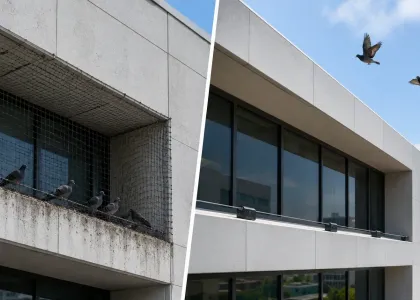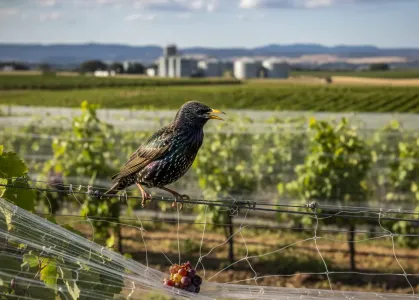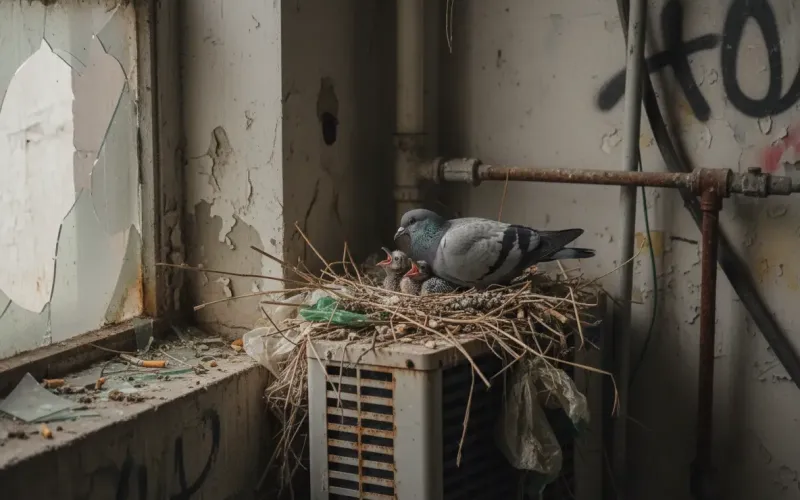
Many facilities respond to bird problems the same way each time. Birds appear. Nests are removed. Surfaces are cleaned. Temporary deterrents are installed. For a short period, activity decreases. Then the birds return and the cycle starts again.
Each intervention may seem manageable on its own. The real problem emerges over time. Repeated bird control actions accumulate costs across labor, equipment, repairs, and operational disruption. What looks like a minor maintenance issue becomes a compounding expense.
Quick Answer
Repeated bird control costs increase because cleanup, nest removal, equipment rental, contractor visits, asset repairs, and safety oversight keep returning when the root cause is not solved. Short-term fixes may reduce bird activity temporarily, but long-term prevention is needed to stop the cycle and control maintenance spending.
Estimate the Cost of Repeat Bird Problems
Recurring cleanup, access equipment, repairs, and labor can make bird control more expensive over time. Use Symterra’s cost calculator to better understand how repeated bird activity may affect your facility budget.
Estimate Long-Term Bird Control CostsShort-Term Fixes Create Recurring Work
Nest Removal Repeats Every Season
Birds rebuild nests quickly when conditions remain favorable. Maintenance teams return to the same locations year after year to repeat the same work.
Cleaning Becomes a Routine Task
Droppings accumulate beneath roosting areas. Walkways, loading docks, and structural beams require frequent cleaning cycles.
Repeated Bird Control Cost Table
| Recurring Activity | Cost Driver | Why It Keeps Increasing |
|---|---|---|
| Nest removal | Labor, access equipment, contractor visits | Birds rebuild when the site still feels safe |
| Dropping cleanup | Cleaning crews, safety equipment, disposal | Roosting continues when deterrence is incomplete |
| Temporary deterrent replacement | Materials, labor, inspection time | Birds adapt when the deterrent becomes predictable |
| Surface and asset repair | Corrosion repair, repainting, system maintenance | Droppings and debris keep affecting the same areas |
| Operational disruption | Delayed inspections, downtime, rescheduled work | Maintenance teams respond reactively instead of preventing recurrence |
Why Recurring Cleanup and Short-Term Fixes Increase Maintenance Spending
Recurring cleanup treats the visible result of bird activity, not the reason birds keep returning. When birds still have access to safe roosting, nesting, food, water, or shelter, the same areas become repeat service points.
Short-term fixes can also create a false sense of progress. A temporary decline in bird activity may look successful for a few weeks, but birds often retest the area when the deterrent becomes familiar or when untreated zones remain available nearby. Understanding how behavior-based deterrence works helps facilities choose strategies that reduce return behavior instead of relying only on temporary disruption.
Over time, the facility pays for the same problem through repeated labor, cleanup, inspections, contractor visits, lift rentals, asset repairs, and safety documentation. The cost is not only the bird control visit. It is the full maintenance cycle that comes with every return.
Labor and Equipment Costs Multiply
Access Equipment Is Required
Bird control often requires lifts, scaffolding, or rope access. Repeated interventions increase equipment rental and setup costs.
Specialized Contractors Add Expense
Facilities frequently rely on wildlife control services for nest removal and mitigation. Each visit adds additional labor charges.
Repeated Activity Accelerates Asset Wear
Corrosion and Surface Damage
Bird droppings degrade metal surfaces, coatings, and concrete over time. Repairs that should occur occasionally become recurring maintenance tasks.
Drainage and System Damage
Nesting debris clogs drains and interferes with mechanical systems. Maintenance teams must clear blockages and inspect affected equipment.
Operational Disruption Adds Hidden Costs
Maintenance Schedules Shift
Unexpected bird activity interrupts planned inspections and repairs. Teams divert time from preventive maintenance.
Safety Monitoring Increases
Slip hazards, fire risks, and contamination concerns require additional oversight and documentation.
Hidden Bird Control Costs Facility Managers Often Miss
The most visible cost is usually cleanup. The larger expense often comes from the work surrounding the cleanup. Bird problems can affect multiple departments, assets, and schedules at the same time.
- Lift rental or access equipment for rooftops, signage, beams, and utility areas
- Safety setup before crews can work near droppings or nesting debris
- Delayed inspections when nests block equipment access
- Additional documentation for safety, sanitation, or compliance concerns
- Replacement of damaged coatings, fixtures, wiring, drainage components, or solar panel bird control related repairs
- Customer-facing cleanup near storefronts, sidewalks, loading areas, or parking spaces
- Repeat scheduling with vendors or wildlife control providers
- Internal labor diverted away from preventive maintenance
These hidden costs are why small bird problems can become expensive even when each individual service call appears manageable.
The Cost Curve Builds Gradually
Small Expenses Add Up
Individually, each intervention appears minor. Over multiple years, however, repeated cleanup, equipment rental, and repairs significantly increase operating costs.
Deferred Damage Leads to Capital Repairs
If bird activity continues long enough, structural deterioration may require major restoration work.
One-Time Bird Control vs Long-Term Prevention
| Approach | What It Solves | Long-Term Impact |
|---|---|---|
| One-time cleanup | Removes droppings, nests, and visible debris | Birds may return if site conditions do not change |
| Temporary deterrents | Creates short-term disruption | Effectiveness can decline when birds adapt |
| Reactive service calls | Addresses active bird problems after they appear | Maintenance costs continue repeating |
| Long-term prevention | Reduces the conditions that allow birds to return | Helps stabilize maintenance cost and reduce repeat interventions |
Who Should Track Repeated Bird Control Costs?
Repeated bird control costs matter most for teams responsible for asset protection, safety, maintenance planning, and operational continuity. The issue is not limited to pest control. It is part of bird activity as an operational risk because recurring bird problems can affect safety, maintenance, compliance, and long-term cost.
- Facility managers responsible for maintenance budgets
- Operations directors managing downtime and service disruptions
- Property managers handling tenant or customer complaints
- Maintenance supervisors coordinating cleanup and repairs
- Asset managers protecting rooftops, signage, equipment, and solar systems
- Commercial building owners looking to reduce recurring service costs
- Solar operators protecting system performance and access
Breaking the Cycle Reduces Long-Term Expense
Repeated bird control interventions compound costs because they treat symptoms rather than preventing the cause. Long-term prevention changes the cost curve by eliminating the need for repeated response.
Symterra Pulse supports long-term bird prevention as a commercial bird deterrent system that helps reduce repeat bird activity around commercial structures. Instead of relying only on cleanup or temporary deterrents, the system is designed to help facilities prevent birds from settling into the same areas again.
For facility teams, the value is not only bird reduction. It is cost control. When bird pressure drops, teams can reduce repeated cleanup, limit emergency service calls, protect assets, and keep maintenance schedules more predictable.
Symterra Pulse supports long-term prevention by providing real-time visibility into deterrent system performance. It identifies weak zones and system faults before birds return. With verified deterrence in place, facilities reduce repeat interventions and stabilize long-term maintenance costs.
Stop Paying for the Same Bird Problem Repeatedly
Recurring cleanup and short-term fixes can drain maintenance budgets without solving the cause. Symterra helps facilities shift from repeated response to long-term bird prevention.
Request a Long-Term Bird Prevention PlanFrequently Asked Questions About Repeated Bird Control Costs
Why does bird control become more expensive over time?
Bird control becomes more expensive over time when facilities keep paying for cleanup, nest removal, repairs, equipment access, and contractor visits without stopping birds from returning.
Why do short-term bird deterrents fail to control long-term costs?
Short-term deterrents may reduce bird activity temporarily, but birds can adapt when the deterrent becomes predictable or when nearby untreated areas remain available.
How can facilities reduce repeated bird cleanup costs?
Facilities can reduce repeated cleanup costs by shifting from reactive service calls to long-term prevention. This means addressing the conditions that attract birds and using deterrence that reduces return behavior.
Is long-term bird prevention cheaper than recurring cleanup?
Long-term prevention can reduce total cost by limiting repeat cleanup, repairs, labor, and service calls. The best approach depends on the site size, bird pressure, access needs, and maintenance history.
When should a facility replace short-term bird control with a prevention plan?
A facility should consider a prevention plan when the same bird problem returns after cleanup, when service calls repeat seasonally, or when bird activity begins affecting safety, equipment, operations, or maintenance budgets.