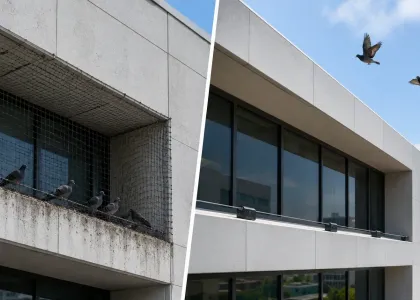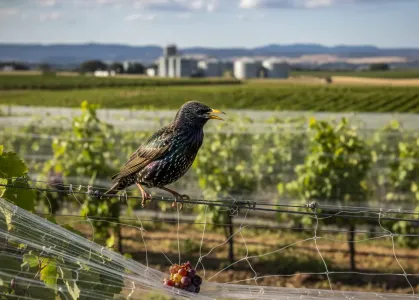
Annual maintenance planning is supposed to be predictable. Labor hours, cleaning schedules, inspections, and repairs are forecasted months in advance. Bird issues disrupt that predictability. When bird control is reactive, it forces facilities to constantly revise plans, reassign crews, and absorb unplanned costs. Long-term bird control changes that equation.
Quick Answer
Long-term bird control improves annual maintenance planning by reducing surprise cleanup, emergency repairs, labor disruptions, and recurring service calls. When birds are prevented from settling on a property, facility teams can plan work more accurately, protect assets, and keep maintenance budgets more predictable throughout the year.
Reactive Bird Issues Break Maintenance Forecasts
Unplanned Cleanup Becomes Routine
Bird droppings, nests, and debris trigger emergency cleaning. These tasks are rarely budgeted accurately because they depend on when birds return, not when crews are scheduled.
Labor Gets Pulled From Priority Work
When bird issues spike, maintenance teams shift focus away from preventive tasks. This delays inspections, repairs, and asset preservation work.
Maintenance Planning Before vs After Long-Term Bird Control
| Planning Area | Before Long-Term Bird Control | After Long-Term Bird Control |
|---|---|---|
| Cleanup schedules | Crews respond when droppings, nests, and debris return | Cleanup becomes less frequent and easier to forecast |
| Labor planning | Maintenance teams are pulled away from planned work | Teams can stay focused on preventive maintenance tasks |
| Repair budgets | Unexpected repairs appear when bird activity causes damage | Asset protection becomes easier to include in annual planning |
| Service calls | Emergency bird-related work interrupts the schedule | Fewer surprise calls help stabilize maintenance workflows |
| Budget forecasting | Bird activity creates variable, hard-to-predict costs | Costs become easier to separate, track, and plan |
Long-Term Bird Control Stabilizes Workloads
Fewer Emergency Tasks
When birds are prevented from settling, cleanup and nest removal drop sharply. Maintenance work becomes planned instead of reactive.
Predictable Scheduling
Crews follow established routines rather than responding to surprise issues. This improves efficiency and reduces overtime.
Budget Planning Becomes More Accurate
Reduced Variable Costs
Recurring expenses such as lift rentals, specialized cleaning, and emergency repairs decline when birds no longer return.
Clear Separation Between Maintenance and Prevention
Bird control shifts out of the maintenance budget and into infrastructure planning. This makes year-over-year forecasting more reliable.
Facilities can also use the bird control cost calculator to better understand how recurring cleanup, repairs, and service calls may affect annual maintenance budgets.
Reducing Surprise Cleanup, Repairs, and Emergency Service Calls
Annual maintenance plans become difficult to manage when bird activity creates work that was not scheduled. Droppings, nests, blocked drains, damaged surfaces, and contaminated access areas can force teams to respond before normal maintenance tasks can continue.
Long-term bird control helps reduce those interruptions by preventing birds from settling before the damage cycle starts. When bird activity drops, facilities can reduce surprise cleanup, emergency service calls, lift rentals, contractor visits, rushed repairs, and repeated bird control costs.
This gives facility managers more control over labor hours, vendor scheduling, and annual budget planning. Instead of adjusting the plan every time birds return, teams can focus on asset preservation, routine inspections, and planned maintenance work.
Less Wear Means Fewer Repairs
Slower Surface Degradation
Without constant droppings and nesting debris, coatings, concrete, lighting, and signage last longer.
Fewer Drainage and Water Issues
Preventing nesting reduces clogged drains and standing water, lowering repair frequency and inspection findings.
Maintenance Planning Gains Flexibility
Teams Focus on Asset Preservation
Instead of chasing recurring bird issues, maintenance staff can prioritize lifecycle-based work such as sealant renewal, corrosion prevention, and system upgrades.
Fewer Last-Minute Adjustments
Annual plans remain intact throughout the year, reducing stress on managers and contractors.
Predictable Maintenance Starts With Verified Prevention
Long-term bird control reduces annual maintenance planning because it removes uncertainty. When birds stop returning, cleanup, repairs, and safety risks stop reappearing on the schedule. A commercial bird deterrent system can help facilities move away from reactive bird control and toward more stable maintenance planning.
Symterra Pulse supports this outcome by providing real-time visibility into deterrent system performance. It identifies weak zones and system issues before birds return and disrupt maintenance plans. With verified deterrence in place, facilities shift from reactive adjustments to stable, predictable annual planning.
Make Bird Control Part of Your Maintenance Plan
Recurring bird issues can disrupt annual planning, increase emergency work, and pull crews away from scheduled maintenance. Symterra helps facilities evaluate long-term bird control options that support cleaner, more predictable operations.
Request a Facility Bird Control AssessmentFrequently Asked Questions About Long-Term Bird Control and Maintenance Planning
How does long-term bird control improve annual maintenance planning?
Long-term bird control improves annual maintenance planning by reducing surprise cleanup, emergency repairs, nest removal, contractor visits, and labor disruptions caused by recurring bird activity.
Why do bird problems make maintenance budgets harder to forecast?
Bird problems make budgets harder to forecast because droppings, nests, debris, and property damage often return outside the planned maintenance schedule. This creates variable costs that are difficult to predict.
What maintenance tasks can be reduced with long-term bird control?
Facilities may reduce emergency cleanups, nest removal, drainage inspections, lift rentals, surface repairs, and unplanned service calls when birds are prevented from settling on the property.
Why is reactive bird control harder to manage?
Reactive bird control is harder to manage because it responds after birds return. That forces teams to adjust labor schedules, delay planned work, and absorb unplanned costs.
When should a facility request a bird control assessment?
A facility should request a bird control assessment when bird issues keep appearing in the annual maintenance plan, disrupt crew schedules, increase cleanup costs, or create repeated repair needs.