Every facility carries a long list of ownership costs. Cleaning, inspections, repairs, safety management, compliance reporting, and capital improvements all contribute to the total cost of ownership. Bird activity quietly increases many of these costs. While the impact may appear small in a single maintenance cycle, the cumulative effect over years can be significant.
Long-term bird prevention changes that financial trajectory by reducing recurring expenses and protecting infrastructure assets.
Bird Activity Creates Hidden Operating Costs
Recurring Cleanup Work
Bird droppings require frequent cleaning on walkways, loading docks, rooftops, and parking structures. What begins as occasional cleanup often becomes routine maintenance.
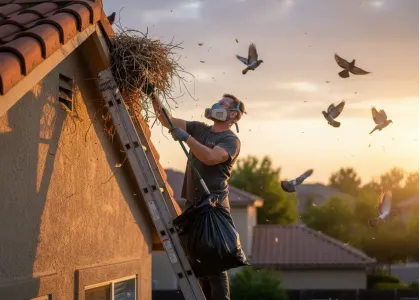
Repeated Nest Removal
Birds rebuild nests quickly. Each removal requires labor, equipment, safety planning, and sometimes regulatory coordination.
Infrastructure Wear Drives Repair Costs
Corrosion and Surface Damage
Acidic droppings accelerate deterioration of metal components, coatings, and concrete surfaces. Repairs that should occur years apart begin appearing more frequently.
Blocked Drainage and Water Damage
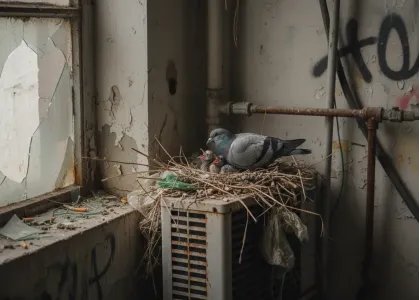
Nesting debris clogs drains and gutters, creating standing water that damages structures and equipment.
Safety and Liability Costs Increase
Slip Hazard Mitigation
Droppings on ramps and walkways increase the risk of slip incidents. Facilities respond with additional cleaning and monitoring.
Fire Risk Management
Nesting material near electrical or mechanical equipment increases inspection requirements and remediation work.
Operational Disruptions Add Indirect Costs
Maintenance Schedule Interruptions
Unexpected bird activity forces teams to shift resources away from planned work.
Compliance and Documentation Effort
Facilities must record incidents, corrective actions, and inspections when bird-related hazards occur.
Long-Term Prevention Changes the Cost Structure
Reduced Recurring Maintenance
When birds stop roosting and nesting, cleanup and removal work declines significantly.
Longer Asset Lifespan
Structures, coatings, and equipment last longer without repeated exposure to droppings and debris.
Stable Budget Forecasting
Predictable conditions allow facility managers to plan maintenance budgets with greater accuracy.
Prevention Is a Financial Strategy
Long-term bird prevention reduces total cost of ownership by eliminating recurring cleanup, slowing infrastructure deterioration, and lowering safety and compliance risks. Instead of absorbing repeated expenses, facilities stabilize operating costs and protect asset value.
Symterra Pulse supports this strategy by providing real-time visibility into deterrent system performance. It identifies weak zones and system faults before birds reestablish activity. With verified deterrence in place, facilities maintain long-term prevention and control ownership costs over the life of the asset.