Quick Answer
Physical bird barriers create ongoing maintenance needs because netting, spikes, mesh, fasteners, and mounting points can weaken, shift, clog, or break down over time. Weather, debris, building movement, and bird pressure can create gaps that require repeated inspection, repair, cleaning, and replacement. Behavior-based deterrents can reduce dependence on fragile physical materials by discouraging birds from returning across wider areas.
Physical bird barriers have been used for decades. Nets, spikes, and mesh systems are installed to block birds from landing or nesting on structures. While these solutions may reduce activity in the short term, they often introduce a different long-term problem. Physical barriers create maintenance dependencies that require ongoing attention, repair, and replacement.
Over time, these systems shift bird control from a prevention strategy into a continuous maintenance obligation.
Bird Barriers vs Behavior-Based Bird Deterrents
| Bird Control Method | Main Purpose | Common Maintenance Issue | Long-Term Concern |
|---|---|---|---|
| Bird netting | Blocks access to enclosed areas | Tears, sagging, debris buildup, and loose fasteners | Requires repeated inspection and repair |
| Bird spikes | Prevents landing on narrow surfaces | Sections break, loosen, bend, or leave gaps | Birds may move to nearby untreated areas |
| Mesh systems | Covers vents, openings, or structural gaps | Corrosion, clogging, and attachment failure | Can restrict airflow, drainage, or maintenance access |
| Visual deterrents | Scares birds temporarily | Birds adapt when the threat becomes predictable | Often loses effect without variation or reinforcement |
| Behavior-based deterrent system | Discourages birds from returning across wider zones | Requires performance monitoring and proper placement | Reduces dependence on fragile physical barriers |
A commercial bird deterrent system can help facilities reduce dependence on physical barriers by discouraging birds from returning across wider areas instead of only blocking one surface or opening.
Physical Barrier Maintenance Cost Table
| Maintenance Issue | What Causes It | Cost Impact |
|---|---|---|
| Netting repair | Wind, UV exposure, bird pressure, sagging, and torn sections. | Requires repeat inspections, labor, replacement material, and access equipment. |
| Loose spikes | Weather, surface movement, adhesives breaking down, or debris buildup. | Creates new landing gaps and requires repeated reattachment or replacement. |
| Debris removal | Leaves, nesting material, feathers, trash, and droppings trapped in barriers. | Adds cleaning labor and may require roof, lift, or ladder access. |
| Blocked airflow or drainage | Mesh, netting, or debris collecting around vents, drains, gutters, and roof equipment. | Can create secondary maintenance problems beyond bird control. |
| Hard-to-access repairs | Barriers installed on rooftops, signs, beams, ledges, canopies, or elevated structures. | Increases cost through lift equipment, safety planning, and contractor mobilization. |
| Bird relocation | Birds move from blocked zones to nearby untreated areas. | Facilities may pay for more barriers, expanded coverage, and repeated adjustments. |
Bird Netting vs Spikes vs Behavior-Based Deterrence
| Solution | Best Use | Maintenance Dependency | Best Long-Term Fit |
|---|---|---|---|
| Bird netting | Enclosing specific spaces where birds need to be physically blocked. | Needs inspection for tears, sagging, trapped debris, and loose fasteners. | Best for contained areas with manageable access for repairs. |
| Bird spikes | Discouraging landing on narrow ledges, signs, beams, or roof edges. | Can loosen, bend, collect debris, or leave gaps birds can exploit. | Best for small, specific landing points with easy maintenance access. |
| Mesh barriers | Protecting vents, openings, and structural gaps. | May clog, corrode, or restrict airflow and drainage if not maintained. | Best when airflow, drainage, and equipment access can still be preserved. |
| Behavior-based deterrence | Reducing repeat bird activity across wider commercial facility zones. | Requires monitoring and system oversight, not constant physical repair. | Best for facilities where birds keep relocating or where barriers create too much maintenance work. |
What Are Bird Barrier Systems and Where Do They Fall Short Over Time?
Bird barrier systems include spikes, netting, mesh, and other physical installations designed to block birds from landing or nesting on structures. While these systems can limit access to specific areas, they rely heavily on material strength and proper installation to remain effective. Over time, exposure to weather and structural movement weakens these barriers, making them prone to gaps, damage, and reduced performance. As a result, facilities often shift from using barriers as a one-time solution to managing them as an ongoing maintenance task.
Tired of repairing bird barriers again and again?
Symterra helps commercial facilities reduce dependence on netting, spikes, and repeated repairs with a long-term bird deterrent system designed for wider coverage and ongoing performance visibility.
Request a Site RecommendationWhy Do Bird Spikes and Netting Degrade So Quickly Outdoors?
How Weather Destroys Bird Barrier Installations Over Time
Wind, heat, rain, and UV exposure gradually weaken barrier materials. Nets stretch, fasteners loosen, and mounting points degrade.
Why Building Movement Creates Gaps That Birds Exploit
Buildings expand, contract, and shift slightly over time. These small movements can create openings that allow birds to enter protected areas.
How Often Do Physical Bird Barriers Need to Be Repaired or Replaced?
Small Failures Lead to Access Points
Even a small tear in netting or a missing spike section can allow birds to enter and rebuild nests behind the barrier.
Why Repairing Bird Netting in High-Access Areas Costs More Than Expected
Barrier systems are commonly installed in high or difficult locations. Maintenance crews may need lifts, scaffolding, or rope access to perform repairs.
Why Netting, Spikes, and Barriers Create Ongoing Maintenance Needs
Physical bird barriers depend on materials staying in place. That creates a maintenance issue because outdoor commercial environments are constantly changing. Wind, rain, heat, debris, roof movement, equipment access, and bird pressure can weaken or shift barrier systems over time.
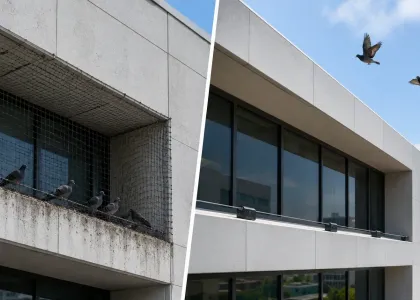
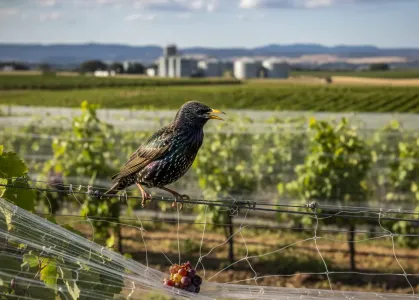
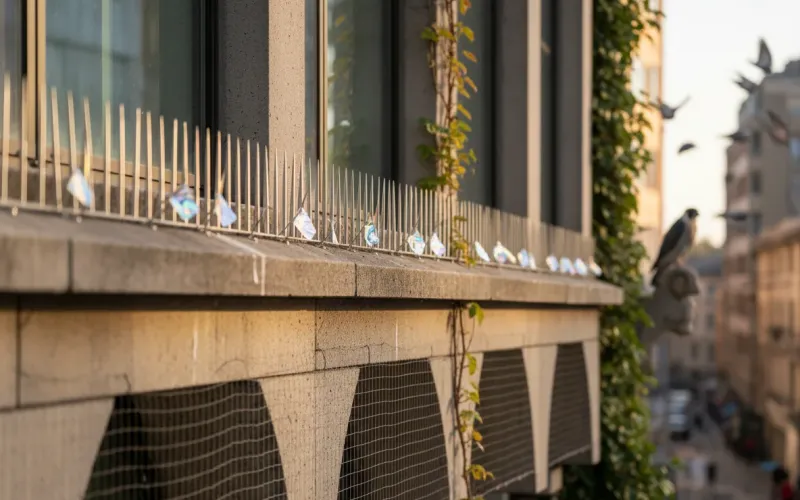
Netting can sag, tear, or collect debris. Spikes can bend, loosen, or become covered with nesting material. Mesh systems can corrode, clog, or block access to vents, drains, and equipment. When any part of the system fails, birds can exploit the opening and return to the protected area.
For facility teams, the challenge is not only the original installation. It is the repeated inspection, cleaning, repair, and replacement cycle that follows. Over time, physical bird barriers can become another asset that must be maintained instead of a long-term solution that reduces maintenance workload. Understanding how behavior-based deterrence works helps facilities compare physical barriers with strategies designed to reduce return behavior.
Why Barrier Repairs Become Expensive in Hard-to-Access Facility Areas
Physical bird barriers are often installed in the hardest places to reach. Rooftops, signs, beams, canopies, ledges, vents, loading dock structures, and elevated equipment zones may all require special access when repairs are needed.
That access cost can quickly become larger than the repair itself. A small tear in netting, a loose spike strip, or a damaged mesh section may require lifts, ladders, scaffolding, roof access, after-hours scheduling, safety planning, and contractor mobilization.
For facility managers, this means physical barriers can create hidden labor and access costs. The barrier may look inexpensive at installation, but repeated repairs in difficult areas can turn it into a long-term maintenance dependency.
Signs Your Bird Barrier System Is Becoming a Maintenance Problem
A bird barrier system becomes a maintenance problem when the facility spends more time repairing the barrier than preventing bird activity. This often happens when birds keep returning, barriers develop gaps, or crews need frequent access equipment to inspect hard-to-reach areas.
Common warning signs include:
- Netting starts sagging, tearing, or pulling away from attachment points
- Birds enter through small gaps near edges or corners
- Spikes become loose, bent, missing, or covered with debris
- Nesting material builds up behind the barrier
- Drainage, airflow, or rooftop equipment access gets restricted
- Maintenance teams need repeated lift, ladder, or roof access
- Birds move from treated zones to nearby untreated surfaces
When these issues repeat, the barrier no longer works as a simple fix. It becomes another system the facility must maintain.
How Bird Netting Traps Debris and Creates New Maintenance Problems
Nets Trap Leaves and Nesting Material
Physical barriers can collect debris over time, especially in outdoor environments. This buildup adds weight and stress to the system.
Blocked Drainage and Ventilation
When debris accumulates around barrier systems, airflow and drainage can be affected, creating additional maintenance concerns.
Hidden Maintenance Problems Caused by Netting, Spikes, Mesh, and Mounting Hardware
Physical bird barriers can create maintenance issues that are not obvious during installation. Over time, materials loosen, debris collects, and small gaps appear. These issues can reduce performance while also creating new work for facility teams.
- Netting: Can sag, tear, trap leaves, collect nesting material, and hide birds or debris behind the barrier.
- Spikes: Can bend, detach, collect droppings, or leave gaps when installed around uneven surfaces.
- Mesh: Can clog with debris, corrode, restrict airflow, or interfere with drainage and ventilation.
- Fasteners and mounting hardware: Can loosen from weather, building movement, corrosion, or surface wear.
- Adhesives: Can weaken under heat, moisture, UV exposure, or dirty surfaces.
When these problems repeat, the bird barrier becomes another asset that must be inspected, cleaned, repaired, and replaced. That weakens the value of the original installation and increases total facility maintenance cost.
Do Birds Move to New Areas When Physical Barriers Block Their Original Roost?
Alternative Landing Zones Appear
If a barrier blocks one area, birds often move to nearby beams, ledges, or equipment mounts.
Repeated Adjustments Become Necessary
Facilities may add more spikes, expand netting, or modify installations as birds relocate to new zones.
What Is the Long-Term Cost of Relying on Physical Bird Barriers?
Systems Should Operate Without Constant Repair
Facilities benefit from deterrent strategies that do not rely on fragile materials or frequent adjustment. Facilities can use the bird control cost calculator to compare recurring repair, cleaning, access, and replacement costs against a longer-term prevention strategy.
Consistent Coverage Prevents Relocation
Deterrence that influences bird behavior across the entire structure reduces the need for ongoing barrier expansion.
Why Commercial Facilities Need More Than Physical Bird Barriers
Commercial facilities often deal with bird activity across multiple zones, not one isolated ledge. Loading docks, rooftops, signs, vents, HVAC equipment, canopies, and exterior beams all create possible landing or nesting areas.
Physical barriers work best when the problem stays limited to one controlled area. The challenge starts when birds relocate, materials wear down, or the building has too many exposed access points. At that stage, facility teams need a strategy that reduces bird pressure across the property instead of adding more physical materials every time birds move.
A long-term bird control plan should help reduce cleanup, limit repeat repairs, protect equipment access, and give facility managers better visibility into whether the deterrent system is working.
Compare Symterra Pulse With Physical Barriers
If netting, spikes, or mesh keep creating repair work, Symterra can help evaluate whether a behavior-based bird deterrent system is a better long-term fit for your facility.
Compare Symterra Pulse With Physical BarriersMaintenance Dependence Increases Long-Term Costs
Physical barriers often solve immediate bird access problems but create ongoing maintenance requirements that grow over time. Repairs, debris removal, and repeated adjustments become part of the facility’s maintenance workload. This is why many facilities compare barrier repair work against long-term bird control and maintenance planning.
Symterra Pulse helps reduce these dependencies by providing real-time visibility into deterrent system performance. It identifies inactive zones and system faults before birds return to vulnerable areas. With consistent, verified deterrence, facilities shift away from constant barrier maintenance toward long-term prevention.
Reducing Dependence on Physical Bird Barrier Repairs
Physical bird barriers can still be useful in controlled areas, but commercial facilities often need a broader prevention strategy when birds keep relocating or when barriers become expensive to maintain. A long-term plan should reduce repeated cleanup, repair work, access costs, and expansion of physical materials.
Facilities can learn more about Symterra Pulse and how behavior-based bird deterrence works. Symterra also supports industrial and warehouse facilities, commercial and retail facilities, signs and billboards, and utility, signal, and power transmission sites where access and maintenance costs can add up quickly.
Facility teams can also review the Symterra efficacy study or use the bird control cost calculator to evaluate the long-term value of reducing repeated barrier repairs.
Move beyond constant bird barrier maintenance
If bird netting, spikes, or mesh keep creating repair work, Symterra can help evaluate your site and recommend a longer-term deterrent approach.
Schedule a ConsultationFrequently Asked Questions
Why do physical bird barriers require ongoing maintenance?
Physical bird barriers rely on materials that degrade over time. Exposure to weather, building movement, and environmental stress weakens nets, spikes, and mounting points. This creates a need for regular inspection, repair, and replacement.
How does weather affect bird netting and spikes?
Weather conditions such as wind, heat, rain, and UV exposure gradually break down barrier materials. Nets can stretch or tear, while fasteners and adhesives lose strength. Over time, these changes reduce the effectiveness of the barrier.
Can building movement affect barrier performance?
Yes, buildings naturally expand, contract, and shift slightly over time. These movements can create small gaps in barrier systems. Birds often find and exploit these openings to regain access.
How often do physical bird barriers need repairs?
Physical barriers may require repairs whenever damage or gaps appear. Even small issues like a torn net or missing spike section can allow birds to enter. This makes maintenance frequent and sometimes unpredictable.
Ready to move beyond constant barrier repairs?
Symterra helps facilities reduce dependence on spikes, netting, and repeated maintenance by shifting bird control toward long-term prevention.
Request a consultation