Pigeon Behavior and Control for Commercial Buildings
Quick Answer
Why do pigeons become a problem on commercial buildings?
Pigeons become a problem on commercial buildings when they find reliable food, shelter, nesting space, and safe landing areas. Their behavior is driven by site loyalty, so once they settle, they often return repeatedly. Effective pigeon control must reduce roosting, nesting, droppings, and repeat landing behavior before the site becomes familiar.
Pigeon behavior creates persistent problems for commercial buildings because pigeons do not choose roosting and nesting sites randomly. They look for food, shelter, safe landing areas, nesting access, and familiar structures they can return to again and again.
Once pigeons settle on rooftops, ledges, beams, signs, loading areas, parking structures, or HVAC zones, the problem often grows beyond appearance. Droppings can create cleanup costs, odor, slip risks, surface damage, parasite concerns, and maintenance complaints. Nests can block drains, vents, and equipment access.
The most important thing to understand about pigeon control is site loyalty. If the building still feels safe and reliable, pigeons may continue returning even after cleanup. Long-term pigeon control needs to address behavior, not only the mess left behind.
Why Pigeons Become a Property Problem
Pigeons become a problem because commercial properties often give them everything they need to survive. Rooflines, ledges, beams, signs, HVAC areas, parking structures, loading docks, and covered spaces all create safe places to land and roost.
Once pigeons settle, the issue grows fast. Droppings build up, nests block drainage or equipment areas, and parasites may spread near occupied spaces. These problems affect building appearance, maintenance costs, safety, and customer experience.
The bigger issue is repeat behavior. Pigeons remember safe locations and return to them often. This is why property owners need prevention, not only cleanup.
Learn more about the risks of bird droppings, compare different bird deterrents, and see how the Symterra bird deterrent system helps protect commercial properties.
Pigeon Behavior and Facility Risk Table
| Pigeon behavior | What it means for commercial buildings | Facility risk |
|---|---|---|
| Roosting on ledges, beams, signs, and roof edges | Pigeons use elevated surfaces as safe resting points | Droppings, staining, odor, and repeat cleanup |
| Nesting in sheltered areas | Pigeons choose protected spaces near equipment, vents, and structural gaps | Blocked drains, debris buildup, and maintenance access issues |
| Returning to familiar sites | Pigeons remember places that provide food, shelter, and safety | Recurring bird pressure even after cleanup |
| Feeding near waste areas | Open trash, food debris, and nearby feeding sources keep pigeons close | Larger flocks, more droppings, and higher sanitation concerns |
| Loafing around loading docks and parking areas | Pigeons gather where there is shelter and low disturbance | Slip risks, customer complaints, and vehicle contamination |
| Breeding repeatedly | Pigeons can produce multiple broods when conditions are favorable | Faster population growth and harder long-term control |
Why Do Pigeons Keep Returning to the Same Building?

The common pigeon (Columba livia) that thrives throughout the United States and all continents except Antarctica. Feral pigeons developed from the European rock dove and were introduced into this country as a domesticated bird. When these birds’ escaped captivity, they formed feral populations, creating a pigeon problem.
How Do Pigeons Choose Where to Roost?
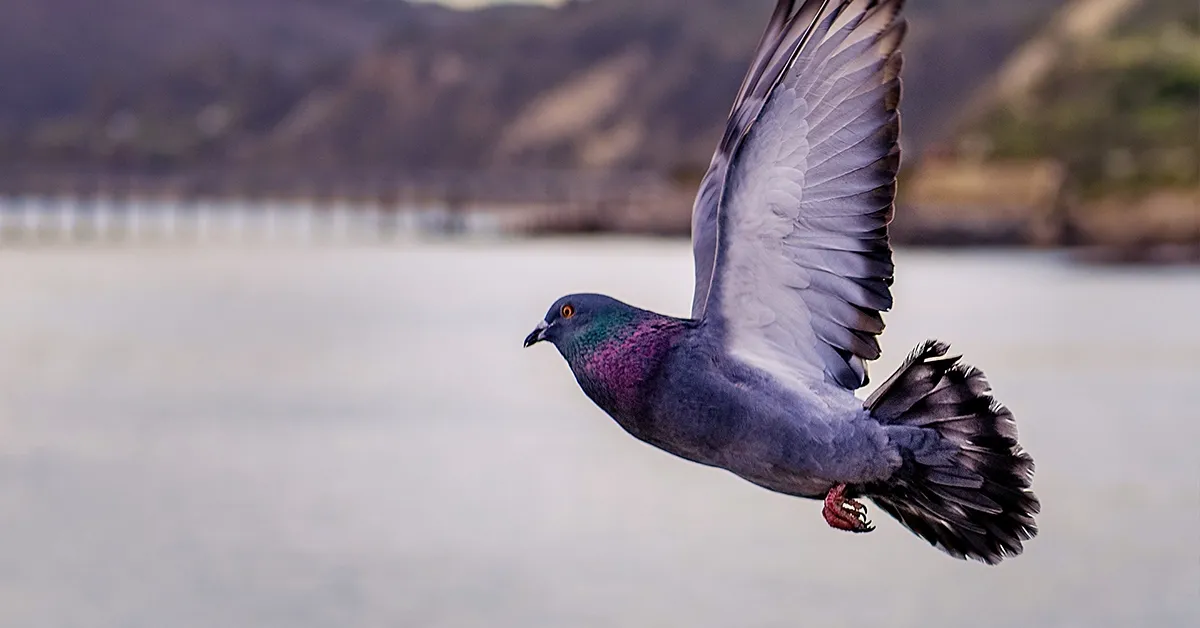
Pigeons have short, muscular bodies. With a height of 12 to 13.5 inches with weight of 10 to 13oz. The color of their feathers vary but is usually gray, with green, blue and purple glitters. They have short, yellow beaks with a slight curve. Today, the pigeon is probably the most serious bird pest associated with human habitations.
Pigeons are likely most known for their feasting habits pigeons will happily eat just about anything they can find, from seeds and grains to garbage- which is why they thrive so well in human populated areas. Pigeons are commonly found around farmyards, grain elevators, feed mills, parks, city buildings, bridges and other areas that provide roosting, loafing and nesting sites and nearby food sources. They are also a common sight around commercial buildings and food production facilities.
The Health Risks Linked to Pigeon Droppings

Pigeons and their bird droppings have been implicated in the transmission of diseases such as pigeon ornithosis, encephalitis and salmonella food poisoning. However, disease outbreaks that are directly attributed to pigeon flocks are rare.
Pigeon manure, if allowed to accumulate, can harbor the causal agent of histoplasmosis, a systemic fungus disease that affects the human respiratory tract. In severe cases, histoplasmosis can be fatal.
Parasites and Safety Hazards Caused by Pigeons
The external parasites of pigeons include various species of mites, fleas, ticks and bugs. In addition to being a threat to human health, pigeons can be a threat to human safety, particularly around airports, where pigeon flocks have collided with aircraft, causing human fatalities. And, in slip and fall accidents as their droppings are greasy and can be very slippery.
The Economic Impact of Pest Pigeons
There are 400 million pigeons in the world. In the USA alone, the negative economic impact is in the tens of millions of property damage, product damage, lost time clean-up of droppings and injury to people, The cost of mitigation and pigeon deterrents by themselves reach into the tens of millions each year as well. And the population of pigeons is continuing to grow.
Why Pigeons Are Hard to Deter Once They Settle
Pigeons are highly loyal to places that provide food, shelter, and safety. Once they choose a roosting or nesting site, they return to it repeatedly, often for years.
They can breed year-round in mild climates and raise multiple broods, so a small pigeon issue can quickly grow into a major infestation. Deterrents installed after pigeons settle are far less effective and more expensive.
This is why early action matters. Preventing pigeons from landing in the first place is always easier than removing them after nests and droppings appear.
Need a Pigeon Deterrent Plan for Your Building?
Symterra helps commercial properties reduce pigeon roosting, nesting, droppings, and repeat site activity with a long-term deterrent strategy built around building layout and bird behavior.
Request a Pigeon Deterrent PlanWhat’s Next: Bird Netting, Spikes, and Other Deterrents
Some tactics to get rid of pigeons include pigeon control products meant to scare pigeons, act as bird repellent, or discourage the act of pigeons congregating. The best pigeon repellents act before pigeons land and have a chance to cover your home or business in unsightly and unhealthy pigeon poop. In the next episode, I will discuss bird spikes, their positives and negatives, their place in the control of pigeons, and their value as a pigeon deterrent.