Quick Answer
Birds ignore deterrents when they learn the stimulus is predictable, harmless, or easy to avoid. This is called habituation. Common scare tactics often fail because they do not change bird behavior or remove the reason birds keep returning to the property.
Long-term bird control works better when the deterrent strategy focuses on bird behavior, site pressure, landing zones, roosting areas, and the conditions that make the property attractive to birds.
Table of Contents
- Quick Answer
- Why Birds Stop Responding to Repeated Deterrents
- What Bird Habituation Is and Why It Matters
- Why Temporary Bird Deterrents Lose Effectiveness
- What Prevents Habituation Over the Long Term
- Why Birds Return When a Deterrent Weakens or Fails
- Preventing Habituation Requires Continuous System Awareness
Bird deterrents often fail not because birds are stubborn, but because birds learn fast. When a deterrent stimulus repeats without real consequence, birds adapt. Over time, what once caused avoidance becomes background noise. Understanding how this learning process works explains why some deterrents stop working and why others succeed long term.
Choose a Bird Deterrent Built Around Behavior
If birds keep returning after you install scare devices, spikes, ultrasonic repellers, or visual deterrents, the problem needs a stronger strategy.
Symterra helps commercial properties move beyond predictable scare tactics with a behavior-based bird deterrent solution designed for recurring landing, roosting, and nesting pressure.
Simple Explanation of Bird Habituation
Bird habituation happens when birds get used to a deterrent after repeated exposure.
At first, a sound, light, movement, or object may startle them. Over time, they test the area and learn whether the deterrent creates a real threat.
If nothing changes, birds stop reacting.
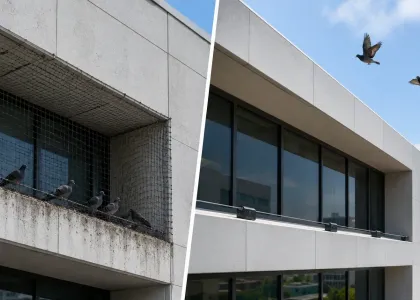
That is why pigeons, starlings, gulls, sparrows, and other nuisance birds often return to the same rooftops, ledges, signs, loading docks, utility structures, and outdoor areas even after deterrents are installed.
The issue is not that birds are stubborn. The issue is that birds learn what is safe.
Why Common Bird Deterrents Fail
| Common Deterrent | Why It Fails | What Birds Learn |
|---|---|---|
| Fake predators | They do not move or behave like real threats | The object is harmless |
| Reflective tape | The reflection and movement become familiar | The area is still safe |
| Noise makers | Repeated sounds lose impact over time | The sound does not create danger |
| Ultrasonic devices | The sound repeats without consequence | The sound does not block access |
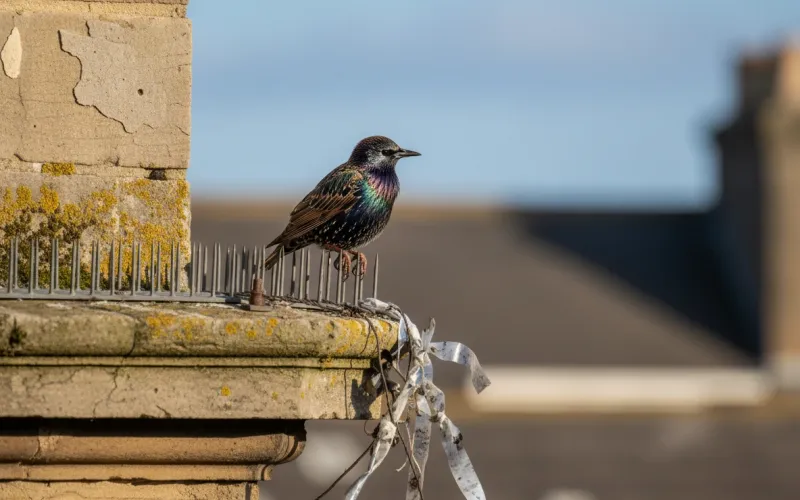
| Spikes | They only protect narrow surfaces | Nearby landing spots are still available |
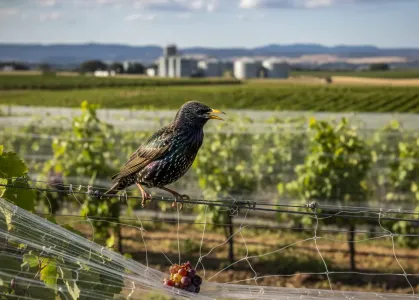
| Netting | Poor installation leaves gaps | Birds can enter through weak points |
| Lights | Fixed timing becomes predictable | The pattern can be ignored |
| Water sprays | Coverage is limited and inconsistent | The area can still be tested |
Why Birds Keep Returning After Deterrents Are Installed
Birds return when the property still gives them what they want.
Common reasons include:
- Safe landing areas
- Protected nesting spots
- Food nearby
- Water nearby
- Warm surfaces
- High vantage points
- Open gaps in coverage
- Familiar roosting areas
- Low human activity during certain hours
A deterrent fails when it only tries to scare birds without changing their behavior around the site.
For example, a fake owl may startle birds for a short time. But once birds see that the owl never hunts, moves, or creates danger, they ignore it.
The same pattern happens with sound devices, reflective objects, lights, and other predictable deterrents.
What Works Better Than Predictable Bird Deterrents?
A stronger bird control plan should answer three questions:
- Where are birds landing?
- Why are birds returning?
- What pressure points need long-term coverage?
For commercial properties, the best approach is not a single scare device. It is a site-specific deterrent strategy built around bird behavior.
This matters for:
- Warehouses
- Food processing plants
- Utility towers
- Commercial rooftops
- Billboards
- Stadiums
- Retail centers
- Government buildings
- Agricultural facilities
The goal is to make the site less usable for birds, not only scare them for a few minutes.
Simple Explanation of Bird Habituation
Bird habituation happens when birds get used to a deterrent after repeated exposure. At first, a sound, light, movement, or object may startle them. Over time, they test the area and learn whether the deterrent creates a real threat.
If nothing changes, birds stop reacting. This is why pigeons, starlings, gulls, and other nuisance birds often return to the same rooftops, ledges, signs, loading docks, and outdoor structures even after deterrents are installed.
A stronger bird control plan focuses on behavior. It looks at where birds land, why they return, and which pressure points need a more consistent deterrent system.
Why Common Bird Deterrents Fail
| Common Deterrent | Why It Fails | What Birds Learn |
|---|---|---|
| Fake Predators | They do not move or behave like real threats. | The object is harmless. |
| Reflective Tape | The movement and reflection become familiar. | The area is still safe to enter. |
| Noise Makers | Repeated sounds lose impact over time. | The sound does not create real danger. |
| Spikes | They only protect narrow surfaces and may leave nearby landing spots open. | Another nearby surface is available. |
| Ultrasonic Devices | Birds adapt when the sound repeats without consequence. | The sound does not block access. |
Why Birds Stop Responding to Repeated Deterrents
When a Deterrent Repeats Without Consequence
Birds constantly assess risk. When a sound, light, or movement repeats without causing discomfort or instability, birds stop responding. The stimulus becomes predictable and therefore safe.
How Birds Learn a Stimulus Is Safe to Ignore
What initially feels alarming becomes normal through repeated exposure. Once birds learn that nothing happens after the stimulus, they ignore it completely.
What Bird Habituation Is and Why It Matters
What Habituation Looks Like in Real Environments
Habituation occurs when birds remain perched despite active deterrents. They may pause briefly, then continue resting, nesting, or roosting as if the deterrent does not exist.
Which Bird Deterrents Birds Ignore the Fastest
- Static visual decoys
- Repeating noise patterns
- Intermittent water sprays
- Lights with fixed timing
Without variation or consequence, these methods lose effectiveness.
Choose a Bird Deterrent Built Around Behavior
Symterra helps properties move beyond predictable scare tactics with a behavior-based bird deterrent solution designed for recurring landing, roosting, and nesting pressure.
Explore Symterra Bird Deterrent SystemsWhy Temporary Bird Deterrents Lose Effectiveness
Birds Constantly Test Boundaries
Birds do not accept deterrents at face value. They test, observe, and retest. If repeated exposure produces no negative outcome, they mark the area as usable.
How One Bird Can Train the Whole Flock
Birds learn from each other. Once one bird ignores a stimulus safely, others follow. This accelerates failure across the entire site.
What Prevents Habituation Over the Long Term
Sensory Feedback That Reinforces Avoidance
When a deterrent creates immediate discomfort during landing, birds associate the surface with risk. This type of feedback prevents habituation.
Why Unpredictability Blocks Adaptation
Stimuli that feel unstable or unavoidable stop birds from forming safe expectations. This blocks the learning loop that leads to ignoring deterrents.
Why Birds Return When a Deterrent Weakens or Fails
Gaps Teach Birds the Site Is Safe Again
If deterrents weaken, shut off, or fail in specific zones, birds quickly relearn that the site is usable. Even short lapses reset progress.
Continuous Feedback Stops Retesting
When every landing attempt produces the same response, birds stop experimenting. Over time, they remove the site from their routine entirely.
Preventing Habituation Requires Continuous System Awareness
Birds learn to ignore deterrents when stimuli repeat without consequence or consistency. Habituation is not random. It is a predictable learning response. Long-term success depends on deterrent systems that deliver reliable sensory feedback without gaps.
Symterra Pulse supports this by providing real-time visibility into deterrent system performance. It identifies weak zones, voltage drops, and system faults before birds can learn that a deterrent no longer works. With continuous oversight, facilities prevent habituation and maintain long-term avoidance instead of repeated adaptation.
Frequently Asked Questions
Why do birds learn to ignore deterrents?
Birds learn to ignore deterrents through a process called habituation. When a stimulus repeats without any real consequence, they recognize it as safe. Over time, the deterrent becomes background noise instead of a threat.
What is bird habituation?
Bird habituation is when birds stop responding to repeated stimuli that do not affect them. This happens when sounds, lights, or visual deterrents appear often but cause no discomfort. Once learned, the behavior is difficult to reverse.
Why do repeated deterrents lose effectiveness?
Repeated deterrents lose effectiveness because birds test and observe patterns. If nothing happens after multiple exposures, they adapt and ignore it. Predictability makes the deterrent ineffective.
Which deterrents do birds ignore the fastest?
Birds tend to ignore static and predictable deterrents quickly. These include fake predators, repeating sounds, fixed lights, and intermittent sprays. Without variation or consequence, these methods fail over time.
How do birds test whether a deterrent is safe?
Birds approach cautiously and observe the response of the environment. They may land briefly, retreat, and return again to test conditions. If no negative outcome occurs, they continue using the space.