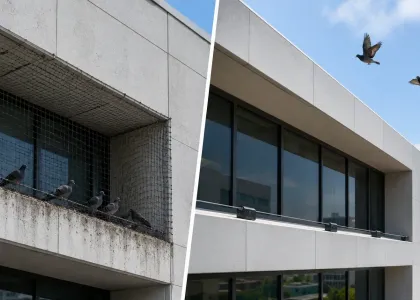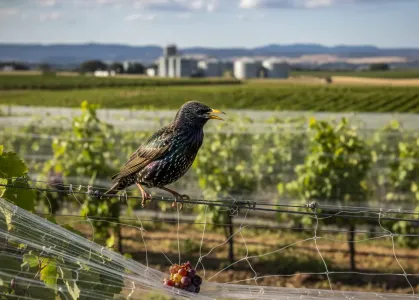
A building gets cleaned. Nests are removed. Surfaces are washed. For a few weeks, everything looks resolved. Then the birds return.
This pattern is common because clearing a building does not change how birds evaluate it. Temporary fixes remove evidence of activity but leave the underlying conditions intact. When the structure still feels safe and usable, birds come back.
Quick Answer
Why do birds keep coming back after cleanup?
Birds keep coming back after cleanup because cleaning removes droppings, nests, and debris, but it does not change the conditions that attracted birds in the first place. If ledges, beams, rooftops, signs, vents, food sources, and sheltered areas still feel safe and usable, birds may return and restart the same pattern. Long-term prevention requires consistent deterrence that changes how birds experience the structure.
| Reason birds return | Why cleanup alone does not fix it |
|---|---|
| Strong site memory | Birds remember structures that previously provided shelter, height, and stability. |
| Safe landing areas remain | Ledges, beams, roof edges, signs, and equipment zones may still feel usable. |
| Food or water is nearby | Birds return when the surrounding area still supports daily activity. |
| Nesting gaps stay open | Birds may rebuild if vents, corners, rafters, and gaps are still accessible. |
| Deterrent coverage has gaps | Birds quickly find untreated or inactive zones. |
| Human activity is predictable | Birds learn when crews leave and retest the quiet structure. |
| Temporary fixes fade | Cleaning, sound devices, scare tools, and partial barriers may not create lasting change. |
Long-Term Bird Prevention
Need Birds to Stop Coming Back?
If birds keep returning after cleanup, nest removal, or temporary deterrents, Symterra can help assess the structure and recommend a long-term deterrent strategy built around bird behavior, site layout, and repeat activity zones.
Request a Bird Deterrent Assessment“Cleared” Does Not Mean “Unattractive”
Birds Remember Productive Sites
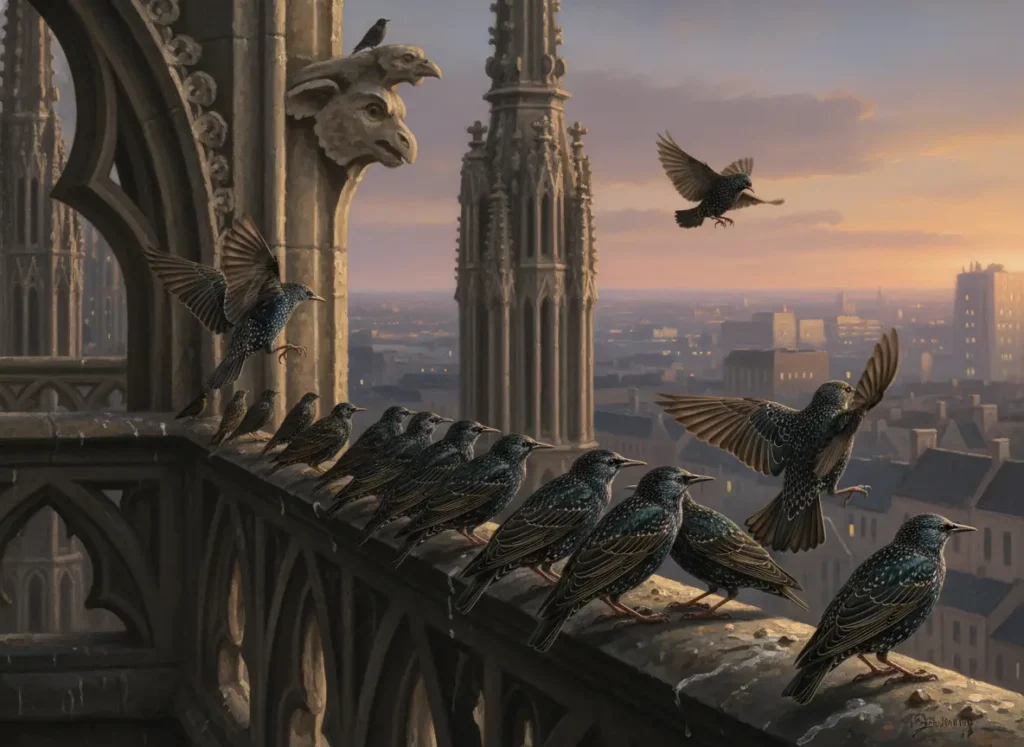
Birds have strong spatial memory. If a building previously offered shelter, height, and stability, they retain that location in their routine.
Removal Does Not Change Comfort
Cleaning droppings and removing nests restores appearance but does not alter the physical features that attracted birds in the first place.
Temporary Fixes Create False Confidence
Short-Term Displacement Is Mistaken for Success
When birds leave after nest removal or disturbance, it may appear that the problem is solved. In reality, birds are waiting for conditions to stabilize.
Gaps Signal Opportunity
If deterrent systems are incomplete or inconsistent, birds quickly identify safe landing zones and resume activity.
Why Cleanup Does Not Change Bird Behavior
Cleanup can make a building look clear, but it does not teach birds that the structure is no longer usable. If birds can still land comfortably, find shelter, access food, or reach familiar nesting areas, they may treat the cleanup as a temporary disturbance rather than a permanent change.
This is why bird problems often return after a few quiet weeks. The structure still offers the same rooflines, ledges, beams, vents, signs, and equipment areas that worked before. Once activity around the site slows down, birds may retest those areas and rebuild their routine.
A long-term bird control strategy should focus on behavior, not just appearance. The goal is to make the building consistently unsuitable for landing, roosting, and nesting.
Predictable Human Activity Encourages Return
Birds Learn Maintenance Patterns
Birds observe when crews are active and when the site becomes quiet again. Once disturbance ends, they retest the structure.
Quiet Periods Reinforce Territory
Buildings with limited daily disruption allow birds to reestablish perching habits quickly.
Why Adaptation Happens So Quickly
No Negative Feedback During Landing
If birds land comfortably after a “fix,” they confirm the structure is still usable. You can also review whether common bird deterrents work long term and why some temporary tools lose effectiveness.
Familiar Layout Accelerates Reoccupation
Because the physical structure has not changed, birds return to the exact same beams, ledges, and equipment clusters.
Long-Term Change Requires Behavior Shift
Surface Experience Must Change
For birds to stop returning, landing must feel consistently unstable or uncomfortable.
Every Zone Must Be Protected
Partial deterrence encourages birds to relocate within the same structure rather than abandon it.
Long-Term Prevention for Commercial Buildings
Commercial buildings need long-term prevention because bird activity often moves across multiple zones. Birds may shift from one treated ledge to another roof edge, sign frame, HVAC area, beam, loading dock, or sheltered corner if the full structure is not addressed.
For facility teams, repeat bird activity can create recurring cleanup, blocked drains, surface damage, odor, nesting debris, slip hazards, equipment access issues, and repeated service calls. A one-time cleanup may remove the mess, but prevention reduces the cycle that keeps creating the cost.
The strongest approach starts with a site assessment. Identify where birds land, roost, nest, and return after disturbance, then apply consistent deterrent coverage across the areas birds are most likely to reuse. For more detail on behavior-based prevention, review how Symterra’s bird deterrent system works.
Cleared Buildings Stay Cleared Only With Continuous Deterrence
Birds return to cleared buildings because temporary fixes address symptoms, not behavior. Without consistent deterrent coverage, the structure remains attractive territory.
Symterra Pulse supports long-term prevention by monitoring deterrent system performance in real time. It identifies weak zones and inactive areas before birds reclaim them. With verified, uninterrupted coverage, buildings remain protected instead of cycling through repeated clearance and return. Learn more about Symterra Pulse and how it supports long-term bird deterrence for commercial structures.
Stop Repeat Bird Activity
Move Beyond Cleanup and Temporary Fixes
Birds come back when the structure still feels safe and useful. Symterra helps commercial properties reduce repeat bird activity with a non-lethal, behavior-based deterrent strategy designed for long-term prevention.
Request a Site RecommendationFrequently Asked Questions
Why do birds keep coming back after a building is cleaned?
Cleaning removes visible evidence of bird activity but does not change the conditions that attracted birds in the first place. Birds have strong spatial memory and retain locations that previously offered shelter, height, and stability. Once the site is quiet again after cleaning, they return to test whether it is still usable.
Why do birds return after nest removal?
Removing a nest eliminates the physical structure but not the birds’ association with the site. If the building still feels safe and usable during landing, birds will retest it and rebuild. Nest removal without ongoing deterrence is a temporary measure, not a solution.
Do birds come back to the same spot every year?
Yes. Birds use spatial memory to return to locations that previously provided shelter, food, or nesting success. Rooftops, ledges, and structural beams that worked before are retested each season especially when no consistent deterrence has been applied in between.
Why do temporary bird deterrents stop working?
Temporary deterrents fail because birds learn to distinguish real threats from predictable, harmless stimuli. If a deterrent produces no actual consequence when birds land or approach, they stop reacting to it. Inconsistent or incomplete coverage also leaves gaps that birds quickly identify and exploit.
How do you stop birds from coming back permanently?
Permanent prevention requires changing how birds experience the site, not just removing evidence of past activity. Consistent deterrence across all zones, with no gaps or downtime, causes birds to reassess the structure as unsuitable. When every landing attempt produces the same uncomfortable response, birds abandon the site and establish new routines elsewhere.
Why do birds return to buildings that already have deterrents installed?
Birds return when coverage is partial, the deterrent is predictable, or quiet periods allow them to retest the structure. Gaps in coverage signal opportunity. Birds shift to unprotected zones and re-establish activity from there making partial installation effectively no installation at all.
Why do birds come back after nests are removed?
Birds come back after nests are removed because the structure may still provide shelter, height, warmth, food access, and safe landing areas. Removing the nest clears the visible problem, but it does not remove the conditions that made the site useful to birds.
How do you stop birds from returning to the same building?
To stop birds from returning to the same building, identify where they land, roost, nest, and retest the structure. Then remove attractants, close access points where possible, and use consistent deterrent coverage across the active zones.