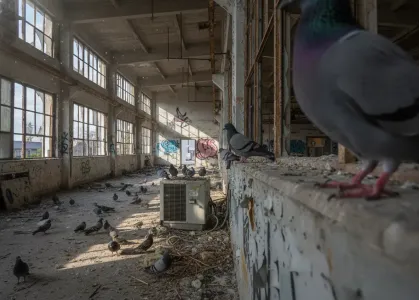
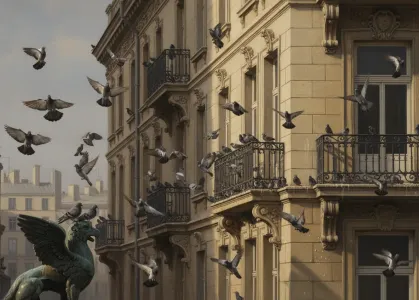
Parking structures are designed for load, weather exposure, and long service life. They are not designed for continuous wildlife occupation. When bird activity becomes established in a garage, the effects extend beyond surface cleaning. Over time, droppings, nesting debris, and moisture interaction contribute to ongoing structural issues that compound year after year.
What begins as a nuisance often evolves into measurable asset deterioration.
Acidic Droppings Accelerate Concrete Degradation
Surface Coatings Break Down Faster
Bird droppings contain uric acid. On coated concrete decks and beams, repeated exposure degrades sealants and protective finishes.
Concrete Becomes More Porous
Once protective layers fail, moisture penetrates more easily. This increases freeze-thaw stress in colder climates and long-term surface weakening.
Corrosion of Reinforcing Steel
Moisture Retention Around Dropping Zones
Accumulated droppings trap moisture against concrete surfaces. Persistent damp conditions increase the likelihood of corrosion in embedded reinforcement.
Rust Expansion Causes Cracking
As steel corrodes, it expands. This internal pressure leads to cracking and spalling, which require structural repair if left unchecked.
Drainage Blockage Creates Water Stress
Nesting Material Clogs Floor Drains
Twigs, feathers, and debris from nesting areas often migrate into drains and scuppers.
Standing Water Increases Structural Load
Blocked drainage results in ponding. Prolonged standing water accelerates surface wear and stresses structural elements.
Damage to Metal Components and Fixtures
Corrosion of Railings and Light Poles
Droppings on metal surfaces accelerate oxidation. Over time, handrails, light mounts, and exposed fasteners deteriorate.
Degradation of Electrical Enclosures
Nesting near lighting fixtures and junction boxes introduces debris and moisture, increasing inspection and repair frequency.
Increased Inspection and Repair Cycles
More Frequent Condition Assessments
Recurring bird activity forces additional inspections to monitor corrosion, cracking, and drainage performance.
Higher Lifecycle Repair Costs
Minor deterioration becomes structural rehabilitation when bird activity persists across multiple seasons.
Why Recurrent Activity Drives Long-Term Asset Risk
Bird Behavior Is Predictable
If deterrence is inconsistent, birds return to the same beams and ledges repeatedly.
Structural Stress Compounds Gradually
Damage from droppings and moisture does not appear immediately. It builds slowly, increasing long-term capital expense.
Structural Protection Requires Consistent Prevention
Bird activity in parking structures contributes to ongoing structural issues by accelerating corrosion, weakening coatings, blocking drainage, and increasing inspection demands. Cleaning alone does not stop the cycle. Preventing repeat occupation is the only way to stabilize long-term structural health.
Symterra Pulse supports this goal by providing real-time visibility into deterrent system performance. It identifies weak zones before birds reestablish roosting areas. With verified, continuous deterrence, parking structures maintain structural integrity and reduce long-term repair costs.