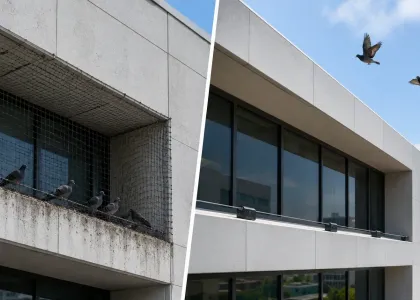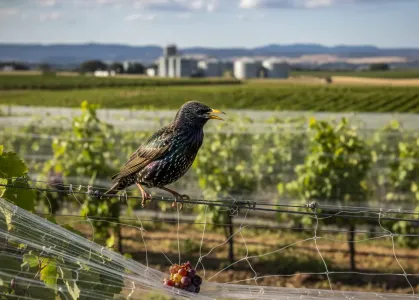
Humane bird control is moving into a new era. Properties today need solutions that protect equipment and safety standards without harming wildlife. As regulations tighten and facility demands grow, technology is shifting toward systems that are intelligent, ethical, and fully data driven. The future of bird control is not about force. It is about precision, automation, and behavior-based deterrence.
Shift Toward Non-Physical Systems
Future systems will rely less on physical barriers and more on sensory guidance. Electrical cues, light patterns, acoustic signals, and electromagnetic fields will play a larger role. These methods keep birds away by influencing behavior rather than blocking access. They suit complex structures, large industrial zones, and modern buildings that require clean visual design.
Rise of Intelligent Monitoring Tools
Modern facilities want evidence that their deterrents are working. This is why intelligent monitoring is becoming a core part of humane bird control. Systems will provide real-time data on performance, coverage, signal strength, and environmental conditions. They will detect issues early and prevent gaps in protection.
Tools like Symterra Pulse represent this next step. They track the electrical health of deterrent lines, detect weak points, and send alerts before problems grow. This creates a preventive model instead of a reactive one.
Automation and Self-Adjusting Deterrent Systems
Automation will define the next generation of deterrents. Future systems will adjust to weather, seasonal patterns, and bird behavior. They will modify signal timing or intensity based on real-time environmental data. This creates consistent effectiveness across different conditions without manual intervention.
Predictive models will guide these adjustments. Data collected over time will help the system understand when birds are most active and where they prefer to land. Facilities will get stronger protection with less effort.
Integration With Smart Building and Facility Systems
As buildings become smarter, bird control will be part of the same network that manages lighting, security, HVAC, and energy. Centralized dashboards will show bird control status alongside other facility systems. Managers will see alerts, performance trends, and recommended actions in one unified interface.
This reduces downtime and streamlines operations, especially for large industrial and commercial properties.
Environmental Compliance as a Core Design Requirement
Regulations around wildlife protection continue to tighten. Future technologies must prove that deterrents are safe for birds, workers, and sensitive equipment. Humane design will be mandatory, not optional.
Systems will document their operation through built-in tracking tools. This creates a record that proves compliance and supports environmental audits.
Scalable Protection for Large and Complex Properties
Industrial zones, airports, solar farms, and logistics hubs need coverage across long distances. Future humane deterrent systems will expand easily without losing signal strength. Centralized monitoring, modular designs, and wireless communication will make this possible.
Real-time diagnostics through tools like Symterra Pulse will help maintain performance across every zone, even in large multi-structure environments.
What Are the Top Electronic Bird Control Systems for Large Buildings in 2025 and 2026?
The top electronic bird control systems for large buildings in 2025 and 2026 are shifting toward non-physical, behavior-based technologies. These include electromagnetic field systems, electrical track deterrents, acoustic signaling, and intelligent light-based systems. Unlike traditional spikes or nets, these solutions influence bird behavior instead of blocking access, making them more effective across large and complex structures. Advanced systems now include real-time monitoring, automated adjustments based on environment and bird activity, and integration with building management platforms for centralized control and visibility
Final Note
The future of humane bird control is intelligent, automated, and fully aligned with environmental standards. Non-physical deterrents will dominate the landscape. Monitoring tools will verify performance. Predictive data will guide behavior-based protection.
This future creates safer properties, cleaner operations, and a responsible approach to wildlife management. And with technologies like Symterra Pulse, facilities gain the accuracy and visibility needed to keep deterrent systems reliable for years.
Frequently Asked Questions
What technologies will replace physical bird deterrents in the future?
Non-physical systems are taking over. Electromagnetic fields, light patterns, acoustic signals, and electrical cues will do the work that spikes, nets, and barriers do today. They suit complex structures and modern facilities that cannot afford visible hardware cluttering their design.
How will intelligent monitoring change bird control for facility managers?
You will stop guessing whether your system is working. Real-time monitoring tools track signal strength, coverage gaps, and system health continuously. You get alerts before problems grow instead of discovering failures after birds return.
Can bird deterrent systems be automated without manual oversight?
Yes. Next-generation systems adjust signal timing and intensity based on weather, season, and bird behavior patterns. Predictive models built from collected data guide those adjustments. You get consistent protection without someone manually tuning the system.
Will bird control integrate with existing building management systems?
That is where the industry is heading. Bird control status will appear on the same dashboard as lighting, HVAC, and security. Facility managers will monitor deterrent performance alongside every other system from one interface.
How do future bird control systems support environmental compliance audits?
Built-in tracking creates a documented record of system operation. That record proves your deterrents ran continuously and within humane parameters. It supports wildlife protection compliance and environmental audits without requiring you to reconstruct anything manually.
What is the best humane bird control solution for large industrial properties?
Scalable systems with centralized monitoring and modular design. Large sites like solar farms, airports, and logistics hubs need coverage across long distances without signal degradation. Tools like Symterra Pulse provide real-time diagnostics across every zone so no section of your property goes unprotected.