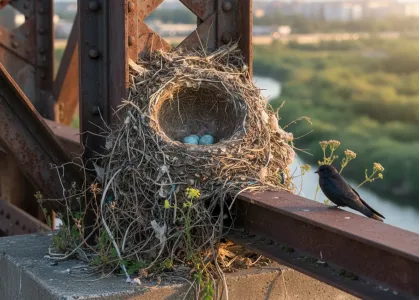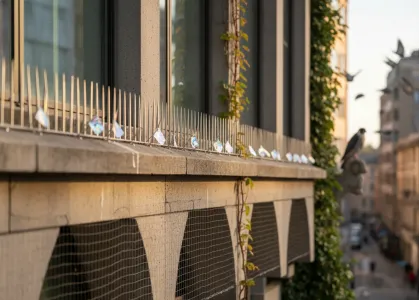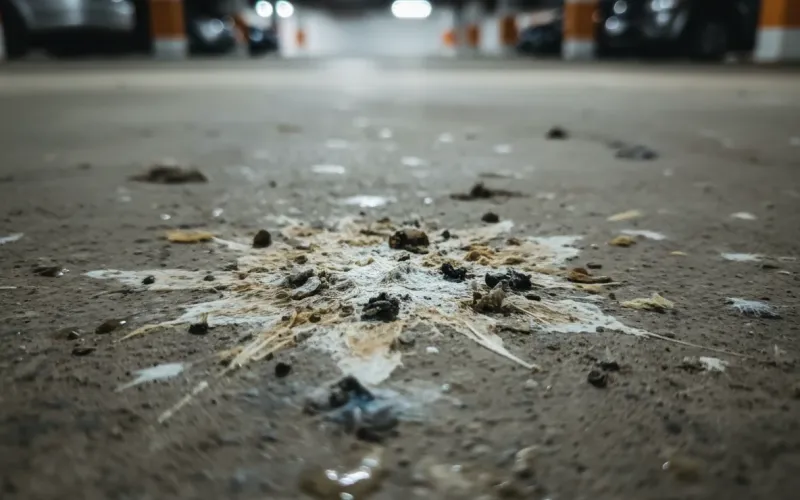
Parking garages are long-life assets designed to withstand constant vehicle load, weather exposure, and daily use. What they are not designed for is ongoing bird activity. When birds repeatedly roost and nest in garages, the impact shows up slowly through maintenance budgets, safety incidents, and structural wear. These issues rarely appear as one-time events. They compound year after year.
Why Parking Garages Become Persistent Bird Sites
Structural Design Favors Roosting
Parking garages feature horizontal beams, exposed ceilings, and sheltered corners. These elements create ideal roosting zones that stay protected from wind and rain.
Predictable Quiet Periods
Garages experience long periods of low activity overnight and during off-peak hours. Birds learn these patterns and use garages as reliable resting sites.
Easy Access With Few Barriers
Open sides and large entry ramps allow birds to enter freely. Once inside, there is little to discourage movement between levels.
How Recurring Bird Activity Affects Maintenance Over Time
Escalating Cleaning Requirements
Droppings accumulate on driving lanes, pedestrian paths, stairwells, and elevators. What starts as occasional cleanup becomes scheduled, repeated labor.
Accelerated Surface Degradation
Bird droppings are acidic. Over time, they damage sealants, concrete coatings, paint, signage, and lighting housings. This shortens the lifespan of finishes and increases repair frequency.
Drainage and Water Management Issues
Nesting debris clogs drains and scuppers. Standing water follows, increasing slip risk and accelerating freeze-thaw and corrosion damage.
Safety and Liability Pressures
Slip and Fall Exposure
Wet droppings reduce traction on ramps and walkways. Even a single incident can trigger claims, investigations, and corrective work.
Fire Risk Near Electrical Infrastructure
Nesting material near lighting fixtures, junction boxes, or conduit adds combustible load to areas that already generate heat.
Vehicle Damage Complaints
Bird droppings stain and etch vehicle finishes. Persistent complaints affect tenant satisfaction and property reputation.
Why Short-Term Fixes Do Not Work in Garages
Birds Relocate Within the Same Structure
Partial deterrence causes birds to move from one level to another instead of leaving the garage entirely.
Static Deterrents Lose Effect
Visual and sound-based tools become predictable. Birds adapt and resume use of preferred zones.
Maintenance Timing Is Always Reactive
Cleanup and nest removal occur after damage appears. By then, birds have already reinforced their behavior.
The Compounding Cost of Inaction
Maintenance Budgets Inflate Quietly
Recurring labor, lift rentals, inspections, and repairs become normalized line items instead of exceptions.
Deferred Repairs Become Capital Projects
Unchecked corrosion and water damage lead to larger restoration work that could have been avoided.
Long-Term Garage Performance Depends on Consistent Deterrence
Recurring bird issues in parking garages are not cosmetic problems. They are long-term maintenance drivers tied to predictable bird behavior and inconsistent deterrence. Solving them requires continuous coverage across every level and beam.
Symterra Pulse supports this approach by monitoring deterrent system performance in real time. It identifies weak zones and faults that allow birds to resettle within garages. With ongoing visibility, facilities reduce repeat maintenance, improve safety outcomes, and protect parking structures as long-term assets.