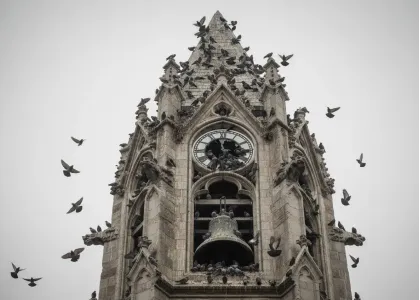
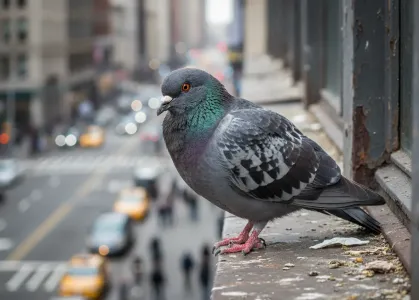
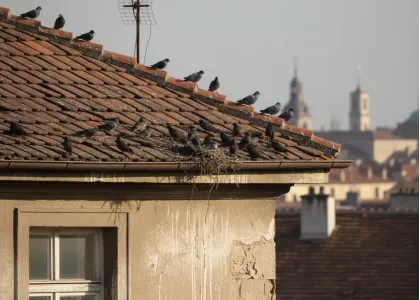
Facility longevity depends on how well a structure withstands continuous use, environmental exposure, and daily wear. Many factors affect this, but bird activity is often overlooked. Over time, roosting and nesting introduce damage that shortens the life of materials, systems, and finishes.
Sustainable bird control supports facility longevity by preventing recurring damage while aligning with environmental and operational standards.
Bird Activity Accelerates Long-Term Wear
Surface Degradation From Droppings
Bird droppings break down coatings, stain surfaces, and weaken protective layers. Repeated exposure leads to faster deterioration of concrete, metal, and painted finishes.
Moisture Retention and Structural Stress
Accumulated droppings and debris trap moisture. This increases corrosion risk and contributes to long-term structural stress.
Nesting Disrupts System Performance
Blocked Drainage Systems
Nesting material clogs drains and gutters. Standing water creates additional stress on structural components and accelerates wear.
Impact on Mechanical and Electrical Systems
Bird activity near HVAC units, lighting, and electrical infrastructure increases contamination, inspection needs, and repair frequency.
Sustainable Control Reduces Repeated Damage
Prevention Limits Exposure
When birds are consistently deterred, surfaces and systems are no longer exposed to constant contamination and debris.
Long-Term Consistency Supports Stability
Sustainable deterrent methods operate continuously, reducing the cycle of damage and repair.
Aligning Bird Control With Sustainability Goals
Reduced Resource Consumption
Less frequent cleaning, repair, and replacement lowers water use, labor, and material consumption.
Ethical and Non-Harmful Approach
Humane deterrence supports environmental responsibility by managing bird activity without harming wildlife.
Longevity Requires Reliable Performance
Gaps Shorten Asset Lifespan
If deterrent systems weaken, birds return and restart the damage cycle.
Monitoring Maintains Long-Term Effectiveness
Continuous awareness of system performance ensures sustained protection over time.
Sustainable Control Extends Facility Life
Sustainable bird control contributes to facility longevity by preventing ongoing damage, reducing maintenance cycles, and supporting environmental responsibility. It shifts focus from repeated repair to continuous protection.
Symterra Pulse supports this approach by providing real-time visibility into deterrent system performance. It helps identify weak zones before bird activity returns and impacts the structure. With verified, consistent deterrence, facilities extend their operational lifespan and maintain long-term stability.