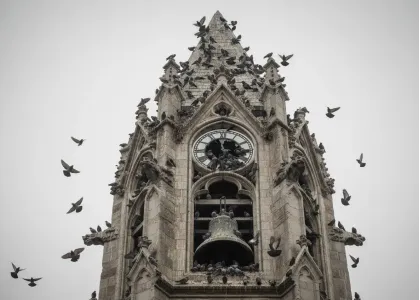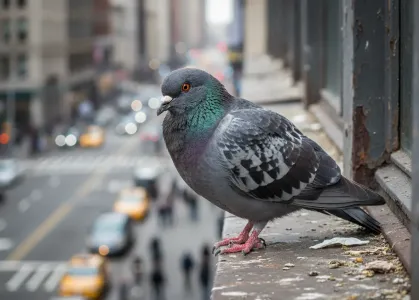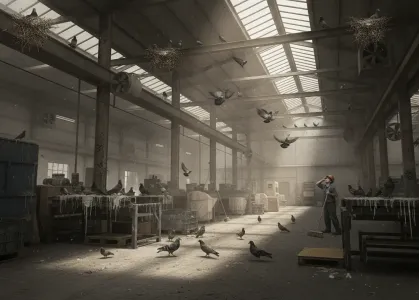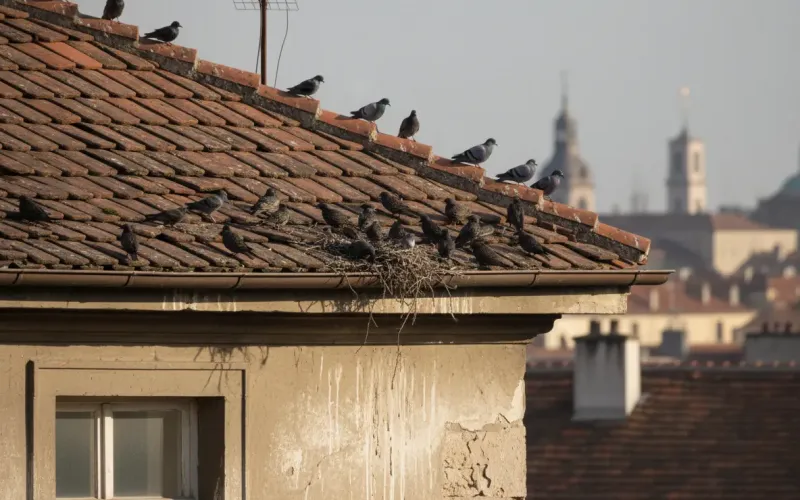
Asset protection is not only about security systems and structural design. It also depends on controlling everyday factors that gradually damage infrastructure. Bird activity is one of those factors. When birds roost and nest on buildings, they introduce ongoing wear, contamination, and operational risk.
Humane bird deterrents support long-term asset protection by preventing these issues without introducing additional maintenance or compliance concerns.
Bird Activity Accelerates Asset Deterioration
Corrosion From Droppings
Bird droppings contain acids that damage coatings, metal surfaces, and concrete over time. Repeated exposure shortens the lifespan of structural and mechanical components.
Nesting Debris Damages Systems
Twigs, feathers, and debris accumulate around drains, HVAC units, and electrical systems. This buildup interferes with performance and increases maintenance needs.
Traditional Responses Do Not Protect Assets
Cleaning Addresses Surface Conditions
Washing droppings removes visible damage but does not prevent future exposure.
Temporary Fixes Allow Repetition
If birds continue to return, deterioration continues. Asset protection requires stopping the behavior, not repeating cleanup.
Humane Deterrence Prevents Recurring Damage
Stops Roosting and Nesting at the Source
When birds cannot land comfortably, they do not establish long-term presence. This reduces ongoing exposure to droppings and debris.
Consistent Coverage Protects All Surfaces
Effective deterrence ensures that high-risk zones such as rooftops, ledges, parking structures, and equipment areas remain protected.
Long-Term Protection Supports Asset Value
Reduced Maintenance and Repair Costs
Fewer recurring issues mean less frequent cleaning, repair, and component replacement.
Extended Lifespan of Materials and Systems
Structures maintain integrity longer when not exposed to continuous bird-related damage.
Stable Performance Over Time
Facilities operate more efficiently when mechanical and structural systems are not affected by nesting or contamination.
Asset Protection Requires Continuous Performance
Prevention Must Be Reliable
Deterrent systems must remain active across all zones. Gaps allow birds to return and restart the damage cycle.
Visibility Ensures Ongoing Protection
Knowing when systems weaken prevents small issues from becoming long-term asset risks.
Long-Term Protection Comes From Consistent Prevention
Humane bird deterrents support long-term asset protection by preventing the conditions that lead to structural damage, system interference, and recurring maintenance costs. Instead of reacting to deterioration, facilities reduce exposure at the source.
Symterra Pulse supports asset protection by providing real-time visibility into deterrent system performance. It identifies weak zones and system faults before birds reestablish activity. With verified deterrence in place, facilities maintain consistent protection and preserve asset value over time.