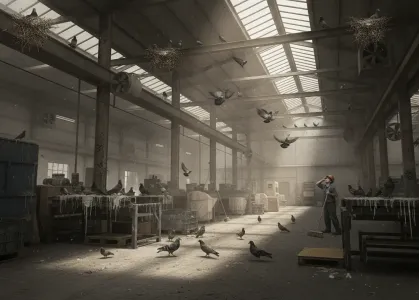
Annual maintenance planning is supposed to be predictable. Labor hours, cleaning schedules, inspections, and repairs are forecasted months in advance. Bird issues disrupt that predictability. When bird control is reactive, it forces facilities to constantly revise plans, reassign crews, and absorb unplanned costs. Long-term bird control changes that equation.
Reactive Bird Issues Break Maintenance Forecasts
Unplanned Cleanup Becomes Routine
Bird droppings, nests, and debris trigger emergency cleaning. These tasks are rarely budgeted accurately because they depend on when birds return, not when crews are scheduled.
Labor Gets Pulled From Priority Work
When bird issues spike, maintenance teams shift focus away from preventive tasks. This delays inspections, repairs, and asset preservation work.
Long-Term Bird Control Stabilizes Workloads
Fewer Emergency Tasks
When birds are prevented from settling, cleanup and nest removal drop sharply. Maintenance work becomes planned instead of reactive.
Predictable Scheduling
Crews follow established routines rather than responding to surprise issues. This improves efficiency and reduces overtime.
Budget Planning Becomes More Accurate
Reduced Variable Costs
Recurring expenses such as lift rentals, specialized cleaning, and emergency repairs decline when birds no longer return.
Clear Separation Between Maintenance and Prevention
Bird control shifts out of the maintenance budget and into infrastructure planning. This makes year-over-year forecasting more reliable.
Less Wear Means Fewer Repairs
Slower Surface Degradation
Without constant droppings and nesting debris, coatings, concrete, lighting, and signage last longer.
Fewer Drainage and Water Issues
Preventing nesting reduces clogged drains and standing water, lowering repair frequency and inspection findings.
Maintenance Planning Gains Flexibility
Teams Focus on Asset Preservation
Instead of chasing recurring bird issues, maintenance staff can prioritize lifecycle-based work such as sealant renewal, corrosion prevention, and system upgrades.
Fewer Last-Minute Adjustments
Annual plans remain intact throughout the year, reducing stress on managers and contractors.
Predictable Maintenance Starts With Verified Prevention
Long-term bird control reduces annual maintenance planning because it removes uncertainty. When birds stop returning, cleanup, repairs, and safety risks stop reappearing on the schedule.
Symterra Pulse supports this outcome by providing real-time visibility into deterrent system performance. It identifies weak zones and system issues before birds return and disrupt maintenance plans. With verified deterrence in place, facilities shift from reactive adjustments to stable, predictable annual planning.