Quick Answer
What is bird abatement?
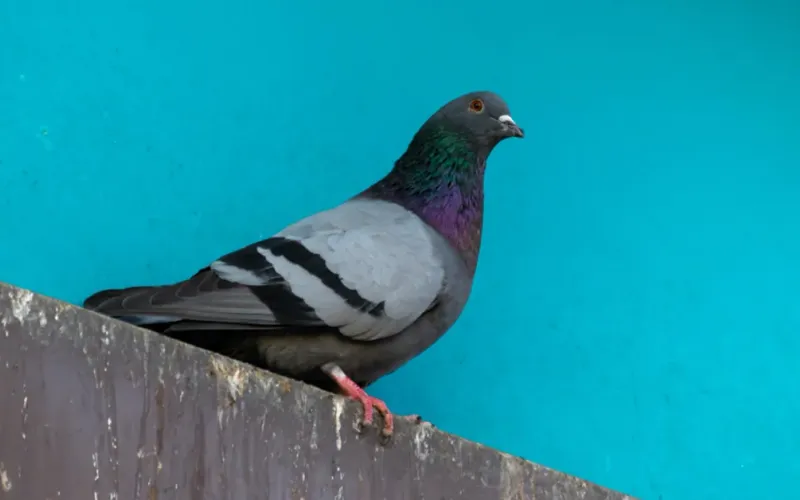
Bird abatement is the process of reducing bird problems through prevention, deterrence, exclusion, cleanup planning, and habitat modification. Instead of relying on harmful control methods, modern bird abatement uses non-lethal and behavior-based strategies to make buildings, rooftops, ledges, equipment areas, and outdoor spaces less attractive for landing, roosting, and nesting.
Table of Contents
- Quick Answer
- What Is Bird Abatement and Why Does It Matter for Facility Managers?
- What Makes Electromagnetic Bird Deterrence Different From Physical Barriers?
- Why Do Most Bird Abatement Methods Fail Within 12 Months?
- Why Choose Symterra Bird Abatement Over More Extreme Measures?
- Conclusion
- Frequently Asked Questions
Bird problems rarely stop after one cleanup. When birds keep returning to rooftops, ledges, signs, loading docks, warehouses, solar arrays, or outdoor equipment, the issue becomes recurring bird pressure rather than a one-time nuisance.
Bird droppings, nesting debris, clogged drains, slip hazards, odor, contamination concerns, and property damage can increase cleanup costs and create long-term facility risk. If the site still offers food, shelter, warmth, nesting access, or safe landing areas, birds often return after removal or cleaning.
Bird abatement helps commercial properties reduce bird activity by changing the conditions that make the site attractive. A strong bird abatement plan uses non-lethal, behavior-based methods to reduce landing, roosting, nesting, and repeat site loyalty. For sites with repeat landing and roosting activity, Symterra Pulse can support long-term bird abatement by helping reduce the conditions that allow birds to settle.
Bird Abatement vs Bird Removal vs Bird Deterrents
| Method | Main Goal | How It Works | Best For | Limitation |
|---|---|---|---|---|
| Bird abatement | Manage bird problems with non-lethal methods | Uses prevention, exclusion, cleanup, and deterrent planning | Long-term property protection | Needs the right strategy for the site |
| Bird removal | Remove birds from an active problem area | Physically removes birds, nests, or materials when allowed | Immediate cleanup or urgent situations | Birds may return if the area still feels safe |
| Bird deterrents | Stop birds from landing or settling | Makes key areas less attractive for roosting and nesting | Preventing repeat bird activity | Weak systems fail when birds adapt |
| Symterra non-lethal deterrent system | Reduce recurring bird pressure without harm | Uses electromagnetic bird deterrent technology to discourage landing and roosting | Commercial properties with recurring bird issues | Works best after site review and proper placement |
What Is Bird Abatement and Why Does It Matter for Facility Managers?
This is where bird abatement comes in. Bird abatement is the process of safely deterring birds from areas where they cause damage, mess, or safety risks without harming them. It focuses on changing bird behavior rather than removing or injuring birds.
Bird Abatement Methods Compared
| Bird abatement method | How it works | Best use case | Limitation |
|---|---|---|---|
| Behavior-based deterrents | Make the site feel unreliable for landing, roosting, or nesting | Commercial properties with recurring bird pressure | Requires proper site assessment and placement |
| Physical barriers | Blocks access to ledges, beams, roof edges, vents, or nesting areas | Specific access points or narrow problem zones | Can require maintenance and may shift birds to nearby areas |
| Cleanup and sanitation | Removes droppings, nesting debris, food waste, and contamination | Sites with visible buildup or odor concerns | Does not stop birds from returning by itself |
| Habitat modification | Reduces food, water, shelter, and nesting access | Facilities with repeat attraction points | Needs consistent inspection and maintenance |
| Visual or sound deterrents | Creates temporary discomfort or uncertainty | Short-term pressure reduction in open areas | Birds often adapt when the threat is predictable |
| Electromagnetic deterrent systems | Discourages birds from settling in protected zones | Large commercial sites, signs, rooftops, towers, and facility structures | Works best when matched to bird behavior and building layout |
What Makes Electromagnetic Bird Deterrence Different From Physical Barriers?
The goal of bird abatement is to prevent conflicts between humans and birds in environments like airports, warehouses, farms, rooftops, and solar installations. By using techniques such as physical barriers, sound and visual deterrents, habitat modification, and advanced electromagnetic systems like Symterra, property owners can protect structures and equipment while preserving wildlife health and balance.
In simple terms, bird abatement means keeping birds away from problem areas in a safe, sustainable, and ethical way so both people and birds can coexist peacefully.
Why Do Most Bird Abatement Methods Fail Within 12 Months?
Bird abatement involves a variety of techniques and strategies that are tailored to specific bird species and the types of problems they cause. Some of the most common bird abatement techniques include:
Physical barriers: Installing bird spikes, bird nets, and bird wire helps prevent birds from landing or nesting on ledges, balconies, and other problem areas. These barriers discourage birds without harming them and help keep protected areas cleaner and safer.
Visual and auditory deterrents: Using visual deterrents such as predator decoys, flash tape, and scarecrows, or auditory deterrents such as bird distress calls, can effectively scare birds away from areas where they are not wanted. These deterrents work by creating an environment that is hostile to birds and making them feel uncomfortable or threatened.
Habitat modification: Altering the environment to make it less attractive to birds can also be an effective way of controlling bird populations. This can be done by removing food sources, such as bird feeders, and planting vegetation that birds do not like.
Repellents: Using chemical or natural bird repellents can also be an effective way of keeping birds away from areas where they are not wanted. These repellents work by making birds feel uncomfortable or by altering the taste or smell of surfaces, making them unattractive to birds.
Electromagnetism: Migratory and territorial birds utilize an internal GPS system connected to a protein production in their eyes that allows them to “see” directionally through earth’s latitudinal and longitudinal gridlines.
Symterra affects this process, creating an Electromagnetic “force field” around any structure that causes birds to simply find it impossible to land.
Why choose Symterra bird abatement over more extreme measures?
While there are more extreme measures that can be taken to control bird populations, such as trapping, poisoning, or killing birds, these methods are cruel, unethical, and often ineffective. They can also have negative impacts on bird populations and the environment, leading to a decline in bird numbers and even extinction in some cases.
Symterra bird abatement is an effective, non-lethal solution that respects birds and the environment. It uses deterrent methods to keep birds away from areas where they create damage, mess, or safety risks, while allowing them to remain unharmed in their natural habitats.
Conclusion
Symterra Pulse is an effective, non-lethal solution for bird-related property problems. Using electromagnetic technology, Symterra helps protect buildings and outdoor areas while avoiding harmful control methods. Whether you are dealing with recurring bird activity at a home, office, or commercial property, Symterra provides a safe, effective, and responsible solution.
Need a Bird Abatement Plan That Stops Repeat Problems?
Symterra helps commercial properties reduce recurring bird pressure with non-lethal, behavior-based deterrent strategies designed around site layout, bird activity, and long-term property protection.
Request a Bird Abatement AssessmentFrequently Asked Questions
What is non-lethal bird control?
Non-lethal bird control focuses on deterring birds without harming them. It uses methods that change bird behavior instead of trapping, poisoning, or killing. This approach helps protect both property and wildlife.
Why is responsible bird control important?
Responsible bird control reduces risk while staying aligned with environmental and ethical standards. Harmful methods can create legal issues and damage public perception. A non-lethal approach solves the problem without creating new ones.
What is bird abatement and why does it matter?
Bird abatement is the process of preventing birds from causing damage, contamination, or safety risks. It matters because birds can affect buildings, equipment, and even human health. Effective abatement protects operations while maintaining environmental balance.
Why do traditional bird control methods fail over time?
Traditional methods often rely on fear, discomfort, or physical blocking. Birds learn and adapt quickly when they realize there is no real threat. Once that happens, the deterrent loses effectiveness.