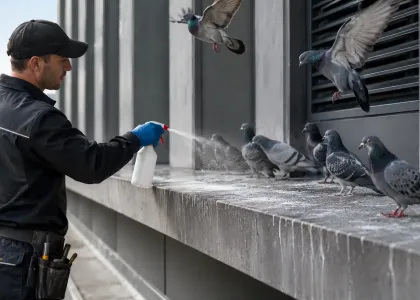
Bird droppings are more than an aesthetic issue. On commercial and industrial properties, they create serious slip hazards that put employees, visitors, and operations at risk. Wet, uneven, and often unnoticed, bird droppings increase the likelihood of falls, injuries, and liability claims. Understanding how these hazards form helps facilities prevent accidents before they happen.
Quick Answer
Why are bird droppings a serious slip hazard?
Bird droppings become slippery when wet and create hidden fall risks on walkways, stairs, ramps, loading docks, and rooftops. On commercial properties, this increases liability, injury risk, and maintenance costs. The risk continues unless bird activity is controlled at the source.
SLIP RISK + COST TABLE (CONVERSION BOOST)
| Hazard area | Risk created | Business impact |
|---|---|---|
| Walkways | Slipping accidents | Injury liability claims |
| Loading docks | Wet droppings buildup | Worker safety risk |
| Rooftops | Hidden contamination | Maintenance hazards |
| Stairs | Reduced traction | Fall incidents |
| Parking garages | Spread across levels | Ongoing cleanup cost |
Why Bird Droppings Create Dangerous Slip Hazards
See how Symterra Pulse reduces recurring droppings and slip risks by controlling bird behavior at the source.
Wet Bird Droppings Reduce Surface Traction
Bird droppings become slick when wet. On concrete, tile, metal, or painted surfaces, they reduce traction and make walking surfaces unpredictable.
Bird Droppings Are Difficult to Spot Before a Fall
Droppings often blend into flooring or pavement. Poor lighting, shadows, or high foot traffic make them difficult to spot before someone steps on them.
Related exposure risks are explained in health risks from bird droppings.
High-Risk Areas for Bird Dropping Slip Hazards
Entrances and Walkways With Heavy Foot Traffic
Birds perch above doors and walk paths. Droppings fall directly onto areas with heavy pedestrian traffic.
Bird activity is common in commercial facilities with high foot traffic entry zones.
Loading Docks and Ramps With High Slip Risk
Loading zones combine moisture, vehicle movement, and uneven surfaces. Droppings in these areas increase the risk of slips for drivers and dock workers.
Slip hazards often overlap with contamination risks in food and production facilities.
Stairways and Elevated Platforms Exposed to Bird Droppings
Birds roost above stair rails, beams, and ledges. Droppings on steps or landings create especially dangerous conditions.
Rooftops and Maintenance Walkways
Maintenance staff face elevated risk when droppings accumulate on roof surfaces, especially near drains and equipment.
Rooftop bird pressure can be reduced using behavior-based bird deterrents.
Business Risks of Bird Dropping Slip Hazard
Employee Injuries and Loss Productivity
Falls caused by slipping can result in sprains, fractures, and lost work time. Repeated incidents impact morale and productivity.
Liability, OSHA Compliance, and Legal Risks
Slip incidents increase the risk of legal claims and safety violations. Facilities may face citations if hazards are not addressed.
Operational Downtime and Emergency Cleanup Costs
Accidents often lead to shutdowns, investigations, and emergency cleanups that disrupt daily operations.
Reduce Slip Hazards Before Accidents Happen
Bird droppings create ongoing safety risks. Symterra can assess your site and design a long-term bird control plan.Request a Site Assessment
How to Prevent Slip Hazards From Bird Droppings
Perform Routine Cleaning and Structure Inspection
Regular cleaning removes droppings before they accumulate. Inspections help identify problem zones early.
Improve Drainage, Lighting, and Hazard Visibility
Proper drainage prevents moisture buildup. Better lighting improves visibility and reduces surprise hazards.
Install Long-Term Bird Deterrent Systems
Preventing birds from roosting above walkways stops droppings at the source. This is more effective than repeated cleanup.
Contact Symterra to reduce bird-related slip hazards in your facility.
Reduce Bird Dropping Slip Hazards With Continuous Deterrent Monitoring
Cleaning helps, but it does not stop droppings from returning. Long-term slip hazard prevention depends on keeping birds away from high-traffic areas at all times.
Symterra Pulse supports this by monitoring electrical bird deterrent systems in real time. It detects weak zones, voltage drops, and system faults before birds return. With continuous monitoring, facilities maintain active deterrent coverage and reduce slip hazards caused by bird droppings.
Frequently Asked Questions
Why are bird droppings a slip hazard?
Because they become slippery when wet and reduce traction on walkways.
Where do slip hazards occur most often?
Walkways, stairs, loading docks, rooftops, and parking areas.
Does cleanup solve slip hazards?
No. Birds return unless deterrence is applied.
How can businesses reduce slip risks?
By combining cleanup with long-term bird deterrent systems.
What is the best long-term solution?
Behavior-based bird control that prevents birds from roosting above walkways.