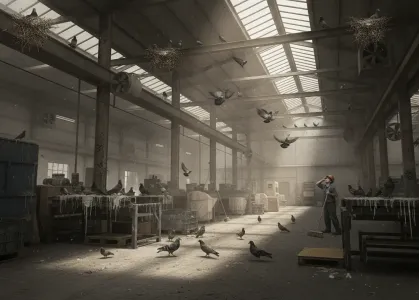
Bird nesting is often treated as a minor operational issue. In reality, it is a long-term cost driver for infrastructure owners. Nests form quietly, spread across structures, and trigger recurring expenses that compound year after year. When nesting becomes established, maintenance budgets absorb the impact long after the birds are gone.
Bird Nesting Creates Ongoing Cleanup Expenses
Repeated Nest Removal
Birds rebuild nests quickly. Removing one nest rarely solves the problem. Crews return multiple times per year to the same locations, increasing labor hours and equipment use.
Constant Dropping Cleanup
Active nests mean concentrated droppings below roosting areas. Walkways, platforms, and access paths require frequent cleaning to stay usable and compliant.
Nesting Accelerates Wear on Structures
Corrosion From Droppings
Bird droppings are acidic. Over time, they damage concrete coatings, steel beams, handrails, signage, and lighting fixtures. Repairs that should occur on long intervals become recurring tasks.
Blocked Drainage Systems
Nesting material clogs drains, gutters, and scuppers. Standing water follows, leading to leaks, freeze-thaw damage, and premature surface deterioration.
Increased Maintenance Around Critical Systems
HVAC and Mechanical Equipment
Birds nest near warm mechanical units. Debris restricts airflow, contaminates components, and forces early filter replacement and system cleaning.
Electrical Infrastructure
Nesting material near lighting, conduit, and junction boxes increases inspection frequency and repair work due to fire risk and debris buildup.
Safety-Driven Costs Add Up
Slip and Fall Prevention
Droppings on ramps, stairs, and walkways create slip hazards. Facilities increase cleaning frequency and signage to reduce exposure.
Emergency Response and Incident Reviews
Bird-related incidents trigger investigations, reports, and corrective actions. These indirect costs often exceed the cleanup itself.
Why Nesting Turns Into a Budget Multiplier
Problems Recur Instead of Resolving
Without prevention, nesting repeats every season. Each cycle adds labor, equipment rental, and contractor time to the maintenance budget.
Deferred Repairs Become Capital Work
Small corrosion issues and drainage problems grow into larger restoration projects when nesting continues unchecked.
Preventive Control Changes the Cost Curve
Fewer Reactive Work Orders
Stopping nesting reduces emergency cleanup and unplanned inspections.
Longer Asset Lifespan
Surfaces, equipment, and systems last longer when they are not constantly exposed to droppings and debris.
Controlling Nesting Is a Cost Strategy, Not a Cleanup Task
Bird nesting increases maintenance costs because it creates repeat work, accelerates wear, and raises safety exposure. The expense is rarely obvious in a single line item. It appears gradually across labor, repairs, inspections, and capital planning.
Symterra Pulse supports long-term cost control by providing real-time visibility into deterrent system performance. It identifies weak zones and system failures before birds reestablish nests. With verified prevention in place, infrastructure owners reduce recurring maintenance costs and protect assets over their full lifecycle.