Table of Contents
- Quick Answer
- 1. Spring Nesting Season: Act Before Birds Settle In
- 2. Summer Feeding Season: Remove Food and Break the Pattern
- 3. Fall Migration: Stop Roosting Before Flocks Multiply
- 4. Winter Shelter Season: Block Warm Hiding Spots Early
- Why One Deterrent Method Won’t Work All Year
- The Science Behind Why Birds Return to the Same Property Each Season
- Year-Round Bird Control: Use Layered Protection
- Symterra Pulse: Smart Protection Through Every Season
Seasonal bird behavior affects when, where, and why birds create problems on commercial properties. Nesting pressure often increases in spring, feeding activity grows during summer, flocking becomes more visible in fall, and shelter-seeking behavior can intensify during winter.
For facility managers, this means bird control should not be treated as a one-time reaction. A rooftop, warehouse, loading dock, sign, parking structure, or equipment area that attracts birds in one season may become a recurring problem if the site is not addressed before peak activity begins.
Planning deterrents around seasonal bird activity helps reduce cleanup costs, droppings, nesting debris, blocked access points, maintenance disruptions, and long-term property risk.
For properties that experience repeat seasonal landing or roosting pressure, Symterra Pulse can help support year-round deterrence.
Quick Answer
How does seasonal bird behavior affect deterrent planning?
Seasonal bird behavior affects deterrent planning because birds change their priorities throughout the year. Spring brings nesting pressure, summer increases feeding and water-seeking, fall creates flocking and roosting activity, and winter drives birds toward warm shelter. Facilities get better results when deterrents are planned before each peak activity season.
Seasonal Bird Control Timeline
Seasonal Bird Behavior and Deterrent Strategy Table
| Season | Bird behavior | Facility risk | Deterrent planning focus |
|---|---|---|---|
| Spring | Nesting, territory selection, and return to familiar sites | Nests in vents, rooflines, beams, ledges, signs, and equipment zones | Inspect nesting areas early and block access before birds settle |
| Summer | Feeding, water-seeking, repeat landing, and juvenile bird activity | Droppings, odor, contamination concerns, and high cleanup costs | Remove food and water sources and protect high-traffic areas |
| Fall | Flocking, migration staging, and group roosting | Large bird groups on rooftops, signs, docks, parking areas, and open structures | Prevent flock buildup before birds claim the site as a seasonal rest point |
| Winter | Shelter-seeking, warmth-seeking, and protected roosting | Birds moving into roof cavities, covered areas, warehouse ceilings, and equipment spaces | Seal sheltered access points and protect warm structural areas before cold weather |
| Year-round | Site loyalty and return behavior | Recurring bird pressure after cleanup or short-term deterrents | Use behavior-based deterrents that make the site unreliable across seasons |
1. Spring Nesting Season: Act Before Birds Settle In
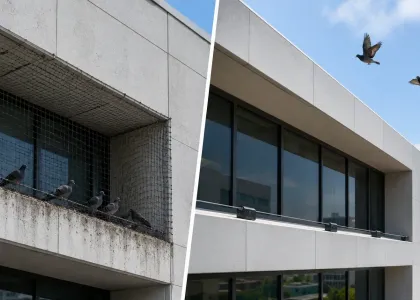
Spring marks the peak of bird nesting behavior. During this period, birds are actively looking for safe, sheltered spaces to raise their young. Roof eaves, beams, vents, and covered porches become attractive nesting sites.
Bird Deterrent Tips for Spring
- Remove existing nests before nesting season begins.
- Block nesting areas using bird netting or mesh barriers.
- Install bird spikes along ledges and beams to prevent roosting.
- Use predator decoys or visual deterrents like reflective ornaments to discourage nesting.
Once birds have eggs or hatchlings, removal can become restricted by wildlife laws, so early prevention is critical.
2. Summer Feeding Season: Remove Food and Break the Pattern
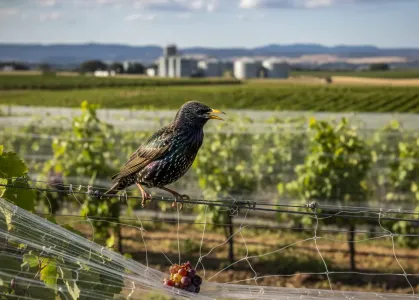
In summer, many species shift from nesting to feeding. Open areas like loading docks, patios, and rooftops become feeding grounds as birds search for food and water.
Bird Deterrent Tips for Summer
- Clear away food scraps and avoid leaving pet food outdoors.
- Maintain patio cleanliness to reduce attraction.
- Use repellent sprays or Avian Block bird repellent pouches to deter them safely.
- Add wind chimes or motion activated lights to keep them startled and alert.
Warm weather can also increase droppings and odor buildup, so consistent patio maintenance during this season makes a big difference.
3. Fall Migration: Stop Roosting Before Flocks Multiply
Fall brings cooler temperatures and preparation for migration. Migratory bird species form larger flocks and seek staging areas to rest or feed before traveling. These temporary roosting groups can cause heavy contamination in a short time.
Bird Deterrent Tips for Fall
- Use sound deterrents or visual deterrents like shiny objects and aluminum foil to create an unstable environment.
- Rotate decoys to prevent birds from becoming accustomed to them.
- Apply bird repellent or install bird spikes in high-traffic resting areas.
- Continue monitoring new nesting attempts in sheltered corners.
Proactive fall deterrence prevents large flocks from adopting your property as a seasonal rest stop.
4. Winter Shelter Season: Block Warm Hiding Spots Early
In winter, birds search for warmth and protection. Covered porches, roof cavities, and warehouse ceilings become ideal shelters. While the number of birds may seem lower, their persistence often increases.
Bird Deterrent Tips for Winter
- Enclose the porch or use bird netting to block entry points.
- Add baking soda or non-toxic repellents on ledges to discourage roosting.
- Use motion activated lights to disrupt birds seeking nighttime shelter.
- Avoid feeding wild birds near your building since food availability is lower in winter.
Regular inspection during colder months helps prevent small groups from becoming long-term indoor flocks.
Why One Deterrent Method Won’t Work All Year
Birds don’t behave the same way in every season, which means no single deterrent can stay effective year-round. A method that works in spring may fail completely in fall because the motivation behind the behavior changes.
- Spring birds want nesting security. They’ll ignore deterrents that don’t block physical access.
- Summer birds want food. They’ll return unless the environment feels unpredictable or unattractive.
- Fall birds want group safety. They overwhelm weak deterrents quickly.
- Winter birds want warmth. They’ll persist unless shelters are sealed.
Because each season activates a different instinct, your strategy must shift with the behavior you’re trying to interrupt. The goal is not to scare birds once, but to make your property the wrong choice in every season.
Seasonal patterns become predictable, and so should your control plan. A year-round deterrent like Symterra Pulse removes the need to adjust tactics because it disrupts behavior consistently, no matter the season. For facilities that want fewer recurring bird issues, permanent bird prevention starts with identifying why birds return and planning deterrents before activity peaks.
The Science Behind Why Birds Return to the Same Property Each Season
Birds exhibit a behavior called site fidelity, the instinct to return to successful nesting, feeding, and roosting sites year after year.
This means:
- If birds nest on your building in spring, they’ll likely be back next spring.
- Young birds return to the same place where they fledged.
- Seasonal feeding sites become multi-generational hotspots.
This is why “chasing birds away” with DIY devices never works long-term: you’re interrupting behavior, not eliminating the instinct.
Symterra Pulse disrupts that instinctive loyalty by creating an environment birds cannot settle into, season after season.
Year-Round Bird Control: Use Layered Protection
Bird behavior evolves throughout the year, which means your deterrent plan should too. A single method, such as spikes or decoys, may work temporarily but lose effectiveness if not adjusted with the seasons. Combining physical barriers, visual deterrents, sound devices, and environmental control provides stronger and longer-lasting results. A complete bird deterrent system should account for seasonal behavior, site layout, species pressure, and high-risk facility areas.
Symterra Pulse: Smart Protection Through Every Seasons
While traditional deterrents can help manage seasonal bird problems, they often require frequent adjustments and reinstallation.
Symterra Pulse provides a lasting, maintenance-free solution that adapts year-round. Using advanced electromagnetic signals, Pulse keeps birds away safely and effectively, no matter the season. No chemicals, no mess, and no reinstallation required.
If you are tired of chasing seasonal bird problems, it is time to think smarter.
Plan Bird Control Before Peak Activity Season
Seasonal bird problems are easier to prevent before birds nest, flock, roost, or return. Symterra helps facilities plan non-lethal, behavior-based bird deterrent strategies around seasonal activity patterns and property risk.
Plan Your Bird Control StrategyRelated Seasonal Bird Control Articles
- Why Birds Nest on Commercial Buildings
- Why Bird Problems Come Back After Cleanup
- Why Static Bird Deterrents Lose Effectiveness
- Recurring Bird Issues in Parking Garages
Frequently Asked Questions
Why won’t one bird deterrent work all year?
A single deterrent does not work year-round because it targets only one type of behavior. What stops nesting in spring may not affect feeding or roosting in other seasons. Birds respond to different triggers depending on the time of year.
What happens during spring nesting season?
During spring, birds search for safe and sheltered areas to build nests. Roof edges, vents, and covered structures become prime locations. Once nesting begins, removal becomes more difficult due to wildlife protection rules.
How can you prevent birds from nesting in spring?
Preventing nesting requires early action before birds settle. This includes blocking access points and removing existing nests. Once birds establish a nest, they are more likely to return.